
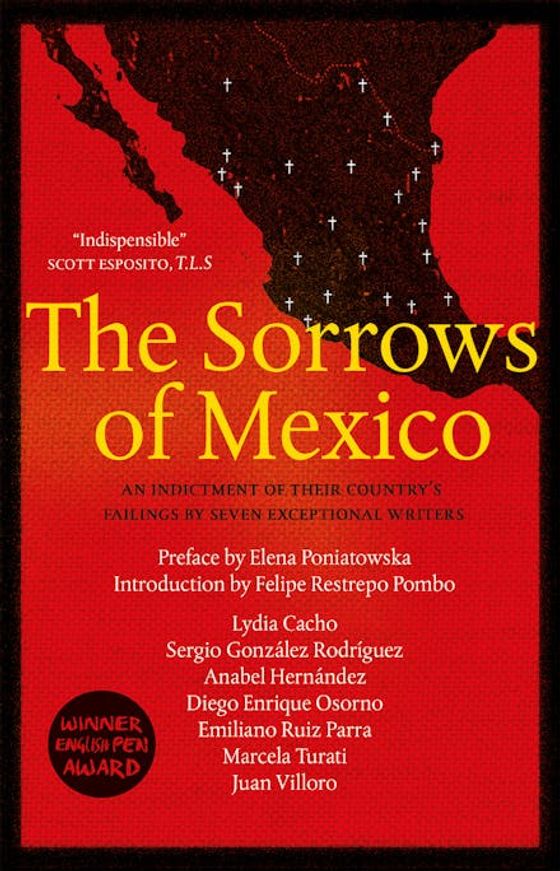
The Sorrows of Mexico
by Various
Eight journalists on Mexico. The truth, unfiltered.
For you if
you want Mexico reported from inside by the people risking their lives to do it
⚡ Choose Your Route ⚡
Not sold directly on this site. Support indie bookstores with a new copy, or go sustainable with a used one.
Buy New on Bookshop.orgSupports independent bookstores
— OR —
Find Used on Better World BooksSecondhand & sustainable
$19 MSRP
Reference price shown. Other editions may be available.
Eight of Mexico's most important journalists — some of whom received death threats for their work — writing about corruption, migration, the drug war, femicide, and the state's complicity in all of it. Dispatches in the most literal sense: reports filed from inside a country under siege by its own institutions. The most dangerous book on this shelf to have written.
Where This Book Lives
- Setting
- Mexico • Latin America
- Voice
- Written by a Mexican author
- Topics
- war on drugs
Related Viewing
Shares a topic, theme, or setting with this book in the catalog.
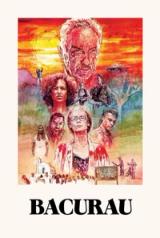
Bacurau(2019)
dir. Kleber Mendonça Filho & Juliano Dornelles
A town disappears from the map. Then the hunt begins.
Days after burying its matriarch, a small town in Brazil's rural sertão vanishes from every map, its water supply is cut, and a group of wealthy foreign mercenaries arrives to hunt its residents for sport — only to discover Bacurau has no intention of dying quietly.
Why it’s here: Punk in turning class rage into genre carnage — a marginalized town doesn't wait for institutions to save it, it arms itself and fights back on its own terms. Pedagogical in showing how disappearing a place from official maps is itself a form of violence, before a single shot is fired.
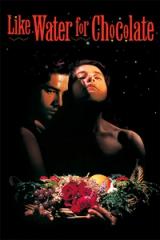
Like Water for Chocolate(1992)
dir. Alfonso Arau
Forbidden love, served through food.
In early-1900s Mexico, Tita is forbidden by family tradition from marrying the man she loves, so she pours her longing into the food she cooks — food that carries her emotions, sometimes literally, into everyone who eats it. Adapted from Laura Esquivel's novel.
Why it’s here: Punk in making a kitchen the site of rebellion — Tita's cooking becomes the one language her mother can't control or silence. Pedagogical in showing how inherited "duty" polices women's desire generation after generation, and what it costs to break that chain.
Same event, different angle
The same history — told by someone who saw it differently.
The New Jim Crow
Michelle Alexander
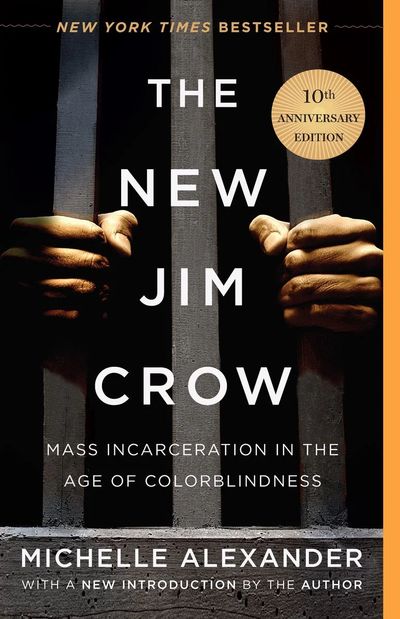
Mass incarceration is Jim Crow by another name. Here's the evidence.
✦ READ – REFLECT → RESIST
Killing the Black Body
Dorothy Roberts

Reproductive control as racial weapon
✦ READ – REFLECT → RESIST
El Narco
Ioan Grillo
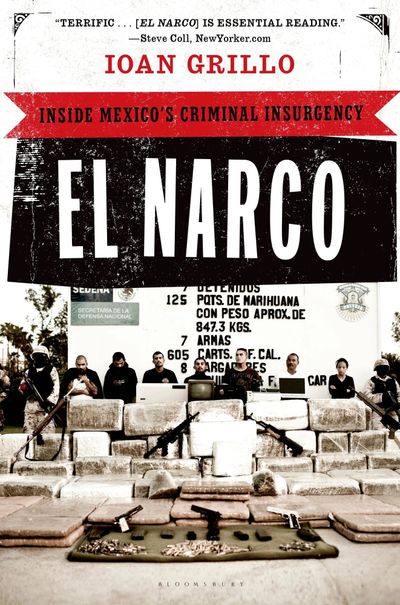
The drug war by someone who stayed long enough.
✦ READ – REFLECT → RESIST
Same pattern, different era
Different time, different place. The same thing keeps happening.
Catch and Kill: Lies, Spies, and a Conspiracy to Protect Predators
Ronan Farrow
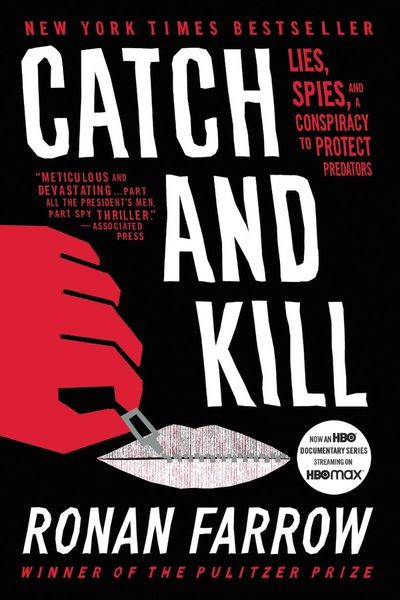
He had the story. NBC killed it.
✦ READ – REFLECT → RESIST
Xala
Ousmane Sembène

Cursed on his wedding night. The cure is everything.
✦ READ – REFLECT → RESIST
A Brief History of Seven Killings
Marlon James
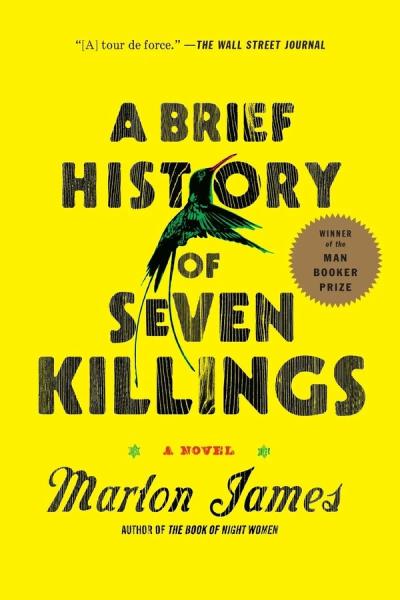
The night someone tried to kill Bob Marley.
✦ READ – REFLECT → RESIST
Devil on the Cross
Ngũgĩ wa Thiong'o
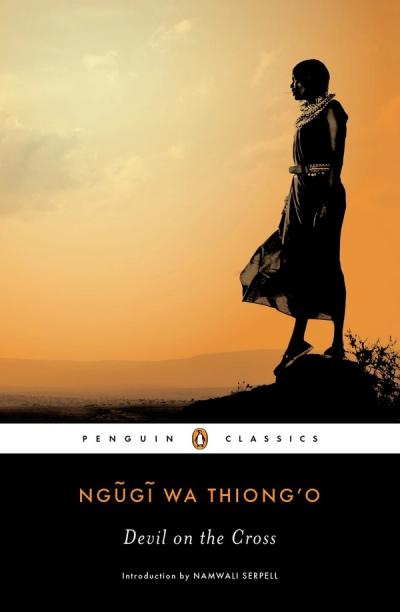
Written on toilet paper in prison. In Gĩkũyũ. Banned in Kenya.
✦ READ – REFLECT → RESIST
Flip the lens
Same country. Now hear it from the other side.
Prayers for the Stolen
Jennifer Clement
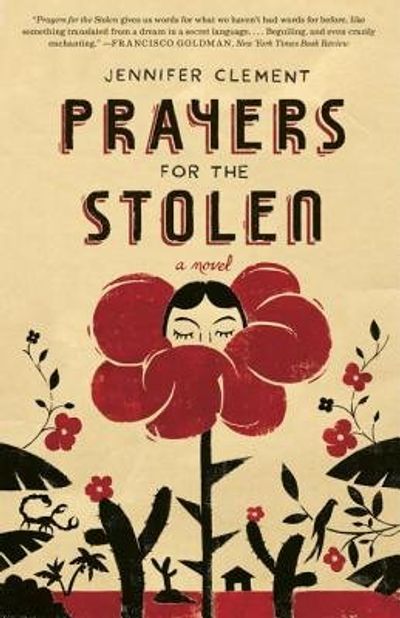
Girls raised to disappear before the cartel finds them.
✦ READ – REFLECT → RESIST
The Daughters of Juárez
Teresa Rodríguez
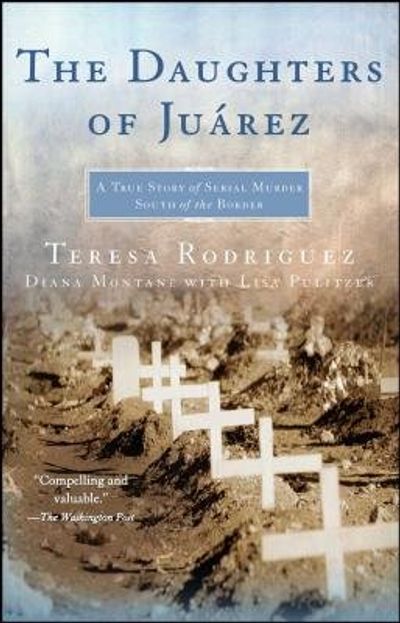
Mothers refusing to let their daughters be statistics.
✦ READ – REFLECT → RESIST
My Mexico
Diana Kennedy
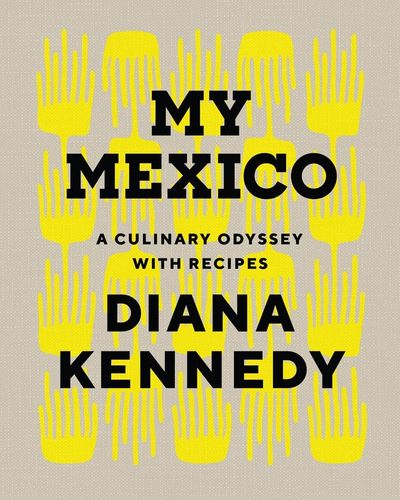
Fifty years of Mexican kitchens before they're gone.
✦ READ – REFLECT → RESIST
The Devil's Highway
Luis Alberto Urrea
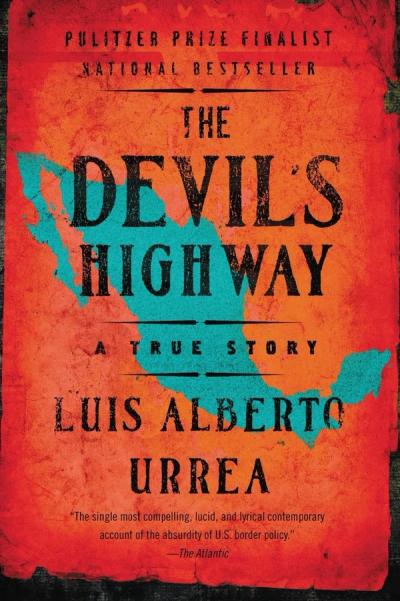
Twenty-six men. The Arizona desert. Fourteen survived.
✦ READ – REFLECT → RESIST