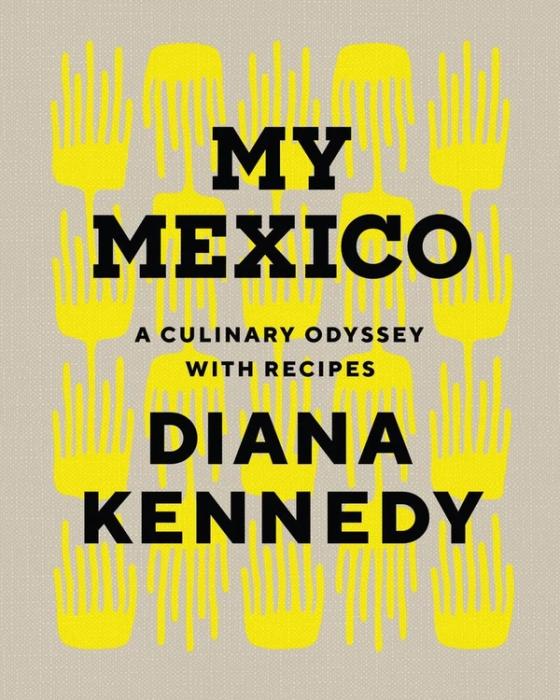
My Mexico
by Diana Kennedy
Fifty years of Mexican kitchens before they're gone.
For you if
you believe food is the most honest dispatch a culture can send
⚡ Choose Your Route ⚡
Not sold directly on this site. Support indie bookstores with a new copy, or go sustainable with a used one.
Buy New on Bookshop.orgSupports independent bookstores
— OR —
Find Used on Better World BooksSecondhand & sustainable
$45 MSRP
Reference price shown. Other editions may be available.
Diana Kennedy arrived in Mexico in 1957 and spent the next fifty years documenting its regional cuisines before globalization erased them. She drove dirt roads to find the woman who still made a particular mole the old way. She argued with chefs, politicians, and publishers to take Mexican food seriously as a subject. A visitor who became more native than most natives — not through conquest but through attention. The most important culinary dispatch on this shelf.
Where This Book Lives
- Setting
- Mexico • Latin America
- Voice
- An outside perspective on Mexico
Related Viewing
Shares a topic, theme, or setting with this book in the catalog.
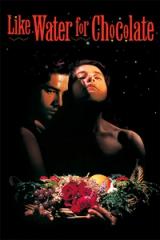
Like Water for Chocolate(1992)
dir. Alfonso Arau
Forbidden love, served through food.
In early-1900s Mexico, Tita is forbidden by family tradition from marrying the man she loves, so she pours her longing into the food she cooks — food that carries her emotions, sometimes literally, into everyone who eats it. Adapted from Laura Esquivel's novel.
Why it’s here: Punk in making a kitchen the site of rebellion — Tita's cooking becomes the one language her mother can't control or silence. Pedagogical in showing how inherited "duty" polices women's desire generation after generation, and what it costs to break that chain.
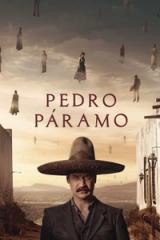
Pedro Páramo(2024)
dir. Rodrigo Prieto
A ghost town where the dead won't stop talking.
A man travels to his late mother's hometown to find the father he never knew, only to discover Comala is a ghost town in the most literal sense — populated by the dead, still narrating the tyranny of the cacique who once ruled it. Adapted from Juan Rulfo's novel.
Why it’s here: Punk in blurring the line between the living and the dead until power and guilt outlast the man who held them — Pedro Páramo's tyranny haunts Comala long after his death. Pedagogical in showing how one man's greed can hollow out an entire town's future.
Same pattern, different era
Different time, different place. The same thing keeps happening.
Flip the lens
Same country. Now hear it from the other side.
Pedro Páramo
Juan Rulfo
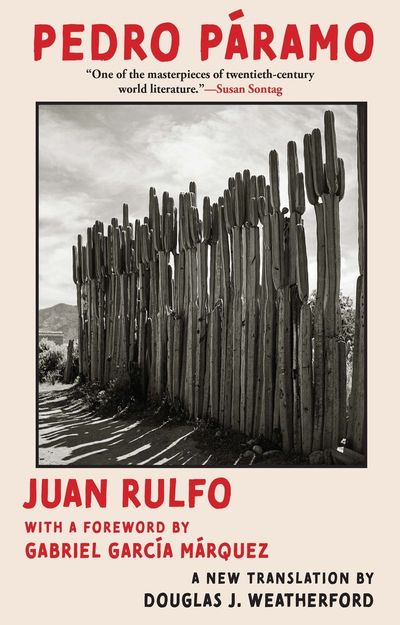
A dead man's town, still talking.
✦ READ – REFLECT → RESIST
Like Water for Chocolate
Laura Esquivel
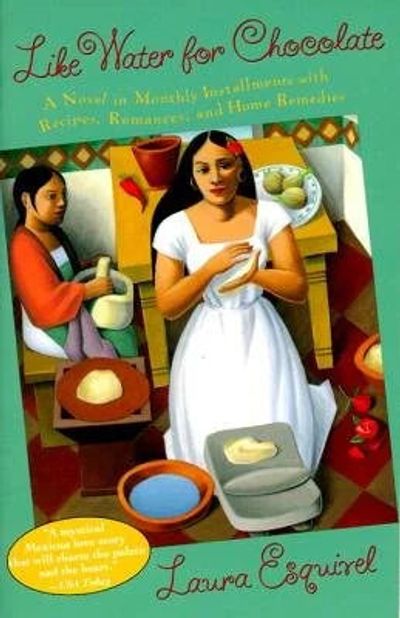
Every dish is a feeling she couldn't say out loud.
✦ READ – REFLECT → RESIST
The Labyrinth of Solitude
Octavio Paz
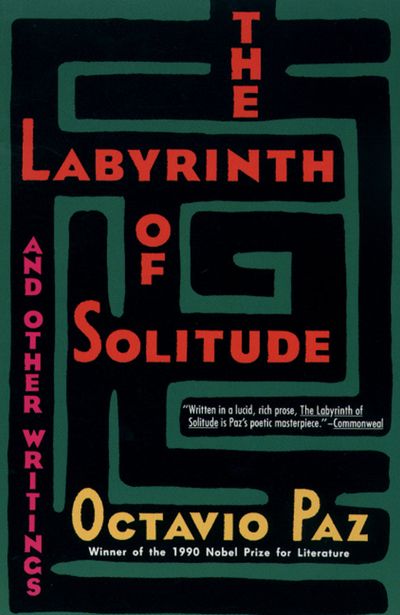
Mexico trying to explain itself to itself.
✦ READ – REFLECT → RESIST
2666
Roberto Bolaño
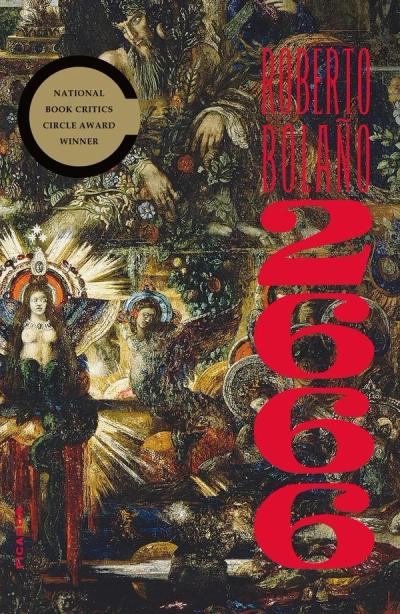
Eight hundred pages on what the world ignores.
✦ READ – REFLECT → RESIST
For the family bookshelf
Same idea, written for a younger reader. Good for reading together.