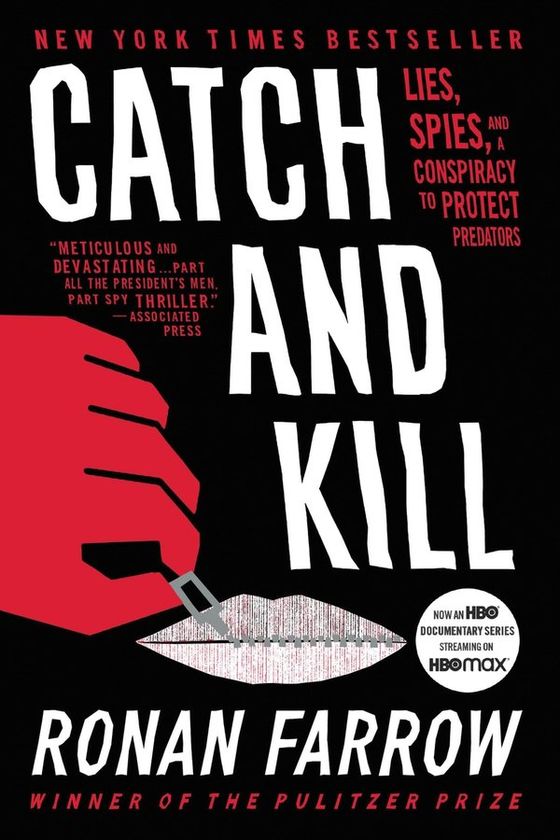
Catch and Kill: Lies, Spies, and a Conspiracy to Protect Predators
by Ronan Farrow
He had the story. NBC killed it.
For you if
you've wondered why some stories never make the news even when reporters are working on them
⚡ Choose Your Route ⚡
Not sold directly on this site. Support indie bookstores with a new copy, or go sustainable with a used one.
Buy New on Bookshop.orgSupports independent bookstores
— OR —
Find Used on Better World BooksSecondhand & sustainable
$18 MSRP · Paperback
Reference price shown. Other editions may be available.
Farrow begins investigating Harvey Weinstein for NBC News and what he uncovers is two stories: one about assault, and one about the architecture of silence built around it. Catch and Kill documents NBC killing his story while he was actively reporting it, Weinstein's private intelligence firm tracking journalists and their sources, and the legal and financial machinery that made survivors unable to speak. The book works as a thriller and lands as an argument about institutional power: how media companies, law firms, and financial arrangements work together to decide which truths get published. This is not abstract — Farrow names the executives, the legal strategies, the nondisclosure agreements used as weapons.
Where This Book Lives
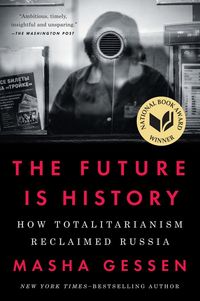
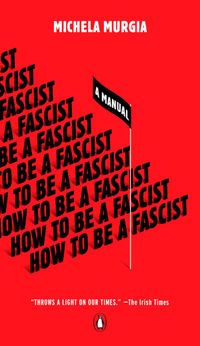
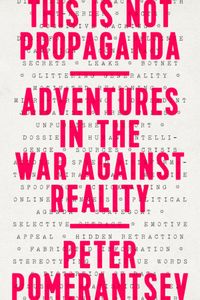
The arc from Chomsky's structural model to this specific documented case is the whole point of the bundle — and this book closes it. Farrow shows you the machinery in action, with names attached. For readers 16 and up, this is what it looks like when the filters Chomsky described meet a specific story that power needed gone.
Part of a Reading Journey
Related Viewing
Shares a topic, theme, or setting with this book in the catalog.
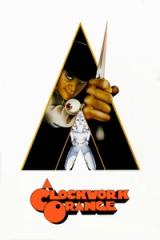
A Clockwork Orange(1971)
dir. Stanley Kubrick
State violence dressed up as your rehabilitation.
In a near-future Britain, teenage gang leader Alex is imprisoned for ultraviolence and subjected to an experimental state conditioning program meant to strip him of the capacity for violent choice. Adapted from Anthony Burgess's novel.
Why it’s here: Punk in refusing to resolve the discomfort — Alex is a monster, and the state's "cure" is its own kind of monstrous. Pedagogical in forcing the question of whether choosing evil is more human than being engineered into goodness.

Indian Horse(2017)
dir. Stephen S. Campanelli
Hockey couldn't save him from what came before.
Torn from his Ojibway family and committed to a Catholic residential school in 1950s Ontario, Saul Indian Horse survives institutional abuse and finds an unlikely refuge in hockey — though the game can't undo what the school did. Adapted from Richard Wagamese's novel.
Why it’s here: Punk in refusing to let athletic triumph erase institutional abuse — Saul's hockey talent doesn't heal the residential school system that tried to break him. Pedagogical in showing how trauma and skill can coexist in the same body without cancelling each other out.
Same pattern, different era
Different time, different place. The same thing keeps happening.