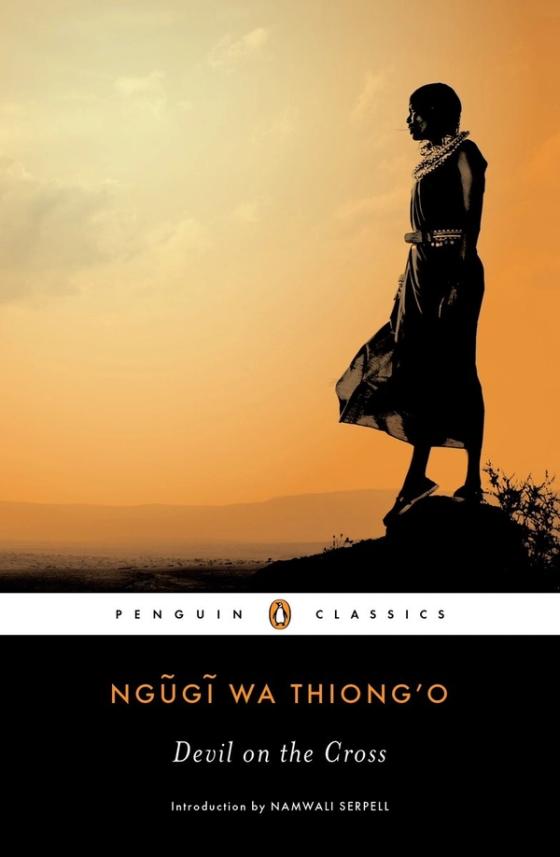
Devil on the Cross
by Ngũgĩ wa Thiong'o
Written on toilet paper in prison. In Gĩkũyũ. Banned in Kenya.
For you if
you want to understand post-independence African corruption through a novel so dangerous its author was imprisoned for writing it
⚡ Choose Your Route ⚡
Not sold directly on this site. Support indie bookstores with a new copy, or go sustainable with a used one.
Buy New on Bookshop.orgSupports independent bookstores
— OR —
Find Used on Better World BooksSecondhand & sustainable
$17 MSRP
Reference price shown. Other editions may be available.
Ngũgĩ wrote this novel in secret on toilet paper while imprisoned without charge by the Kenyan government in 1977-78 — and wrote it in Gĩkũyũ rather than English as a deliberate act of linguistic decolonization, insisting that African literature belonged to African languages rather than to the colonizer's tongue. The novel is a satirical feast: a competition of thieves and robbers arguing over who can best exploit the Kenyan people, rendered in the tradition of oral storytelling and biblical allegory. Banned in Kenya. The most formally radical African political novel and the one most completely written as a weapon — every formal choice, including the language itself, is an act of resistance. The essential African voice on the Laugh & Resist shelf and the proof that satire as a political weapon belongs to no single tradition.
Where This Book Lives
- Setting
- Kenya • East Africa
- Voice
- Written by a Kenyan author
- Topics
- post-independence kenya
Related Viewing
Shares a topic, theme, or setting with this book in the catalog.
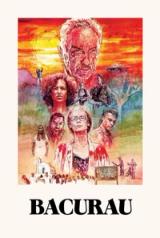
Bacurau(2019)
dir. Kleber Mendonça Filho & Juliano Dornelles
A town disappears from the map. Then the hunt begins.
Days after burying its matriarch, a small town in Brazil's rural sertão vanishes from every map, its water supply is cut, and a group of wealthy foreign mercenaries arrives to hunt its residents for sport — only to discover Bacurau has no intention of dying quietly.
Why it’s here: Punk in turning class rage into genre carnage — a marginalized town doesn't wait for institutions to save it, it arms itself and fights back on its own terms. Pedagogical in showing how disappearing a place from official maps is itself a form of violence, before a single shot is fired.
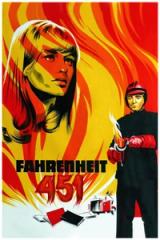
Fahrenheit 451(1966)
dir. François Truffaut
Burning books to keep everyone happy.
In a future where books are outlawed, fireman Guy Montag burns forbidden literature for a living until a young woman's curiosity about reading unsettles his loyalty to the system. Truffaut's only English-language film, adapted from Ray Bradbury's novel.
Why it’s here: Punk in imagining resistance as an act of memory — the "book people" who become the books they refuse to let die. Pedagogical in showing censorship dressed up as compassion, a government that burns literature "for everyone's peace of mind."
Same pattern, different era
Different time, different place. The same thing keeps happening.
Burning the Books: A History of Knowledge Under Attack
Richard Ovenden
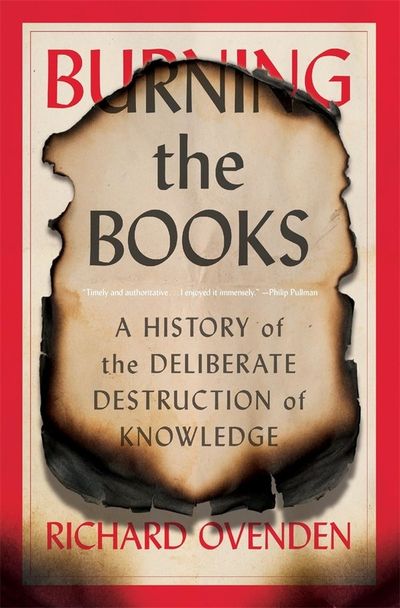
Knowledge was always the target.
✦ READ – REFLECT → RESIST
Forever...
Judy Blume

The teen novel they banned for telling the truth.
✦ READ – REFLECT → RESIST
milk and honey
Rupi Kaur
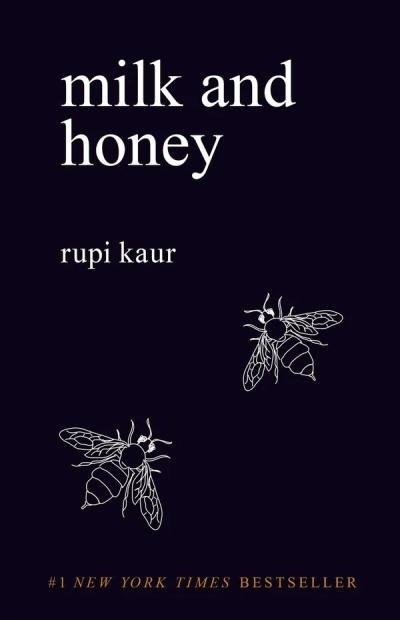
The poems that gave survivors their words.
✦ READ – REFLECT → RESIST
Nineteen Minutes
Jodi Picoult
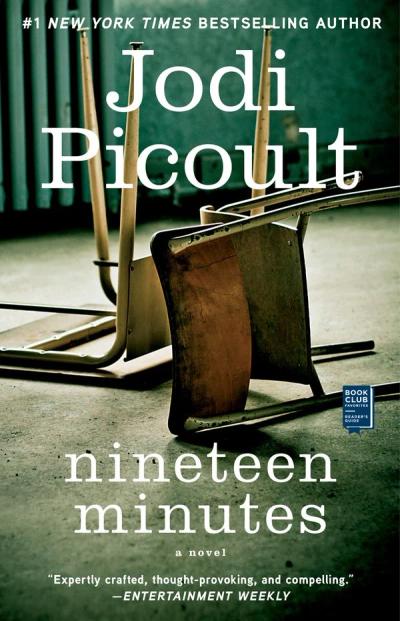
The novel that asks who made the shooter.
✦ READ – REFLECT → RESIST
Flip the lens
Same country. Now hear it from the other side.
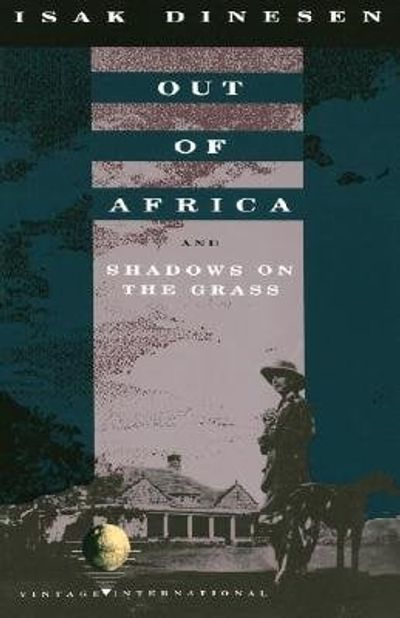
For the family bookshelf
Same idea, written for a younger reader. Good for reading together.
The Absolutely True Diary of a Part-Time Indian
Sherman Alexie
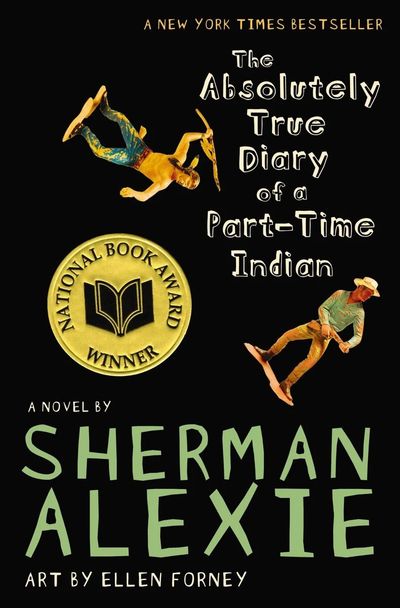
A reservation kid goes to the white school. Everyone loses.
✦ READ – REFLECT → RESIST
P is for Palestine
Golbarg Bashi
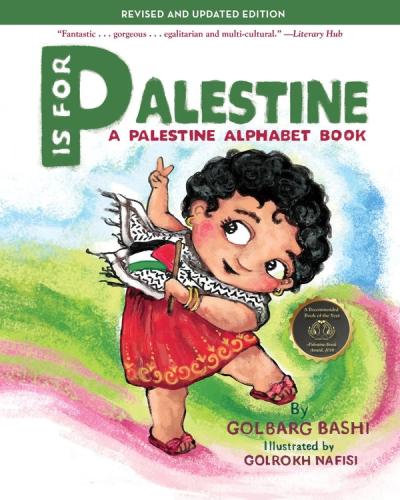
An alphabet book about Palestine. They tried to ban it.
✦ READ – REFLECT → RESIST
Last Exit to Brooklyn
Hubert Selby Jr.
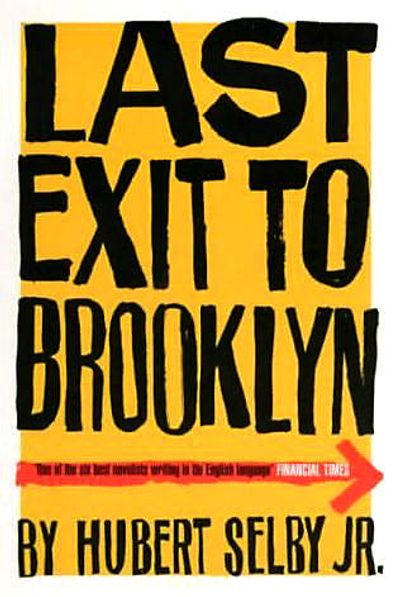
Brooklyn's underworld. No exits. No comfort. All true.
✦ READ – REFLECT → RESIST
This Book Is Banned
Raj Haldar
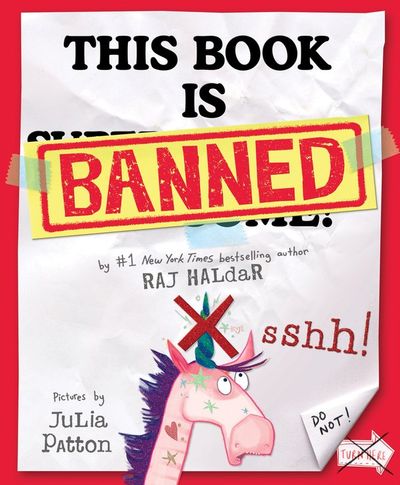
Banned? Perfect. Now they'll definitely read it.
✦ READ – REFLECT → RESIST