
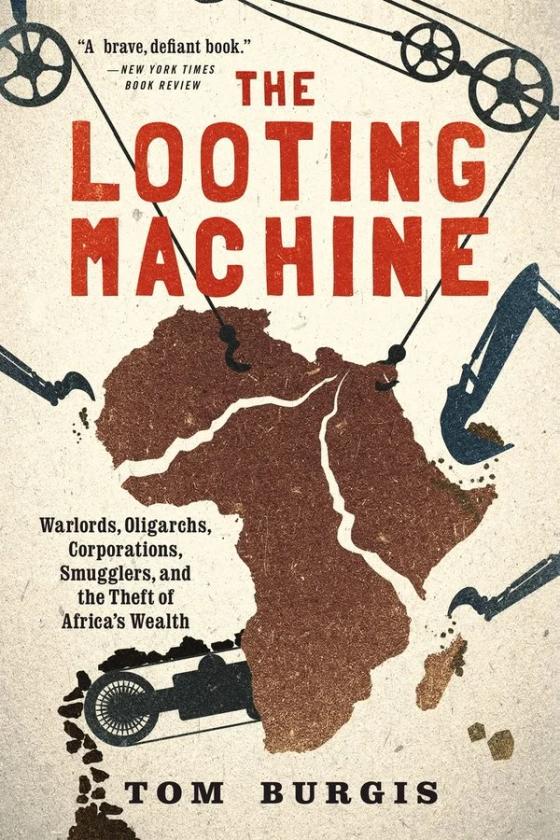
The Looting Machine: Warlords, Oligarchs, Corporations, Smugglers, and the Theft of Africa's Wealth
by Tom Burgis
Who really profits from Africa's resources.
For you if
you want to know who gets rich when a country is rich in oil.
⚡ Choose Your Route ⚡
Not sold directly on this site. Support indie bookstores with a new copy, or go sustainable with a used one.
Buy New on Bookshop.orgSupports independent bookstores
— OR —
Find Used on Better World BooksSecondhand & sustainable
$19 MSRP · Paperback
Reference price shown. Other editions may be available.
Africa has an enormous share of the world's oil, minerals and metals, and Burgis, a Financial Times reporter, follows where the money goes. He traces it through Nigerian oil, Congolese coltan and Chinese loans to the shell companies, traders and local elites who skim it off. The people on top of the resources are mostly the ones who see the least of it.
Where This Book Lives
Burgis is a journalist, not an academic, so it reads like an investigation. It names real companies and officials, and some of the allegations are contested by them. It pairs with Cobalt Red, which is already in the catalog, and adds the oil and mining-finance side.
Related Viewing
Shares a topic, theme, or setting with this book in the catalog.

The Florida Project(2017)
dir. Sean Baker
Same themes: Inequality, Structural Violence
A kid's summer in a motel outside Disney World.
Six-year-old Moonee spends her summer in a purple motel outside Disney World, where her mother and a lot of other families live because they can't afford anything else. The kids run wild, the manager, played by Willem Dafoe, keeps an eye out, and the adults are always one bad week from the street. It's shot from a child's height, in bright colors.
Why it’s here: The film shows hidden homelessness through a kid's eyes, in the shadow of a theme park. What's punk is that it doesn't ask for pity and it doesn't clean up the mother. What's pedagogical is how clearly it shows what poverty looks like when it's called a motel. Pairs with Evicted and Poverty, by America.
Where to watch: Free with ads on The Roku Channel and Plex; rent $2.99 on Amazon and Fandango At Home, $3.99 on Apple TV (JustWatch US, Oct 2026)Letterboxd ↗
13th(2016)
dir. Ava DuVernay
Same theme: Structural Violence
The 13th Amendment's loophole built a prison nation.
Ava DuVernay's documentary traces one clause of the 13th Amendment, which abolished slavery except as punishment for a crime, from Reconstruction convict leasing through Jim Crow, the War on Drugs and the modern prison boom. Historians, activists and politicians make the case that mass incarceration is slavery's afterlife by another legal name.
Why it’s here: The punk move is the thesis itself: it reads the Constitution's own text as the loophole and then follows the money and the rhetoric, including footage of the politicians who built the machine, straight to the present. The pedagogy is in the method. It teaches a viewer to trace a single policy lever across 150 years instead of treating each era as a separate story, which is a transferable habit of mind. Worth knowing that some historians argue its straight line from slavery to prisons flattens a more tangled history, so watch it as a forceful argument rather than a settled account.
Where to watch: Streaming on NetflixLetterboxd ↗
Same pattern, different era
Different time, different place. The same thing keeps happening.
Capitalism and Slavery
Eric Williams
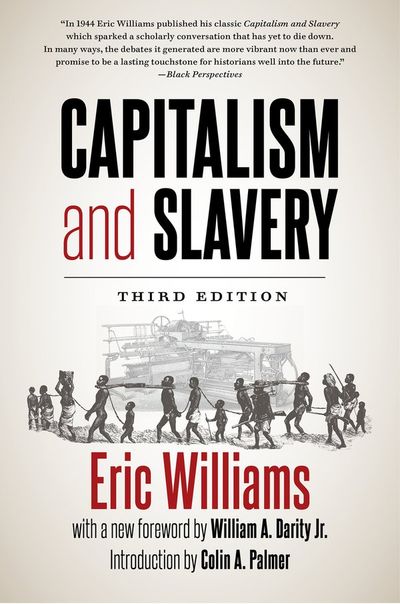
Slavery didn't fund empire. Slavery WAS empire.
✦ READ – REFLECT → RESIST
Empire of Pain
Patrick Radden Keefe
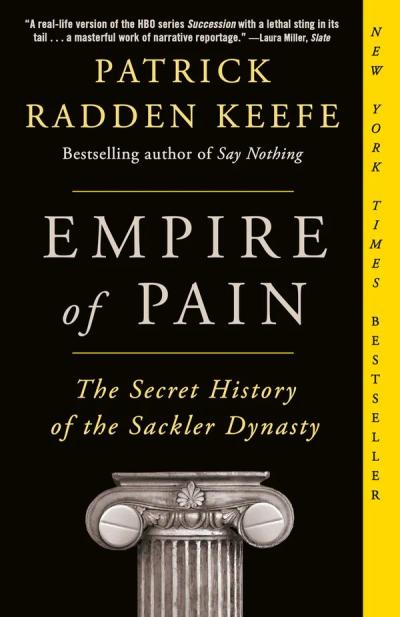
Philanthropy as cover. Addiction as business model.
✦ READ – REFLECT → RESIST
The Ethnic Cleansing of Palestine
Ilan Pappé
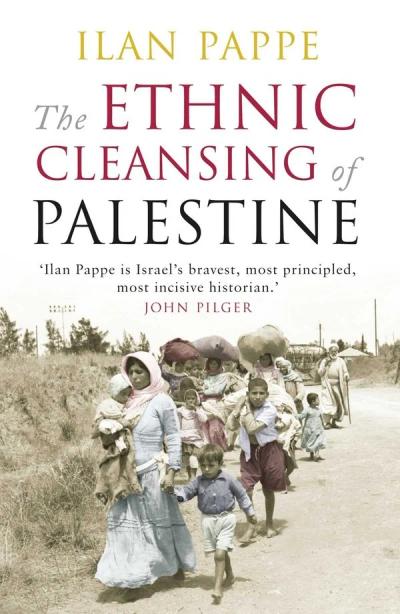
Plan Dalet. Village by village.
✦ READ – REFLECT → RESIST
How Europe Underdeveloped Africa
Walter Rodney
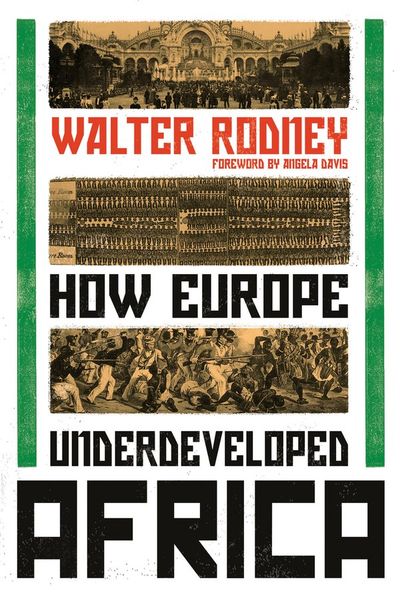
Africa isn't poor. It was made poor.
✦ READ – REFLECT → RESIST