
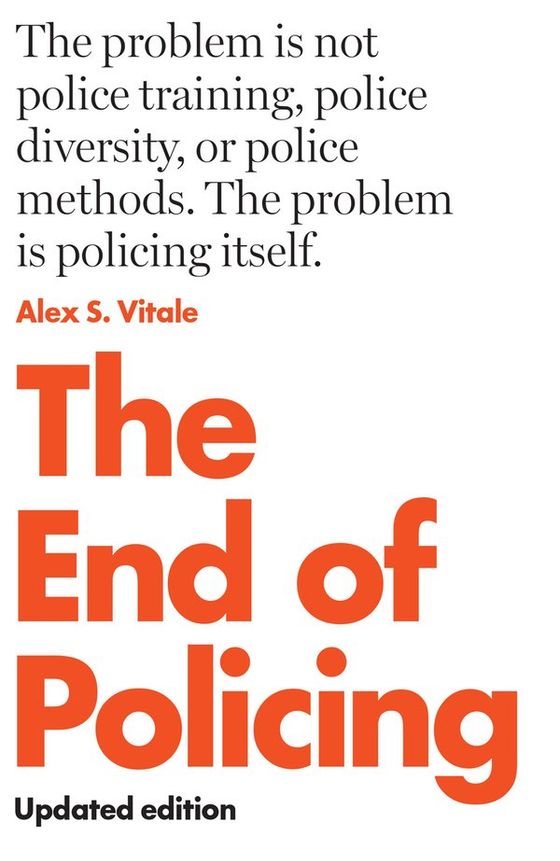
The End of Policing
by Alex S. Vitale
What police are for, and what could do the job.
For you if
you were taught the police are simply there to keep you safe.
⚡ Choose Your Route ⚡
Not sold directly on this site. Support indie bookstores with a new copy, or go sustainable with a used one.
Buy New on Bookshop.orgSupports independent bookstores
— OR —
Find Used on Better World BooksSecondhand & sustainable
$19 MSRP · Paperback
Reference price shown. Other editions may be available.
Vitale, a sociologist who has spent decades studying police, goes through the jobs we hand to officers, such as schools, drugs, homelessness, mental health and borders, and asks what the police actually do there and what works better. His answer is that reform keeps failing because the institution was built for control, and that other kinds of public service do the jobs more cheaply and with less harm.
Where This Book Lives
Pass with note. Vitale is an openly abolitionist advocate, and critics argue some of his alternatives are thinly evidenced. The history and the case studies are well sourced. A free open-access edition exists. Close relatives already in the catalog: The New Jim Crow and, from this month's picks, Abolition. Feminism. Now.
Related Viewing
Shares a topic, theme, or setting with this book in the catalog.
Coded Bias(2020)
dir. Shalini Kantayya
Same themes: Inequality, Racial Injustice
A face-recognition system that cannot see her.
MIT researcher Joy Buolamwini discovers that a face-recognition system can't see her face unless she puts on a white mask. She follows the thread to police departments, landlords and schools that are using such systems, and to the activists in London and New York who are pushing back. It's a documentary about who gets watched and who gets judged by software.
Why it’s here: The film shows how algorithms inherit the prejudice of the people who built them, and who gets hurt first. What's punk is that a graduate student's anomaly turns into a campaign against the tech industry. What's pedagogical is how clearly it explains training data and error rates to a general audience. Pairs with Deep Unlearning, Automating Inequality and Your Face Belongs to Us.
Where to watch: Free on Kanopy, Hoopla and Darkroom; rent $4.99 on Amazon and Apple TV (JustWatch US, Oct 2026)Letterboxd ↗
13th(2016)
dir. Ava DuVernay
Same themes: Racial Injustice, Structural Violence
The 13th Amendment's loophole built a prison nation.
Ava DuVernay's documentary traces one clause of the 13th Amendment, which abolished slavery except as punishment for a crime, from Reconstruction convict leasing through Jim Crow, the War on Drugs and the modern prison boom. Historians, activists and politicians make the case that mass incarceration is slavery's afterlife by another legal name.
Why it’s here: The punk move is the thesis itself: it reads the Constitution's own text as the loophole and then follows the money and the rhetoric, including footage of the politicians who built the machine, straight to the present. The pedagogy is in the method. It teaches a viewer to trace a single policy lever across 150 years instead of treating each era as a separate story, which is a transferable habit of mind. Worth knowing that some historians argue its straight line from slavery to prisons flattens a more tangled history, so watch it as a forceful argument rather than a settled account.
Where to watch: Streaming on NetflixLetterboxd ↗
Same pattern, different era
Different time, different place. The same thing keeps happening.
Anger Is a Gift
Mark Oshiro
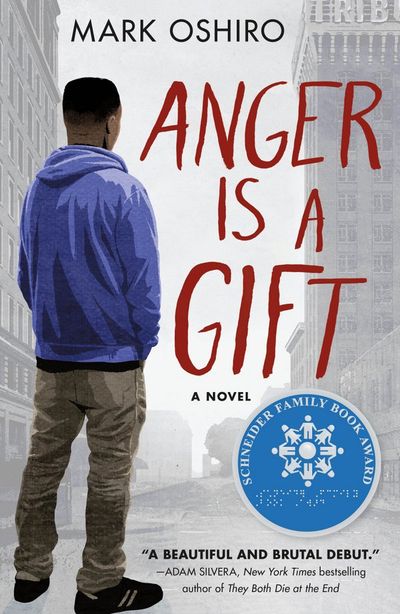
The anger you've been told to put down.
✦ READ – REFLECT → RESIST
Dear Martin
Nic Stone
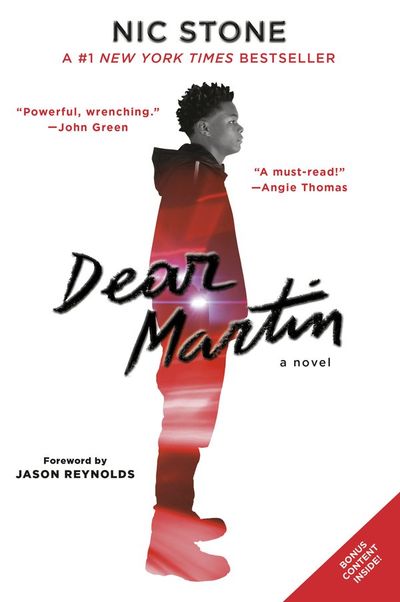
Letters to MLK from a kid in handcuffs.
✦ READ – REFLECT → RESIST
Exit Party
Emily St. John Mandel

Two versions of America. Both feel familiar.
✦ READ – REFLECT → RESIST
Home Fire
Kamila Shamsie
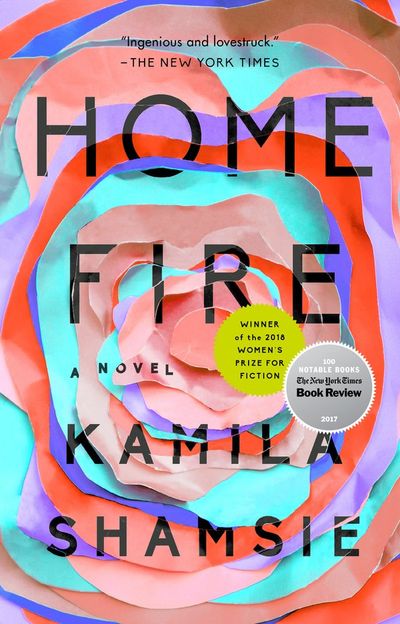
Antigone, in a British-Pakistani family.
✦ READ – REFLECT → RESIST
For the family bookshelf
Same idea, written for a younger reader. Good for reading together.
Bud, Not Buddy
Christopher Paul Curtis
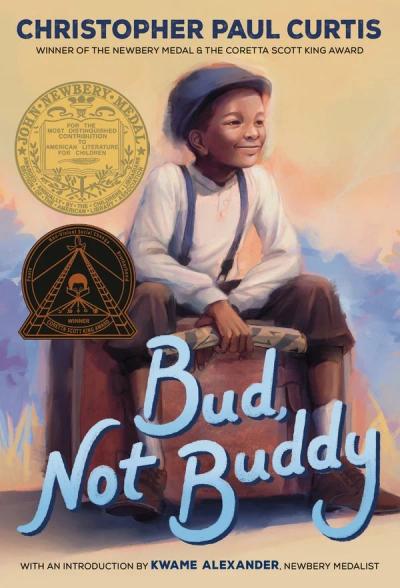
An orphan, a suitcase, and the Great Depression.
✦ READ – REFLECT → RESIST
Claudette Colvin: Twice Toward Justice
Phillip Hoose
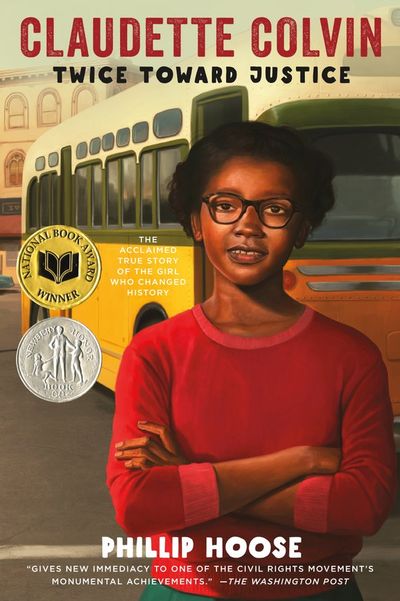
She refused first. History forgot her anyway.
✦ READ – REFLECT → RESIST
Dreamland Burning
Jennifer Latham
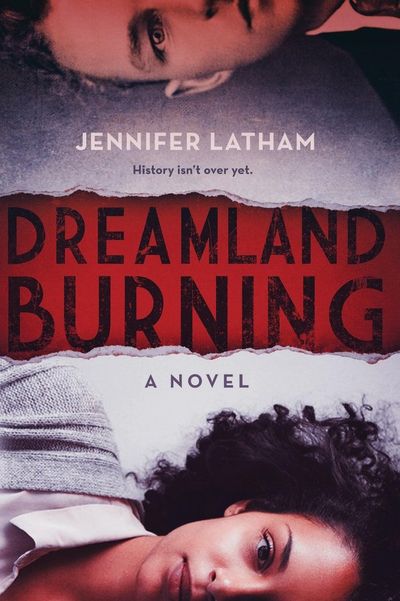
Two Tulsa teens, one buried massacre.
✦ READ – REFLECT → RESIST
Ghost Boys
Jewell Parker Rhodes
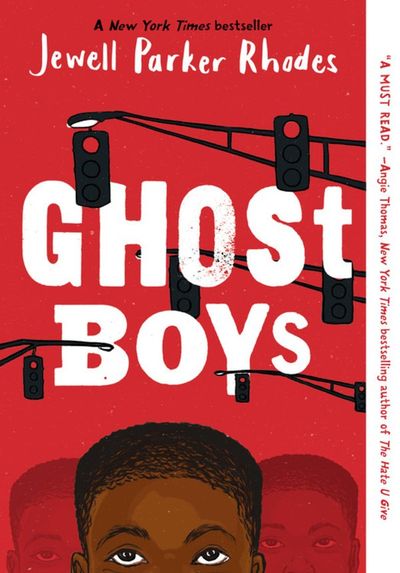
A boy killed by police tells it himself.
✦ READ – REFLECT → RESIST