
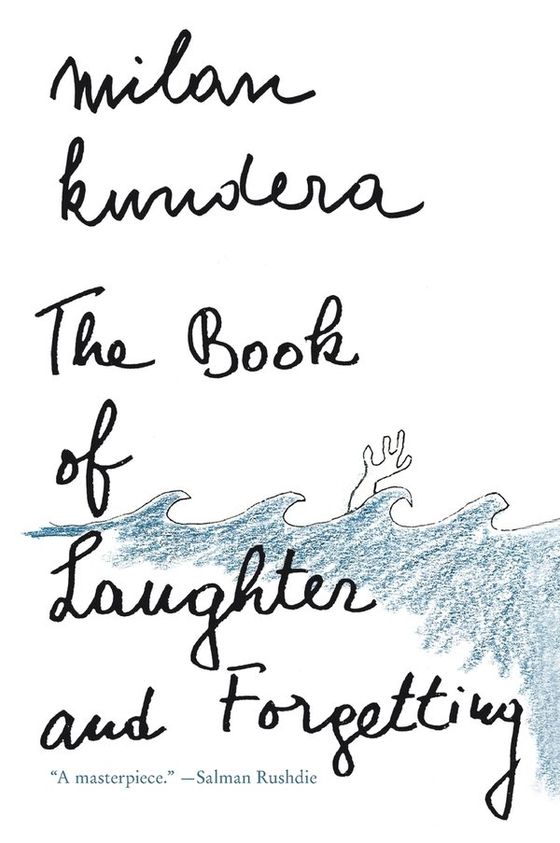
The Book of Laughter and Forgetting
by Milan Kundera
He was airbrushed out of the photo. That's the plot.
For you if
you suspect the cover-up is the real story.
⚡ Choose Your Route ⚡
Not sold directly on this site. Support indie bookstores with a new copy, or go sustainable with a used one.
Buy New on Bookshop.orgSupports independent bookstores
— OR —
Find Used on Better World BooksSecondhand & sustainable
$18 MSRP · Paperback
Reference price shown. Other editions may be available.
A novel in seven parts that share a theme and not much else: after the 1968 Soviet invasion of Czechoslovakia, the regime does not only silence its enemies, it erases them, down to the photographs. Kundera mixes a love story, an exile's memoir, a jokey fable and a lecture on laughter. The opening image, a man airbrushed out of a balcony photograph, is one of the sharpest descriptions of propaganda in fiction.
Where This Book Lives
Pass with note. In 2008 a Czech magazine published a 1950 police report suggesting Kundera informed on a classmate; he denied it and the evidence is disputed, so the record is open. The book was banned in Czechoslovakia in 1981. Not a quick read; fragmentary on purpose. Kundera is already in the catalog (The Unbearable Lightness of Being). Close relatives: The Captive Mind and The Good Soldier Svejk.
Related Viewing
Shares a topic, theme, or setting with this book in the catalog.
In the Loop(2009)
dir. Armando Iannucci
Same themes: Authoritarianism, Propaganda
How a war happens, as a workplace comedy.
A British minister says on the radio that war is unforeseeable. In Washington and London, spin doctors and generals turn that sentence into a march to war. It is a comedy about how a casual remark, an unread report and a lot of swearing push two governments into invading a country that nobody in the room has seen.
Why it’s here: The film is about how a war gets made by people trying to protect their jobs. What's punk is that no one in power is spared, and the funniest scenes are the ones where a decision is made by the person who has read the least. What's pedagogical is how clearly it exposes the pipeline from soundbite to policy. Close relatives: The Death of Stalin (same director, already in the catalog) and Dr. Strangelove. Note: very profane.
Where to watch: Free on Kanopy; MUBI, Sundance Now, AMC+; rent $2.99-3.99 on Amazon, Apple TV and Fandango At Home (JustWatch US, Oct 23 2026)Letterboxd ↗
Control Room(2004)
dir. Jehane Noujaim
Same themes: Propaganda, Who Tells History
The Iraq war told from two newsrooms.
Noujaim spent the weeks of the 2003 Iraq invasion inside Al Jazeera's newsroom in Doha, Qatar, and in the US military's media center nearby. We meet an Al Jazeera producer, a veteran editor and a Marine press officer, and all of them are trying to tell the same war to different audiences.
Why it’s here: The film is a lesson in how the same event becomes two stories. What's punk is the way it takes the network Americans were told to distrust and lets us see how it works. What's pedagogical is that it gives students a frame for asking who is telling this and why. Pairs with Manufacturing Consent and This Is Not Propaganda. Note: made in 2004, so it's a time capsule; the Marine press officer, Josh Rushing, later joined Al Jazeera, which the film doesn't show.
Where to watch: Free: Kanopy, Roku Channel, Tubi (ads), Fandango At Home Free; Dox via Amazon Channel; rent $2.99 on Amazon and Fandango At Home (JustWatch US, checked 2026-08-10, so verify).Letterboxd ↗
Same pattern, different era
Different time, different place. The same thing keeps happening.
A Brief History of Neoliberalism
David Harvey
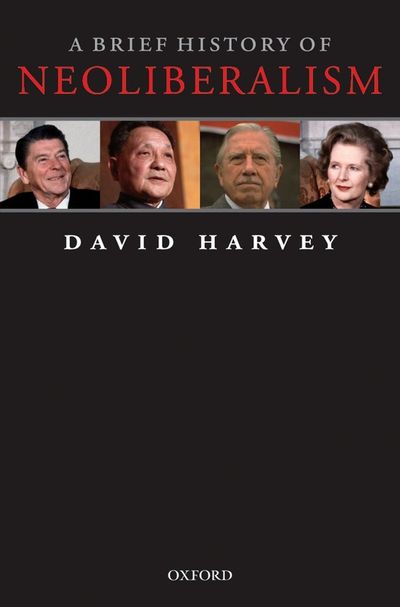
How "free markets" became everyone's common sense.
✦ READ – REFLECT → RESIST
A Peace to End All Peace: The Fall of the Ottoman Empire and the Creation of the Modern Middle East
David Fromkin
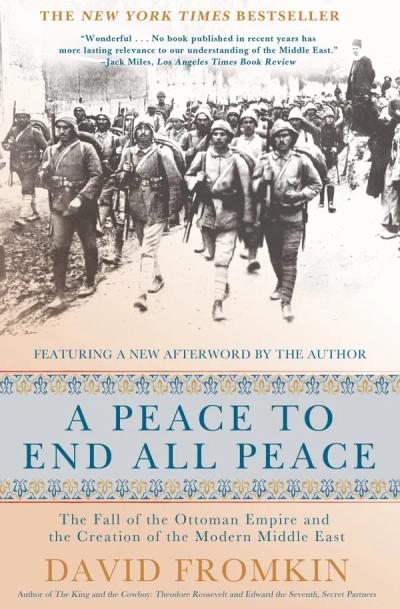
The deals that drew the Middle East in a hurry.
✦ READ – REFLECT → RESIST
Aristophanes' Lysistrata: A Dual Language Edition
Aristophanes
The oldest sex strike in history. Still works.
✦ READ – REFLECT → RESIST
Autocracy, Inc.: The Dictators Who Want to Run the World
Anne Applebaum
The network behind every strongman.
✦ READ – REFLECT → RESIST
For the family bookshelf
Same idea, written for a younger reader. Good for reading together.
Between Shades of Gray
Ruta Sepetys
A Lithuanian teen draws her way through Siberia.
✦ READ – REFLECT → RESIST
Dreamland Burning
Jennifer Latham
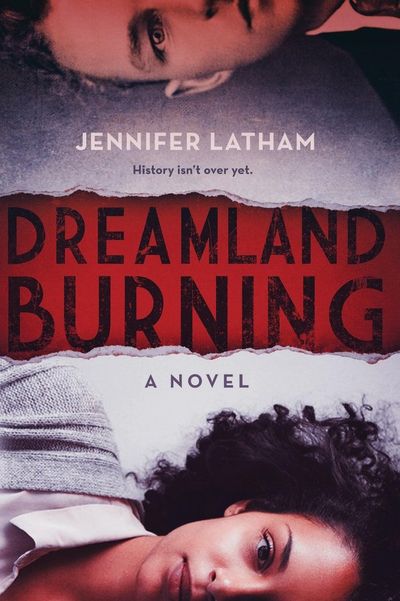
Two Tulsa teens, one buried massacre.
✦ READ – REFLECT → RESIST
The Rooster Who Would Not Be Quiet!
Carmen Agra Deedy, illustrated by Eugene Yelchin
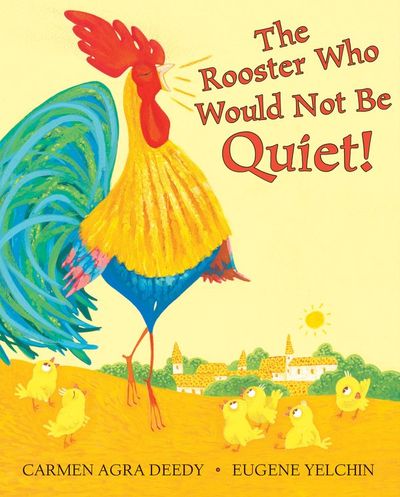
The law said be quiet. The rooster disagreed.
✦ READ – REFLECT → RESIST