
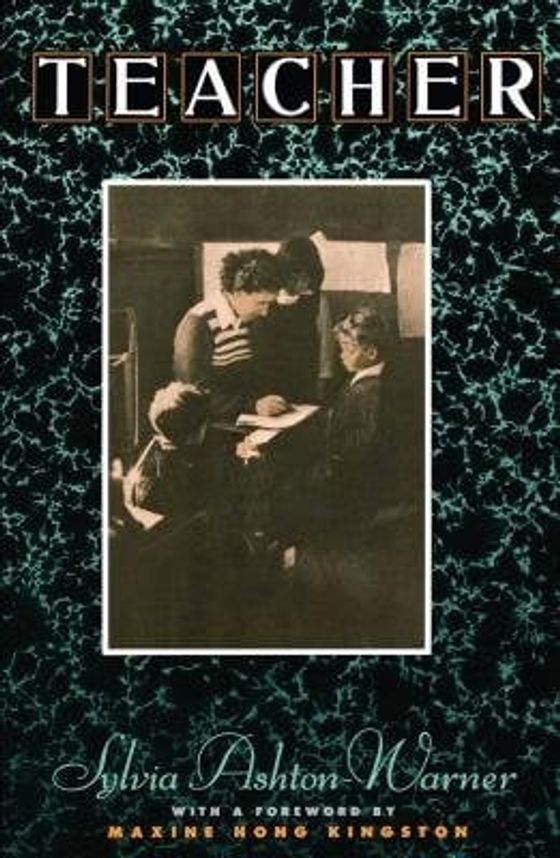
Teacher
by Sylvia Ashton-Warner
A teacher lets Māori kids choose their own words.
For you if
you think kids learn best from what they already care about.
⚡ Choose Your Route ⚡
Not sold directly on this site. Support indie bookstores with a new copy, or go sustainable with a used one.
Buy New on Bookshop.orgSupports independent bookstores
— OR —
Find Used on Better World BooksSecondhand & sustainable
$17 MSRP · Paperback
Reference price shown. Other editions may be available.
In the 1950s Ashton-Warner taught Māori children in remote New Zealand schools, where the official readers were about English families and English weather. She threw them out. Each child chose their own key words, such as mother, ghost, kiss and fear, and learned to read from those. This is her account of what happened, in a half-poetic, half-diary voice.
Where This Book Lives
Pass with note. Published 1963. Ashton-Warner writes with colonial-era assumptions about Māori children that now read as paternalistic, and some of her claims are impressionistic rather than tested. It is still a rare record of a teacher building curriculum from children's own lives. Close relatives: Summerhill School, How Children Learn and The Dreamkeepers.
Related Viewing
Shares a topic, theme, or setting with this book in the catalog.
Ikiru(1952)
dir. Akira Kurosawa
Same themes: Activism, Community
A bureaucrat with six months to build one thing.
Watanabe is a Tokyo city-hall bureaucrat who has stamped papers for thirty years. When he learns he is dying, he spends his savings on a night out, finds it empty, and then returns to his office to push through a request from mothers who want a children's playground built on a swamp. The film is in two halves, the second set at his wake.
Why it’s here: The film is about the paperwork that stops anything from being built, and the one man who decides to defeat it. What's punk is the war on bureaucracy, and the wake scene where his colleagues take credit. What's pedagogical is a lesson in how a small act inside a system gets shaped by the people who tell the story after. Kurosawa's memoir is in the catalog as Something Like an Autobiography.
Where to watch: Free on Kanopy; Criterion Channel; HBO Max; rent $2.99 on Amazon and Fandango At Home (unsub.tv and Criterion Channel, Oct 2026)Letterboxd ↗

Bend It Like Beckham(2002)
dir. Gurinder Chadha
Same themes: Courage, Race and Identity
A Punjabi girl, a soccer ball, and a family wedding.
Jess is a British Punjabi eighteen-year-old in West London who plays soccer better than anyone in her park, and her parents want her to learn to cook a full Indian dinner. She joins a women's team behind their backs, falls for her coach, and has to find a way to be both daughters at once. It's a comedy with a wedding, an ugly sports bra and a lot of heart.
Why it’s here: The film makes a joke out of the fight between family expectations and a girl's ambition, and the girl wins on her own terms. What's punk is that Jess isn't asked to choose between her people and her game. What's pedagogical is how it handles racism, sexism and homophobia in a form a family can watch together. Pairs with Persepolis and Funny Boy.
Where to watch: Disney+; rent $3.99 on Amazon and Fandango At Home (JustWatch US)Letterboxd ↗
Same pattern, different era
Different time, different place. The same thing keeps happening.
A Girl Is a Body of Water
Jennifer Nansubuga Makumbi
A Ugandan girl asks who the women before her were.
✦ READ – REFLECT → RESIST
Dear Martin
Nic Stone
Letters to MLK from a kid in handcuffs.
✦ READ – REFLECT → RESIST
Evicted: Poverty and Profit in the American City
Matthew Desmond
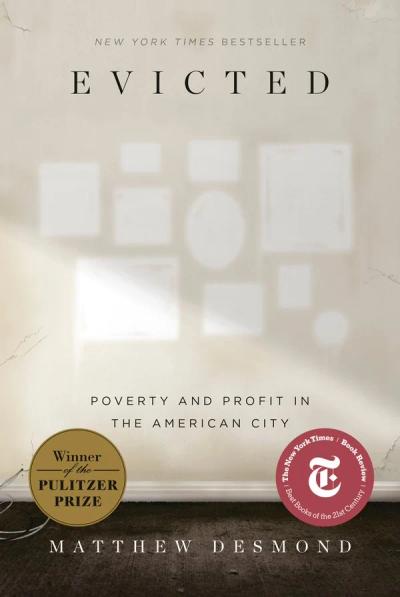
Eight families, a landlord, and the eviction machine.
✦ READ – REFLECT → RESIST
Girl, Woman, Other
Bernardine Evaristo

Twelve Black British lives, one unbroken chorus.
✦ READ – REFLECT → RESIST
For the family bookshelf
Same idea, written for a younger reader. Good for reading together.
A Different Pond
Bao Phi
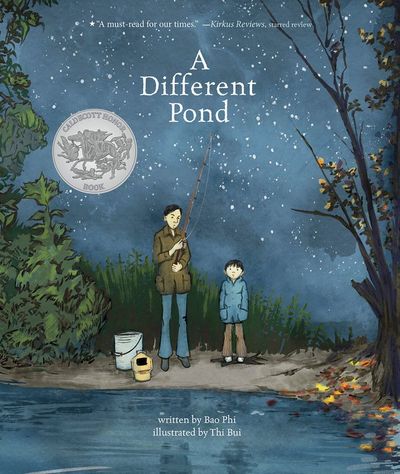
A refugee dad, a fishing pole, and 4 a.m.
✦ READ – REFLECT → RESIST
Amal Unbound
Aisha Saeed

The debt wasn't hers. The cage is.
✦ READ – REFLECT → RESIST
Amina's Voice
Hena Khan
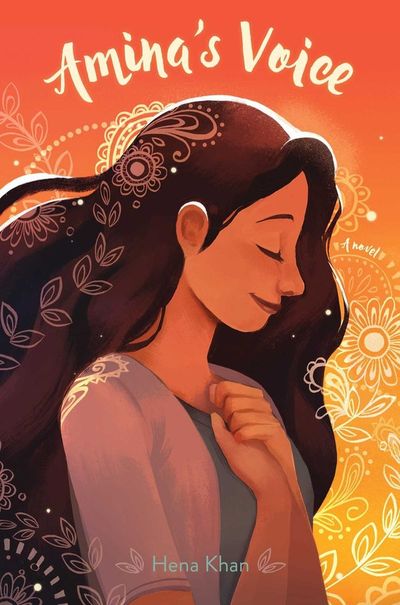
A shy girl sings out after her mosque is attacked.
✦ READ – REFLECT → RESIST
Big Red Lollipop
Rukhsana Khan

A big sister, a birthday party, and who gets included.
✦ READ – REFLECT → RESIST