
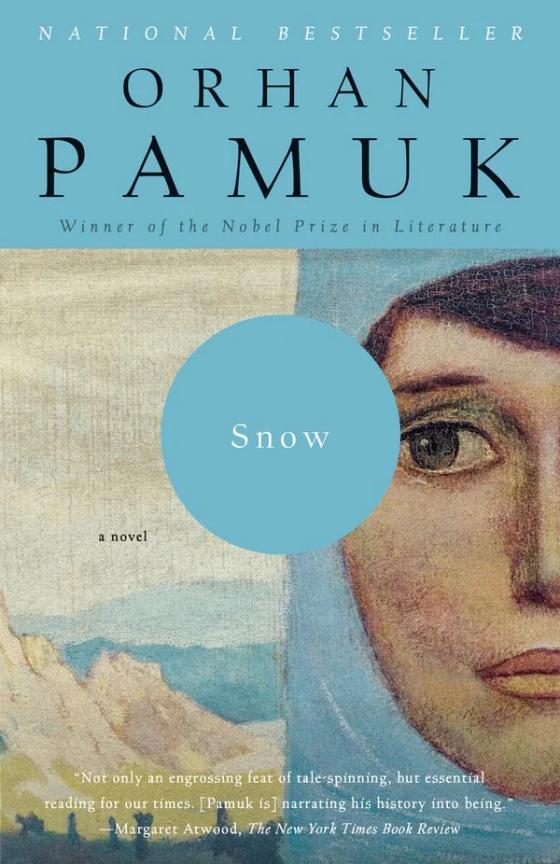
Snow
by Orhan Pamuk
A snowed-in Turkish town, a coup, and a poet.
For you if
you feel stuck between two certainties and trust neither.
⚡ Choose Your Route ⚡
Not sold directly on this site. Support indie bookstores with a new copy, or go sustainable with a used one.
Buy New on Bookshop.orgSupports independent bookstores
— OR —
Find Used on Better World BooksSecondhand & sustainable
$20 MSRP · Paperback
Reference price shown. Other editions may be available.
Ka, an exiled Turkish poet, travels to the frontier city of Kars to report on a wave of suicides among headscarf-wearing girls. Snow closes the roads. A coup, a theatre troupe, a secular army and political Islamists collide while he falls in love and writes poems that come to him like snowflakes. It is a novel about what happens when everyone in a town is certain they are the real victim.
Where This Book Lives
Pass with note. Pamuk won the Nobel in 2006. In 2005 he was prosecuted in Turkey for saying the Armenian genocide and Kurdish deaths were not discussed; the charges were dropped. The book is slow and political and sympathetic to nobody entirely, which is the point. Content includes political violence and suicide.
Related Viewing
Shares a topic, theme, or setting with this book in the catalog.
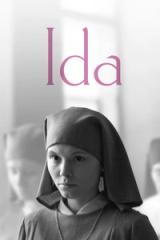
Ida(2013)
dir. Paweł Pawlikowski
Same themes: Grief and Loss, Identity and Deception
A novice learns she is Jewish, and what her town hid.
Poland, 1962. Anna is a novice about to take her vows when the mother superior sends her to meet her only living relative, her aunt Wanda, a hard-drinking former state prosecutor. Wanda tells her she is Jewish and that her real name is Ida, and the two women drive into the countryside to find out what happened to her parents. It is shot in black and white, in 82 minutes.
Why it’s here: The film puts Polish complicity in the Holocaust on screen through a quiet road movie. What's punk is Wanda, who once sentenced people for the state and now has to live with it. What's pedagogical is how it handles guilt, memory and what a country hides. Pairs with Number the Stars and Everything is Illuminated.
Where to watch: Prime Video, MUBI; free on Kanopy, Hoopla, Tubi, Plex; rent $2.99 (JustWatch US)Letterboxd ↗
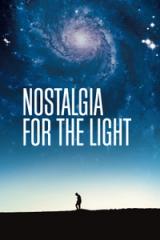
Nostalgia for the Light(2010)
dir. Patricio Guzmán
Same themes: Authoritarianism, Grief and Loss
Astronomers and mothers dig the same desert.
In Chile's Atacama Desert astronomers use the clearest skies on Earth to study the origins of the universe. In the same sand, women are still searching for the bones of relatives disposed of by Pinochet's dictatorship. Guzmán puts them in the same frame: people looking up at stars thirteen billion years old, and people on their knees looking for forty-year-old remains.
Why it’s here: The film makes the case that a country's past has to be dug up before it can be put to rest. What's punk is the women with their small shovels, who outlast the state's silence. What's pedagogical is the way it joins deep time and recent history and invites students to ask who gets to be an archaeologist of their own country. Sits beside Chile-adjacent books like The House of the Spirits. Note: availability data is about eleven weeks old, so re-check.
Where to watch: Free on Kanopy and Hoopla; OVID; rent $3.99 on Amazon, $4.99 on Apple TV (JustWatch US, last checked Aug 12 2026; re-check)Letterboxd ↗
Same pattern, different era
Different time, different place. The same thing keeps happening.
Anger Is a Gift
Mark Oshiro
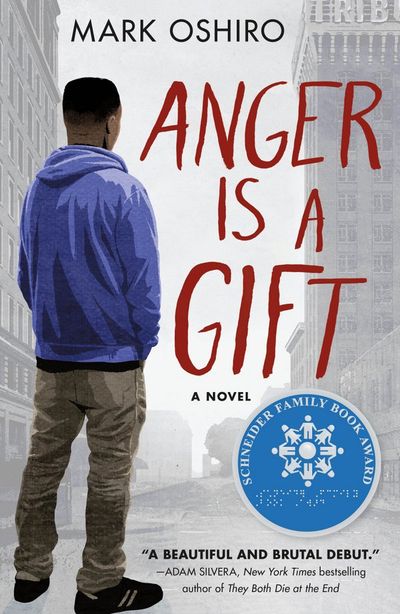
The anger you've been told to put down.
✦ READ – REFLECT → RESIST
Autocracy, Inc.: The Dictators Who Want to Run the World
Anne Applebaum
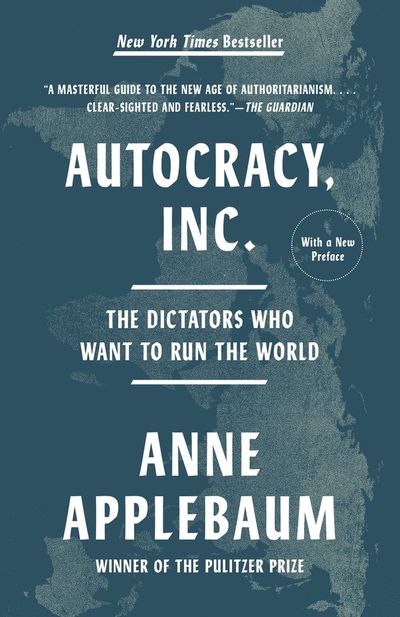
The network behind every strongman.
✦ READ – REFLECT → RESIST
Dear Martin
Nic Stone
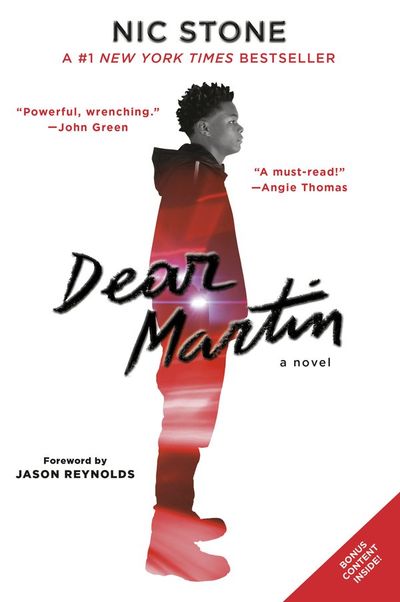
Letters to MLK from a kid in handcuffs.
✦ READ – REFLECT → RESIST
Eichmann in Jerusalem: A Report on the Banality of Evil
Hannah Arendt

The banality of evil, reported from the courtroom.
✦ READ – REFLECT → RESIST
For the family bookshelf
Same idea, written for a younger reader. Good for reading together.
A Different Pond
Bao Phi
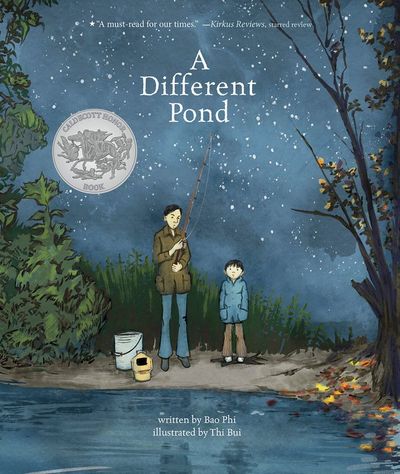
A refugee dad, a fishing pole, and 4 a.m.
✦ READ – REFLECT → RESIST
Ghost Boys
Jewell Parker Rhodes
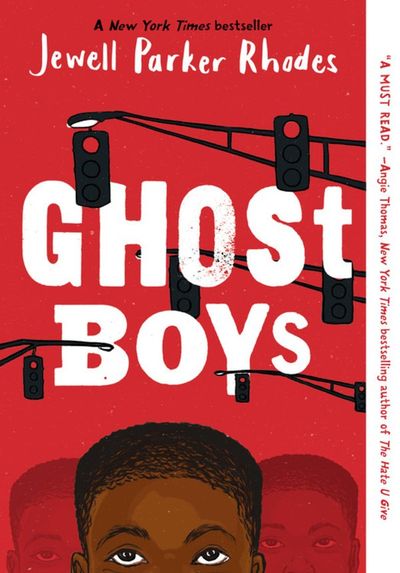
A boy killed by police tells it himself.
✦ READ – REFLECT → RESIST
Pax
Sara Pennypacker
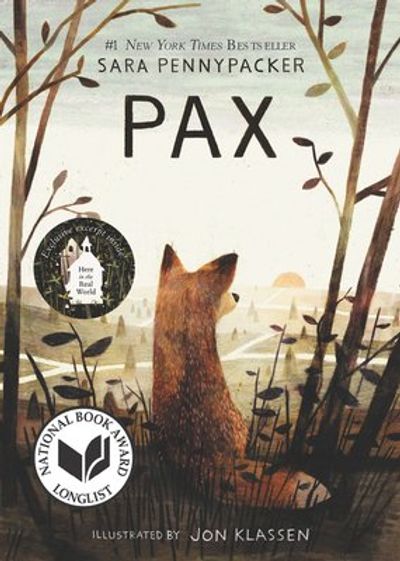
A boy, a fox, and a war neither started.
✦ READ – REFLECT → RESIST
Salt to the Sea
Ruta Sepetys
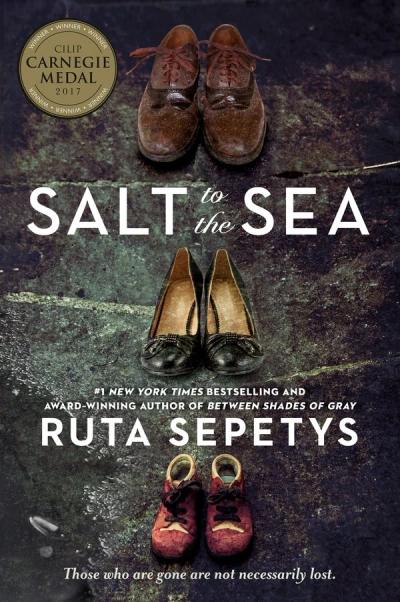
Four teens, one ship, history's deadliest sinking.
✦ READ – REFLECT → RESIST