

Eichmann in Jerusalem: A Report on the Banality of Evil
by Hannah Arendt
The banality of evil, reported from the courtroom.
For you if
you wonder how ordinary people end up running atrocities.
⚡ Choose Your Route ⚡
Not sold directly on this site. Support indie bookstores with a new copy, or go sustainable with a used one.
Buy New on Bookshop.orgSupports independent bookstores
— OR —
Find Used on Better World BooksSecondhand & sustainable
$18 MSRP · Paperback
Reference price shown. Other editions may be available.
Arendt went to Jerusalem in 1961 to cover the trial of Adolf Eichmann, who organized the deportation of millions to the death camps. What she found was not a monster but a careerist who spoke in clichés and followed procedure. Her report gave us the phrase the banality of evil, and the question it still raises: what happens when thoughtlessness becomes a job.
Where This Book Lives
Pass with note. Arendt's argument about Jewish council leaders drew fierce criticism in 1963 and still divides historians; her early affair with Heidegger is documented and long past. The book stands on its reporting. Close relatives already in the catalog: The Origins of Totalitarianism and They Thought They Were Free.
Related Viewing
Shares a topic, theme, or setting with this book in the catalog.

Ida(2013)
dir. Paweł Pawlikowski
Same themes: Moral Complicity, War and Atrocity
A novice learns she is Jewish, and what her town hid.
Poland, 1962. Anna is a novice about to take her vows when the mother superior sends her to meet her only living relative, her aunt Wanda, a hard-drinking former state prosecutor. Wanda tells her she is Jewish and that her real name is Ida, and the two women drive into the countryside to find out what happened to her parents. It is shot in black and white, in 82 minutes.
Why it’s here: The film puts Polish complicity in the Holocaust on screen through a quiet road movie. What's punk is Wanda, who once sentenced people for the state and now has to live with it. What's pedagogical is how it handles guilt, memory and what a country hides. Pairs with Number the Stars and Everything is Illuminated.
Where to watch: Prime Video, MUBI; free on Kanopy, Hoopla, Tubi, Plex; rent $2.99 (JustWatch US)Letterboxd ↗

Pan's Labyrinth(2006)
dir. Guillermo del Toro
Same themes: Authoritarianism, War and Atrocity
A girl's fairy tale against Franco's soldiers.
Spain, 1944. Ofelia moves with her pregnant mother to a military outpost run by her stepfather, Captain Vidal, a Francoist officer hunting the last rebels in the hills. She finds a labyrinth and a faun who gives her three tasks to prove she's a lost princess. Del Toro cuts between her fairy tale and the real cruelty around her, and the real one is worse.
Why it’s here: The film sets a child's imagination against fascism and shows imagination winning something that matters. What's punk is Ofelia's disobedience, which is the whole plot. What's pedagogical is how clearly it shows the cruelty of an obedient man. It's violent and not for young kids despite the fairy-tale look. Pairs with The Tin Drum and the fascism bundle.
Where to watch: Rent $5.99 / buy $14.99 on Amazon; no subscription streaming listed (JustWatch US)Letterboxd ↗
Same pattern, different era
Different time, different place. The same thing keeps happening.
Exit Party
Emily St. John Mandel

Two versions of America. Both feel familiar.
✦ READ – REFLECT → RESIST
How to Be a Fascist: A Manual
Michela Murgia

The fascist media playbook, step by step.
✦ READ – REFLECT → RESIST
Just Mercy: A Story of Justice and Redemption
Bryan Stevenson
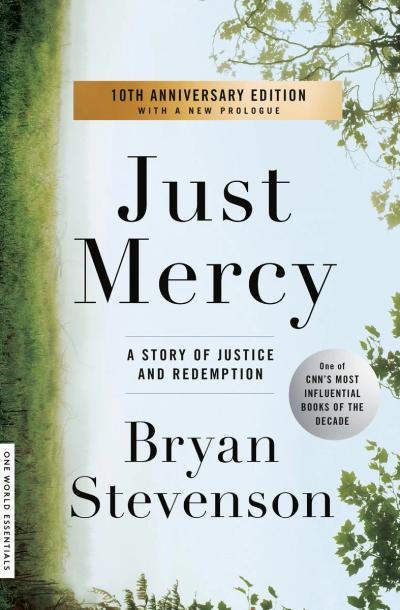
A death row lawyer on who the law is for.
✦ READ – REFLECT → RESIST
Men We Reaped
Jesmyn Ward
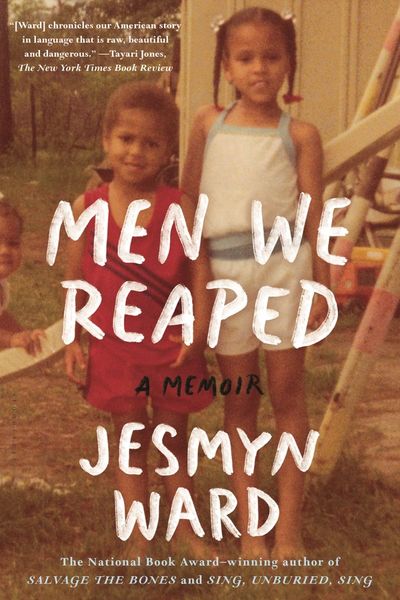
Five young men lost, and the town that let it be.
✦ READ – REFLECT → RESIST
For the family bookshelf
Same idea, written for a younger reader. Good for reading together.
Dreamland Burning
Jennifer Latham
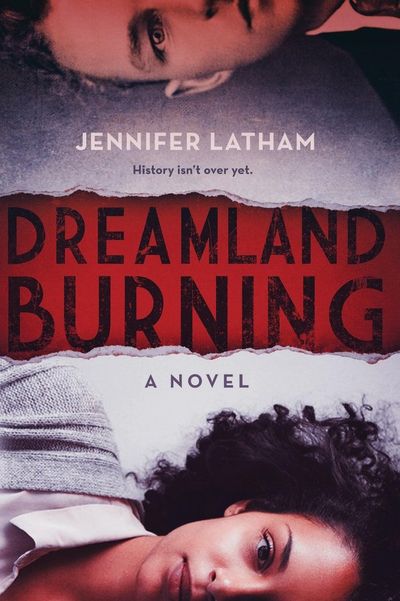
Two Tulsa teens, one buried massacre.
✦ READ – REFLECT → RESIST
Pax
Sara Pennypacker

A boy, a fox, and a war neither started.
✦ READ – REFLECT → RESIST
Salt to the Sea
Ruta Sepetys
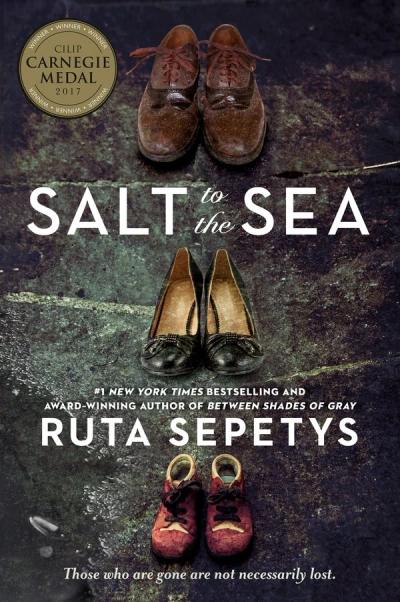
Four teens, one ship, history's deadliest sinking.
✦ READ – REFLECT → RESIST
The Rooster Who Would Not Be Quiet!
Carmen Agra Deedy, illustrated by Eugene Yelchin

The law said be quiet. The rooster disagreed.
✦ READ – REFLECT → RESIST