
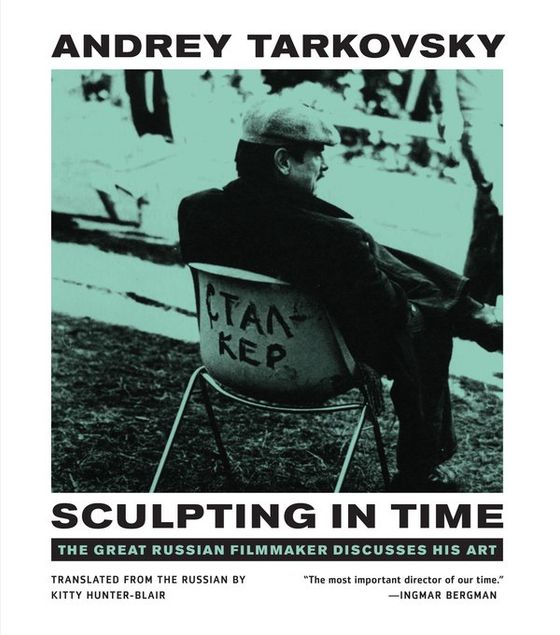
Sculpting in Time: Reflections on the Cinema
by Andrei Tarkovsky
A great director on what film is actually for.
For you if
you want to make something that matters, not just something that plays.
⚡ Choose Your Route ⚡
Not sold directly on this site. Support indie bookstores with a new copy, or go sustainable with a used one.
Buy New on Bookshop.orgSupports independent bookstores
— OR —
Find Used on Better World BooksSecondhand & sustainable
$24 MSRP · Paperback
Reference price shown. Other editions may be available.
Tarkovsky made seven films under the Soviet system, and here he writes about what cinema is for: time, memory, truth and the artist's duty. He talks about how he works with light, silence and long takes, and about the fights with censors that shaped his career. It is an artist's notebook, opinionated and spiritual, and it makes a case for film as a form of thought, not entertainment. A book for anyone who wants to learn what a camera can hold.
Where This Book Lives
Pass with note. Dense and sometimes mystical, with sweeping claims and some views on art and spirituality that are dated or lofty; his comments about other directors are blunt. Tarkovsky defected in 1984, and his Soviet censors are part of the story, not a seam. No documented personal concerns. Reel Workshop tie. Close relatives: In the Blink of an Eye, Film Form / Film Sense, Notes on the Cinematographer and Fellini on Fellini.
Related Viewing
Shares a topic or setting with this book, or several of its themes.
Close-Up(1990)
dir. Abbas Kiarostami
Same themes: Art and Society, Film Theory
A fraud, a trial, and the camera.
In Tehran, a man named Hossein Sabzian is arrested for posing as the filmmaker Mohsen Makhmalbaf to a family who believed he would put them in his next film. Kiarostami reconstructs the case with the real people playing themselves and films the trial. It is a documentary and a drama at once, and it never tells you where one ends.
Why it’s here: The film asks why a man would pretend to be a director and what that says about who gets seen. What's punk is Kiarostami giving a petty fraudster the dignity of explaining himself, with the trial as theatre. What's pedagogical is the structure: reality and reenactment collide, and you see that every film is a construction. A natural companion to the Godard, Bresson and Bazin books in the catalog.
Where to watch: Criterion Channel (subscription)Letterboxd ↗
Man with a Movie Camera(1929)
dir. Dziga Vertov
Same themes: Art and Society, Film Theory
A film about how films are made, in 1929.
A day in Soviet cities, from dawn to a night at the cinema, with no actors, no story and no title cards. A cameraman climbs towers and rides trams while the film shows its own making: the editor at her table, the audience in their seats, a camera that is also a character. Vertov, the director, called it a film language of its own. It is regularly named among the greatest films ever made.
Why it’s here: It's a film about how a film is made, shown as it is made. What's punk is the refusal of story and the joy of cutting reality into a new order. What's pedagogical is that it hands a young viewer the whole grammar of editing, framing and montage without a word of explanation, a perfect fit for the Reel Workshop and DoCR's filmmaking-first launch. Note: silent, 68 minutes, and state-backed, since it celebrates the Soviet project in the late 1920s. Vertov's editor was his wife, Elizaveta Svilova, who appears on screen. Companion to Film Form / Film Sense and In the Blink of an Eye in the catalog.
Where to watch: Free: Kanopy, Darkroom, Fawesome, Filmtap; free with ads: Tubi, Fandango At Home Free; GuideDoc $7.99/mo; rent $1.99 Amazon, $2.99 Fandango At Home, $3.99 Apple TV; buy $7.99 Amazon (JustWatch US, checked 2026-11-10). Verify.Letterboxd ↗
Same pattern, different era
Different time, different place. The same thing keeps happening.
A Girl Is a Body of Water
Jennifer Nansubuga Makumbi
A Ugandan girl asks who the women before her were.
✦ READ – REFLECT → RESIST
A Problem from Hell: America and the Age of Genocide
Samantha Power

'Never again,' again and again.
✦ READ – REFLECT → RESIST
All About Me!: My Remarkable Life in Show Business
Mel Brooks
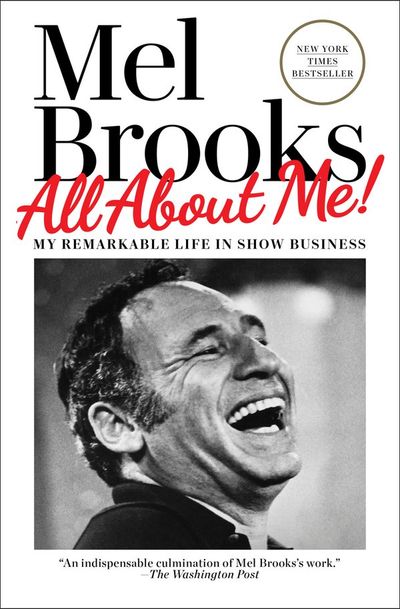
Tyrants hate being laughed at. Mel knew.
✦ READ – REFLECT → RESIST
Aloha Betrayed: Native Hawaiian Resistance to American Colonialism
Noenoe K. Silva
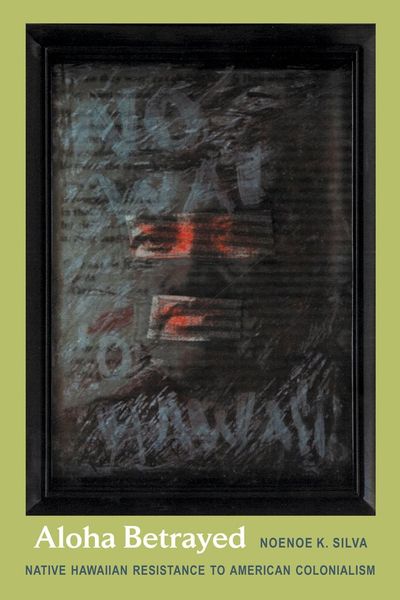
Hawaiians fought annexation. The archive proves it.
✦ READ – REFLECT → RESIST
For the family bookshelf
Same idea, written for a younger reader. Good for reading together.
A Wish in the Dark
Christina Soontornvat
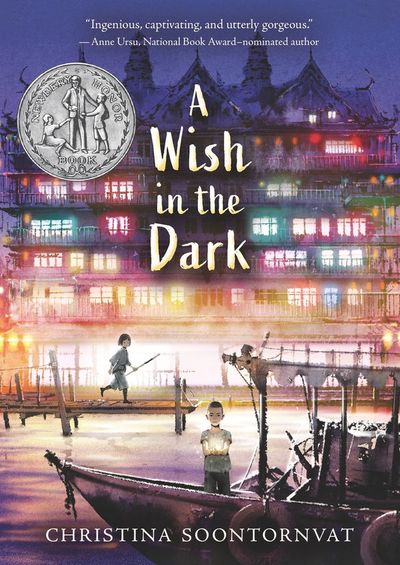
The city's light belongs to those who pay for it.
✦ READ – REFLECT → RESIST
Ada's Violin: The Story of the Recycled Orchestra of Paraguay
Susan Hood

A violin made from a landfill. A real orchestra.
✦ READ – REFLECT → RESIST
Akata Witch
Nnedi Okorafor

A girl who doesn't fit finds a hidden world.
✦ READ – REFLECT → RESIST
Amal Unbound
Aisha Saeed

The debt wasn't hers. The cage is.
✦ READ – REFLECT → RESIST