
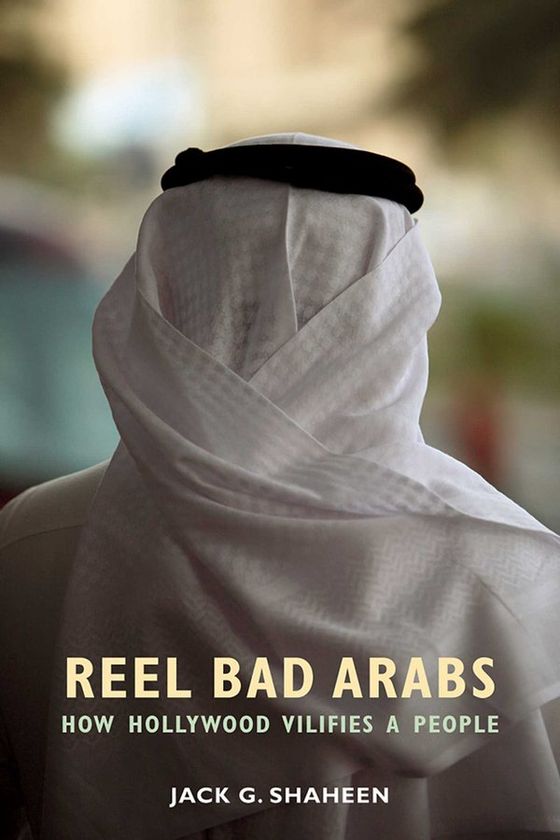
Reel Bad Arabs: How Hollywood Vilifies a People
by Jack G. Shaheen
A hundred years of movies, one lazy stereotype.
For you if
you love movies and want to see what they're teaching you.
⚡ Choose Your Route ⚡
Not sold directly on this site. Support indie bookstores with a new copy, or go sustainable with a used one.
Buy New on Bookshop.orgSupports independent bookstores
— OR —
Find Used on Better World BooksSecondhand & sustainable
$22 MSRP · Paperback
Reference price shown. Other editions may be available.
Shaheen watched more than a thousand Hollywood films, from silent-era shorts to the 2000s, and counted how Arabs appear: as villains, billionaires, belly dancers and terrorists, almost never as neighbors. He names the titles, the tropes and the patterns, and shows how a century of images made a whole people easy to fear. A foundational media-literacy book for anyone who loves movies and wants to see what's inside them.
Where This Book Lives
Pass with note. Published in 2001 and a catalog of films rather than a theory of film; the later-film coverage is dated, and Shaheen (1935-2017) was an openly committed advocate. A real gap in the catalog's film-literacy shelf, which is mostly about directors. Documentary version exists (2006). Close relatives: Orientalism, Ways of Seeing and Mythologies.
Related Viewing
Shares a topic, theme, or setting with this book in the catalog.
Control Room(2004)
dir. Jehane Noujaim
Same themes: Media Critique, Propaganda
The Iraq war told from two newsrooms.
Noujaim spent the weeks of the 2003 Iraq invasion inside Al Jazeera's newsroom in Doha, Qatar, and in the US military's media center nearby. We meet an Al Jazeera producer, a veteran editor and a Marine press officer, and all of them are trying to tell the same war to different audiences.
Why it’s here: The film is a lesson in how the same event becomes two stories. What's punk is the way it takes the network Americans were told to distrust and lets us see how it works. What's pedagogical is that it gives students a frame for asking who is telling this and why. Pairs with Manufacturing Consent and This Is Not Propaganda. Note: made in 2004, so it's a time capsule; the Marine press officer, Josh Rushing, later joined Al Jazeera, which the film doesn't show.
Where to watch: Free: Kanopy, Roku Channel, Tubi (ads), Fandango At Home Free; Dox via Amazon Channel; rent $2.99 on Amazon and Fandango At Home (JustWatch US, checked 2026-08-10, so verify).Letterboxd ↗

Exterminate All the Brutes(2021)
dir. Raoul Peck
Same themes: Propaganda, Race and Identity
Four hours of the colonial story, unsoftened.
A four-part essay-series by the director of I Am Not Your Negro, following the sentence that Conrad's Kurtz wrote on his report in Heart of Darkness. Peck narrates a history of colonialism, genocide and white supremacy from Columbus to the American West to the Congo, mixing archive footage, animation and staged scenes. It is the story the textbooks soften.
Why it’s here: The series connects things the curriculum keeps apart: colonial violence, slavery, the Holocaust, and the ideas that justified each. What's punk is the refusal of the neutral tone, and the fact that it names the thread. What's pedagogical is that it can be paused, discussed and argued with. Pairs with Discourse on Colonialism, Orientalism and King Leopold's Ghost. Note: it is long, essayistic and dense, and some critics call its sweep too broad.
Where to watch: Hulu (HBO original, 4 episodes, per Hulu series page); verify current US availabilityLetterboxd ↗
Same pattern, different era
Different time, different place. The same thing keeps happening.
A Brief History of Neoliberalism
David Harvey
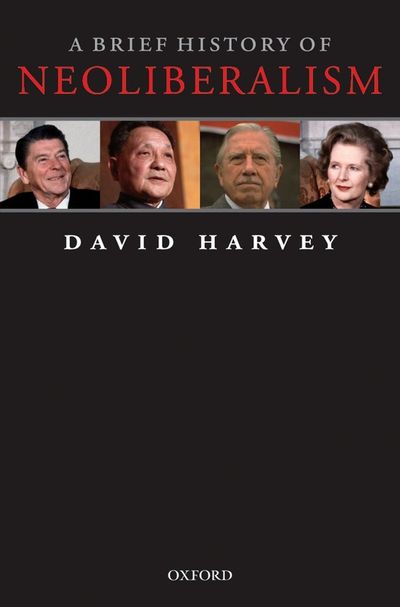
How "free markets" became everyone's common sense.
✦ READ – REFLECT → RESIST
A Peace to End All Peace: The Fall of the Ottoman Empire and the Creation of the Modern Middle East
David Fromkin
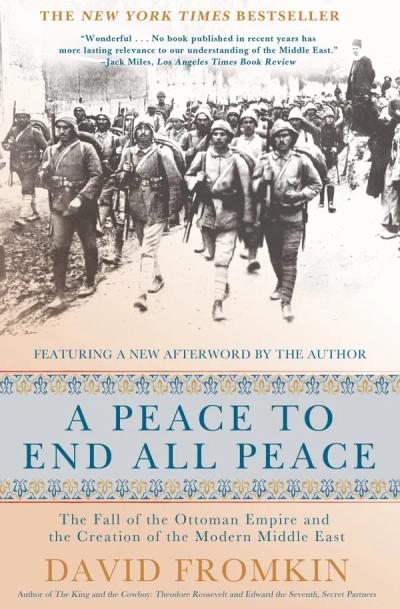
The deals that drew the Middle East in a hurry.
✦ READ – REFLECT → RESIST
A Problem from Hell: America and the Age of Genocide
Samantha Power

'Never again,' again and again.
✦ READ – REFLECT → RESIST
Algorithms of Oppression: How Search Engines Reinforce Racism
Safiya Umoja Noble
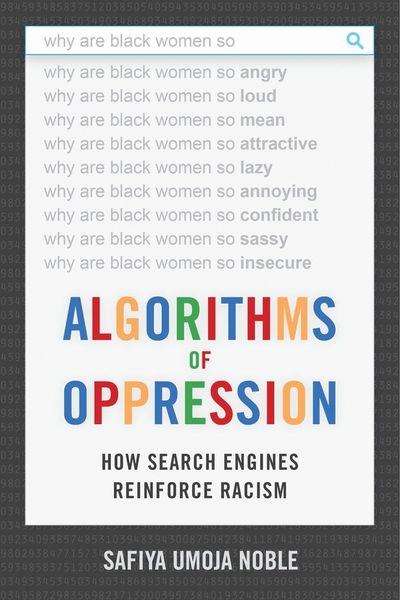
Search isn't neutral. It's an ad business.
✦ READ – REFLECT → RESIST
For the family bookshelf
Same idea, written for a younger reader. Good for reading together.
A Different Pond
Bao Phi

A refugee dad, a fishing pole, and 4 a.m.
✦ READ – REFLECT → RESIST
Akata Witch
Nnedi Okorafor
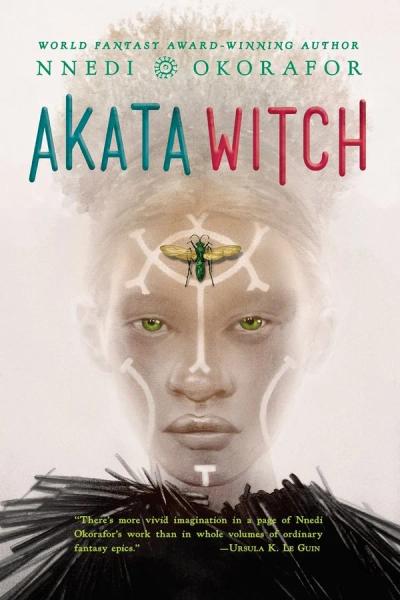
A girl who doesn't fit finds a hidden world.
✦ READ – REFLECT → RESIST
Amazing Grace
Mary Hoffman
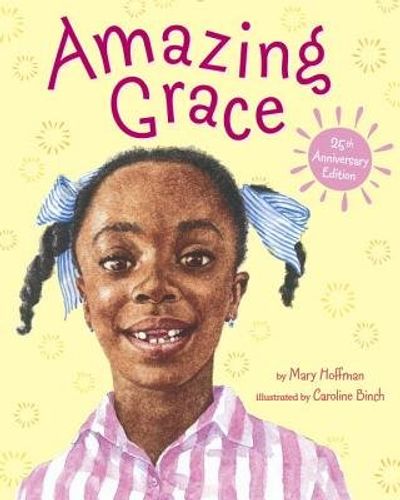
Grace wants to be Peter Pan. Classmates say no.
✦ READ – REFLECT → RESIST
Between Shades of Gray
Ruta Sepetys
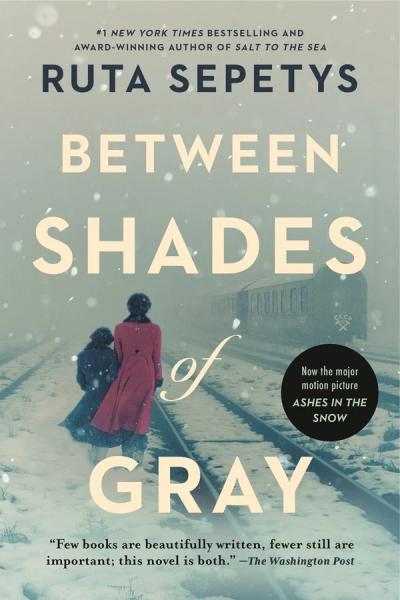
A Lithuanian teen draws her way through Siberia.
✦ READ – REFLECT → RESIST