
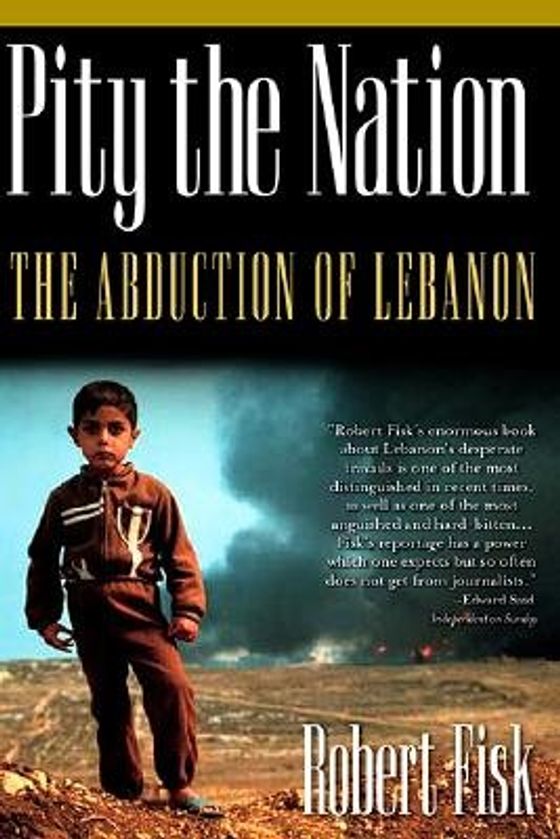
Pity the Nation: Lebanon at War
by Robert Fisk
What happens when the world uses Lebanon.
For you if
you want to understand how a country becomes a proxy war and stops being a country.
⚡ Choose Your Route ⚡
Not sold directly on this site. Support indie bookstores with a new copy, or go sustainable with a used one.
Buy New on Bookshop.orgSupports independent bookstores
— OR —
Find Used on Better World BooksSecondhand & sustainable
$33 MSRP · Paperback
Reference price shown. Other editions may be available.
In 1982, Robert Fisk was one of the first journalists to walk through Sabra and Shatila after the massacre — Lebanese militiamen, operating under Israeli military protection, killed somewhere between 800 and 3,500 Palestinian civilians in three days. This book is what led him there: a decade of reporting from Beirut, watching Lebanon get dismembered by every faction that touched it — the PLO, the Syrians, the Americans, the Israelis, the militias. Fisk's method is journalism at its most demanding: go there, stay there, talk to the people dying. The result is the fullest account of how Lebanon's civil war actually worked — not as a conflict between factions, but as a demonstration of what happens when a small country becomes useful to everyone else's purposes.
Where This Book Lives
- Setting
- Lebanon
- Voice
- An outside perspective on Lebanon
Fisk is the most decorated British foreign correspondent of his era — seven British Press Awards, the Orwell Prize, the Martha Gellhorn Prize. The seam worth naming: his 2018 Douma reporting was criticized for relying on Assad government-arranged sources, and in 2007 he questioned aspects of the 9/11 account in ways some colleagues found irresponsible. That is not what this book is. This is 1990, built on a decade in Beirut, and the pages on Sabra and Shatila — he was one of the first journalists there — are among the most important pieces of war journalism ever written about this region. P&P recommends this book; knowing the later career is part of reading it honestly.
Related Viewing
Shares a topic, theme, or setting with this book in the catalog.
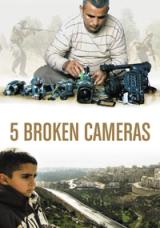
5 Broken Cameras(2011)
dir. Emad Burnat & Guy Davidi
Five cameras destroyed. Every one kept filming.
A Palestinian farmer in Bil'in documents his village's nonviolent resistance to encroaching Israeli settlements over five years, structured around each of his cameras' destruction.
Why it’s here: Shot almost entirely by a Palestinian farmer with no filmmaking background, on cameras that kept getting destroyed and kept getting replaced — testimony in the most literal sense, edited (not directed) into shape by an Israeli co-director after the fact.
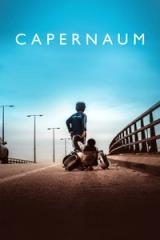
Capernaum(2018)
dir. Nadine Labaki
A kid sues his parents for giving him this life.
A Lebanese boy living on the street sues his parents for having him, and the film unwinds backward through the neglect and poverty that brought him there.
Why it’s here: Cast almost entirely with non-professional actors living some version of the story on screen — a 12-year-old's lawsuit against his own parents is the frame, but the real indictment is everything that made the lawsuit make sense to him.
Same event, different angle
The same history — told by someone who saw it differently.
Mornings in Jenin
Susan Abulhawa

A Palestinian family. Four generations of loss.
✦ READ – REFLECT → RESIST
Cat's Cradle
Kurt Vonnegut
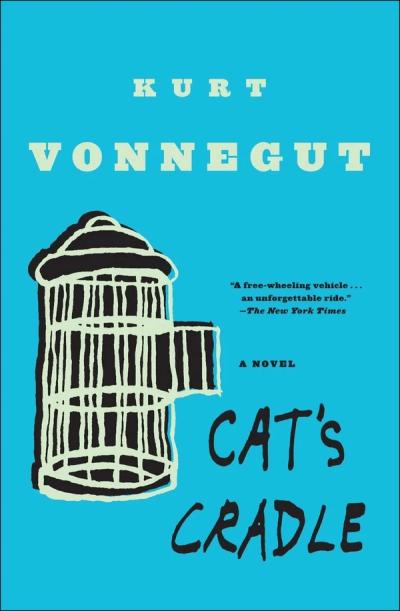
A religion built on lies. A substance that ends the world. Both feel true.
✦ READ – REFLECT → RESIST
This Is Not Propaganda: Adventures in the War Against Reality
Peter Pomerantsev
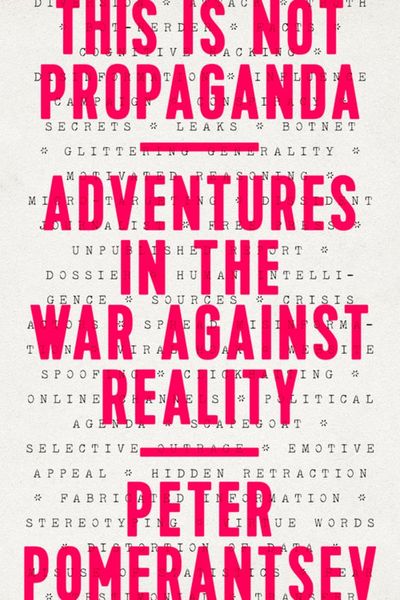
When truth is a weapon, here's how to use it.
✦ READ – REFLECT → RESIST
Anti-Zionism: A Jewish History
Benjamin Moser

The Jewish tradition they tried to bury.
✦ READ – REFLECT → RESIST
Same pattern, different era
Different time, different place. The same thing keeps happening.
American War
Omar El Akkad

The second American Civil War. Told by a Southern refugee.
✦ READ – REFLECT → RESIST
The Hate U Give
Angie Thomas

Witness. Target. Survivor.
✦ READ – REFLECT → RESIST
The Librarian of Auschwitz
Antonio Iturbe
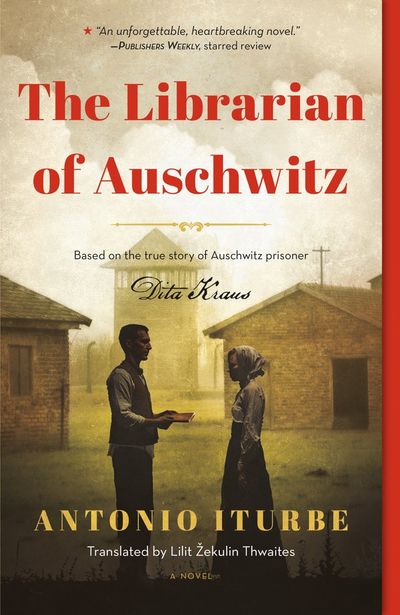
Eight books. One library. One defiant act.
✦ READ – REFLECT → RESIST
The Ethnic Cleansing of Palestine
Ilan Pappé
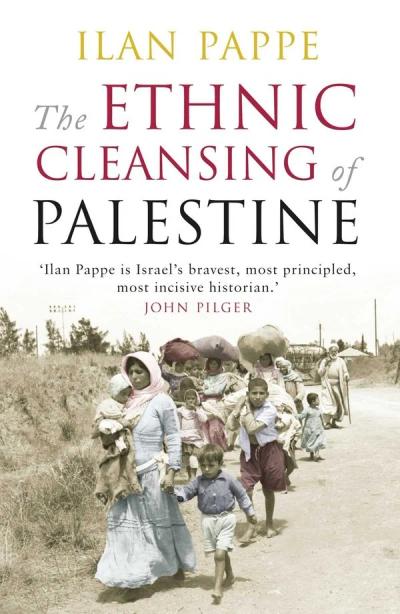
Plan Dalet. Village by village.
✦ READ – REFLECT → RESIST
Flip the lens
Same country. Now hear it from the other side.
Mornings in Jenin
Susan Abulhawa
A Palestinian family. Four generations of loss.
✦ READ – REFLECT → RESIST
Sharon and My Mother-in-Law
Suad Amiry
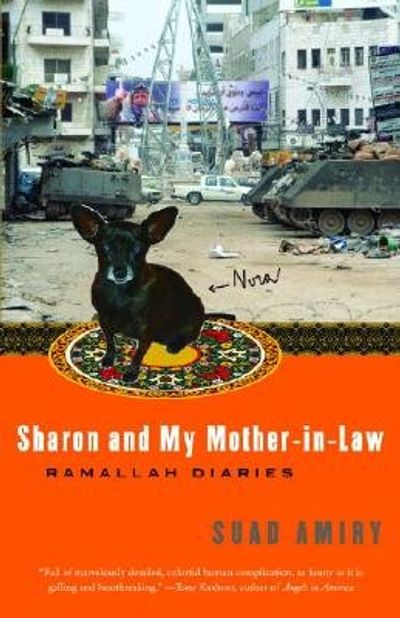
Occupation, curfew, and a very demanding mother-in-law.
✦ READ – REFLECT → RESIST
The Ethnic Cleansing of Palestine
Ilan Pappé
Plan Dalet. Village by village.
✦ READ – REFLECT → RESIST
To the End of the Land
David Grossman
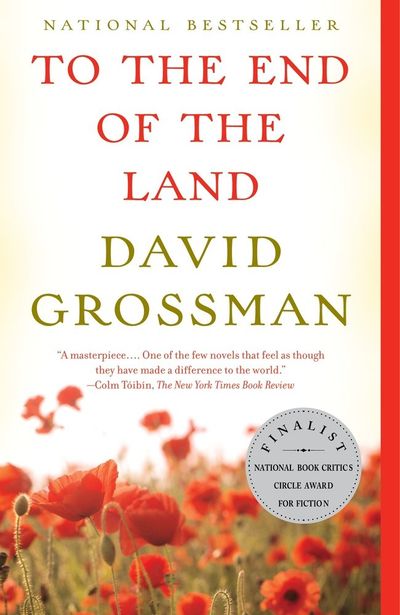
A mother walks Israel to avoid the news of her son.
✦ READ – REFLECT → RESIST
For the family bookshelf
Same idea, written for a younger reader. Good for reading together.