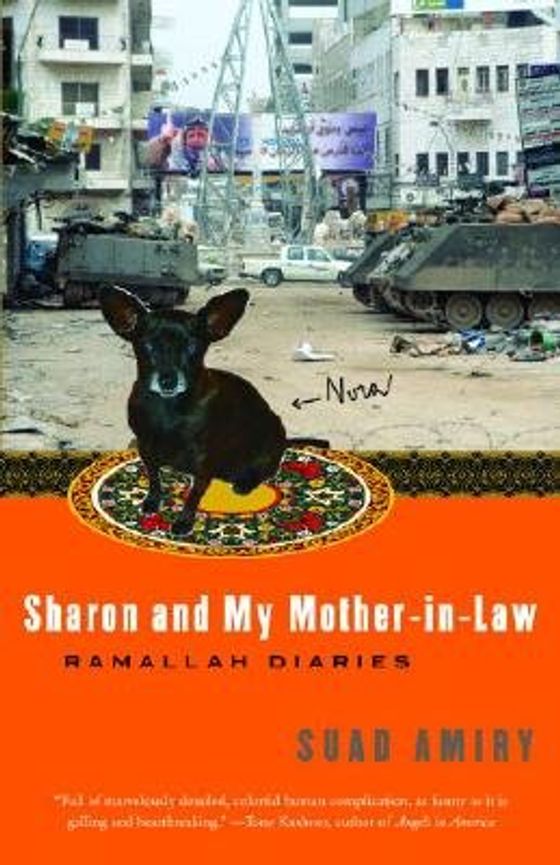
Sharon and My Mother-in-Law
by Suad Amiry
Occupation, curfew, and a very demanding mother-in-law.
For you if
you want to understand life under occupation through the daily texture of it rather than the political summary of it
⚡ Choose Your Route ⚡
Not sold directly on this site. Support indie bookstores with a new copy, or go sustainable with a used one.
Buy New on Bookshop.orgSupports independent bookstores
— OR —
Find Used on Better World BooksSecondhand & sustainable
$21 MSRP
Reference price shown. Other editions may be available.
Amiry is a Palestinian architect living in Ramallah during the second intifada — under curfew, under siege, trying to process the absurdity of daily life under occupation while also dealing with her elderly mother-in-law who has moved in and takes no interest whatsoever in the political situation. The book is funny in a way that is only possible when the alternative to laughter is despair. Amiry writes about checkpoints, military orders, power cuts, and the specific bureaucratic surrealism of occupation in the same register she writes about her mother-in-law's demands. The most humanizing dispatch from inside daily Palestinian life under occupation.
Where This Book Lives
- Setting
- Palestine • Middle East
- Voice
- Written by a Palestinian author
- Topics
- second intifada
Part of a Reading Journey


Related Viewing
Shares a topic, theme, or setting with this book in the catalog.
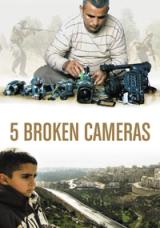
5 Broken Cameras(2011)
dir. Emad Burnat & Guy Davidi
Five cameras destroyed. Every one kept filming.
A Palestinian farmer in Bil'in documents his village's nonviolent resistance to encroaching Israeli settlements over five years, structured around each of his cameras' destruction.
Why it’s here: Shot almost entirely by a Palestinian farmer with no filmmaking background, on cameras that kept getting destroyed and kept getting replaced — testimony in the most literal sense, edited (not directed) into shape by an Israeli co-director after the fact.
Same event, different angle
The same history — told by someone who saw it differently.
Same pattern, different era
Different time, different place. The same thing keeps happening.
For the family bookshelf
Same idea, written for a younger reader. Good for reading together.