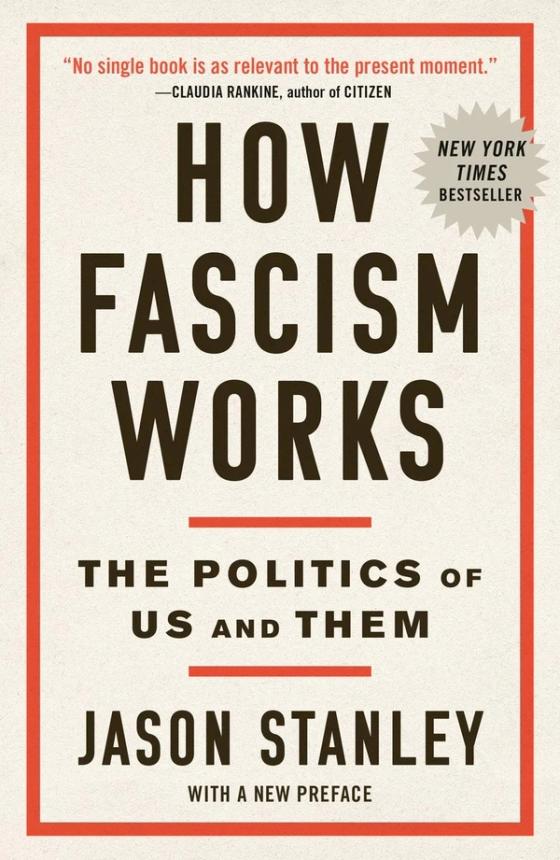
How Fascism Works
by Jason Stanley
Ten tactics. One pattern. Now you'll see it everywhere.
For you if
you want a clear vocabulary for identifying fascist politics in action rather than just a feeling that something is wrong
⚡ Choose Your Route ⚡
Not sold directly on this site. Support indie bookstores with a new copy, or go sustainable with a used one.
Buy New on Bookshop.orgSupports independent bookstores
— OR —
Find Used on Better World BooksSecondhand & sustainable
$19 MSRP
Reference price shown. Other editions may be available.
Stanley is a philosopher at Yale whose father fled Nazi Germany and whose mother survived the Warsaw Ghetto. He spent years studying fascist politics across history and distilled the pattern into ten tactics: the mythic past, propaganda, anti-intellectualism, unreality, hierarchy, victimhood, law and order, sexual anxiety, Sodom and Gomorrah, and us versus them. Each chapter names a tactic and shows it operating across historical and contemporary examples — not to make a partisan argument but to give readers a diagnostic tool. Once you have the vocabulary, you cannot unsee it. The essential companion to How Democracies Die — that book shows the mechanism, this one names the ideology running it.
Where This Book Lives
Part of a Reading Journey

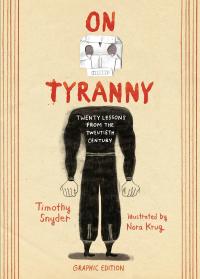

Related Viewing
Shares a topic, theme, or setting with this book in the catalog.
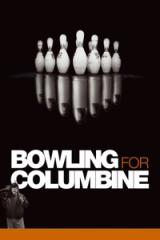
Bowling for Columbine(2002)
dir. Michael Moore
Fear, guns, and the culture that connects them.
Michael Moore investigates the roots of American gun violence and the culture of fear surrounding it, from the Columbine shooting to the NRA's political power.
Why it’s here: Moore's methods aren't neutral, and it's worth knowing that going in — the Heston interview in particular has been widely criticized for selective editing. What survives the criticism is the underlying question about American fear and gun culture, asked louder here than almost anywhere since.

Citizenfour(2014)
dir. Laura Poitras
Filmed in the room where the leak actually happened.
Laura Poitras films Edward Snowden's first meetings with journalists in a Hong Kong hotel room as he hands over evidence of mass NSA surveillance.
Why it’s here: Poitras was already filming when Snowden reached out, so this isn't reconstructed after the fact — it's the actual hotel room, the actual first read of the documents, tension that isn't staged because nobody knew yet how it would end.
Same event, different angle
The same history — told by someone who saw it differently.
Different Seasons
Stephen King
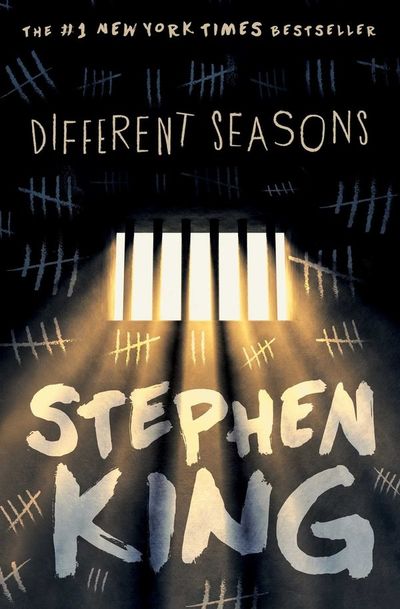
How fascism finds the boy next door.
✦ READ – REFLECT → RESIST
They Thought They Were Free
Milton Mayer

Ten ordinary Nazis. A Jewish journalist. A year of conversations.
✦ READ – REFLECT → RESIST
Look Who's Back
Timur Vermes
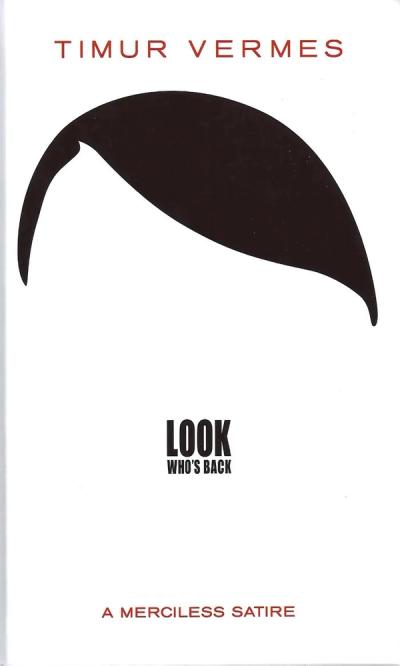
Hitler wakes up in 2011. Gets a TV show. Goes viral.
✦ READ – REFLECT → RESIST
The Librarian of Auschwitz
Antonio Iturbe
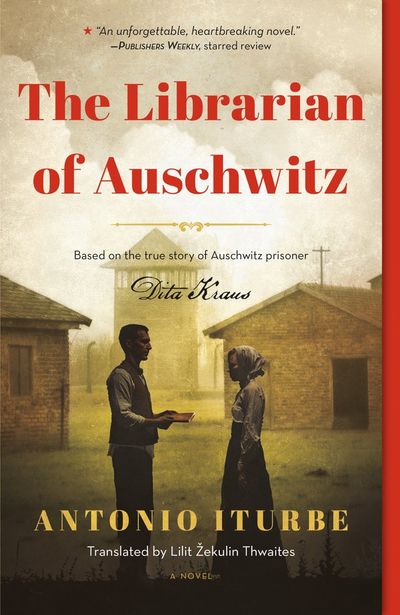
Eight books. One library. One defiant act.
✦ READ – REFLECT → RESIST
Same pattern, different era
Different time, different place. The same thing keeps happening.
Different Seasons
Stephen King
How fascism finds the boy next door.
✦ READ – REFLECT → RESIST
End Times Fascism: And the Fight for the Living World
Naomi Klein and Astra Taylor
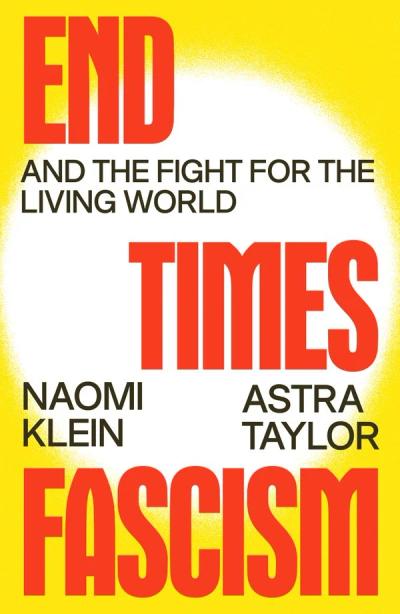
Apocalypse as political strategy.
✦ READ – REFLECT → RESIST
Animal Farm
George Orwell
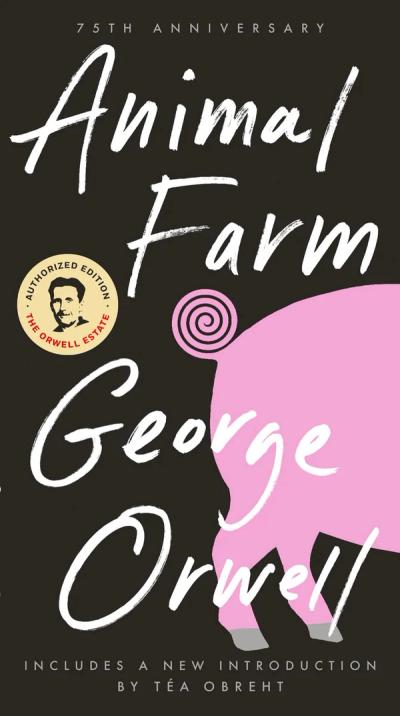
Meet the original gas-lighting pigs.
✦ READ – REFLECT → RESIST
1984
George Orwell
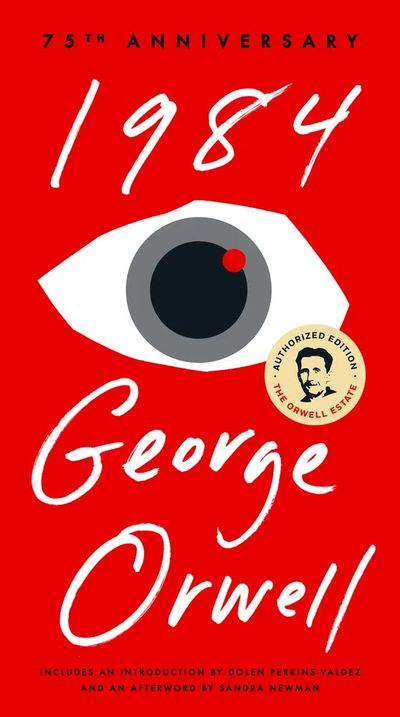
Big Brother still watching your feed.
✦ READ – REFLECT → RESIST
For the family bookshelf
Same idea, written for a younger reader. Good for reading together.