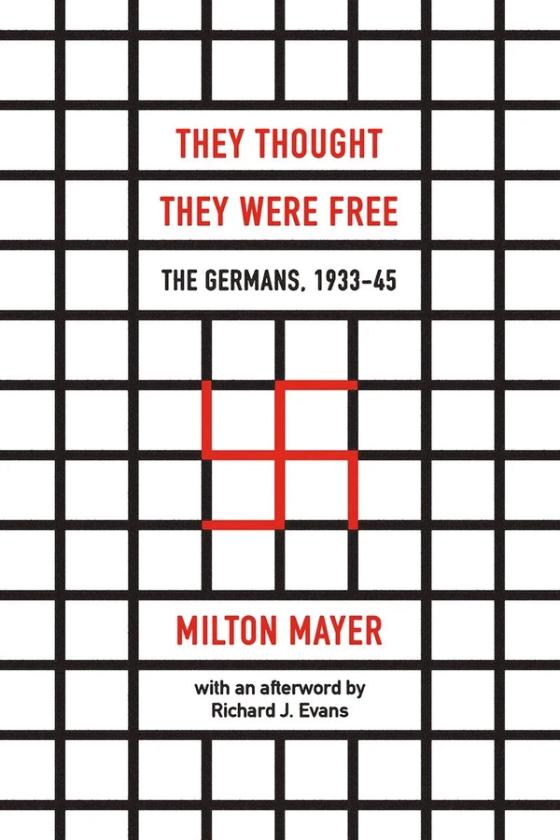
They Thought They Were Free
by Milton Mayer
Ten ordinary Nazis. A Jewish journalist. A year of conversations.
For you if
you want to understand how ordinary people participate in authoritarian movements not through evil but through the slow accumulation of small accommodations
⚡ Choose Your Route ⚡
Not sold directly on this site. Support indie bookstores with a new copy, or go sustainable with a used one.
Buy New on Bookshop.orgSupports independent bookstores
— OR —
Find Used on Better World BooksSecondhand & sustainable
$23 MSRP
Reference price shown. Other editions may be available.
In the early 1950s Mayer — an American Jewish journalist — moved to a small German town and spent a year befriending ten ordinary men who had been members of the Nazi Party. Not monsters. A tailor, a cabinetmaker, a bill collector, a high school teacher. He wanted to understand how it happened from the inside — how ordinary people became participants in something that looked, from inside, like normal life. What he found was that the changes came so gradually, each one small enough to accommodate, that by the time the full picture was visible it was too late to do anything about it. Published in 1955 and more widely read now than at any point since. The most unsettling book on this shelf because its subjects are so recognizable.
Where This Book Lives
- Topics
- nazi germany
Part of a Reading Journey


Related Viewing
Shares a topic, theme, or setting with this book in the catalog.

Citizenfour(2014)
dir. Laura Poitras
Filmed in the room where the leak actually happened.
Laura Poitras films Edward Snowden's first meetings with journalists in a Hong Kong hotel room as he hands over evidence of mass NSA surveillance.
Why it’s here: Poitras was already filming when Snowden reached out, so this isn't reconstructed after the fact — it's the actual hotel room, the actual first read of the documents, tension that isn't staged because nobody knew yet how it would end.

Origin(2023)
dir. Ava DuVernay
Racism is the symptom. Caste is the disease.
While grappling with personal loss, Pulitzer-winning writer Isabel Wilkerson traces a hidden architecture connecting racial hierarchy in America, the caste system in India, and the machinery of Nazi Germany. Adapted from Wilkerson's book Caste: The Origins of Our Discontents.
Why it’s here: Punk in daring to name America's racial order as a caste system, kin to India's and Nazi Germany's, rather than a uniquely American aberration. Pedagogical in dramatizing how a writer's own grief becomes the engine of rigorous, world-spanning research.
Same event, different angle
The same history — told by someone who saw it differently.
Burning the Books: A History of Knowledge Under Attack
Richard Ovenden

Knowledge was always the target.
✦ READ – REFLECT → RESIST
Different Seasons
Stephen King
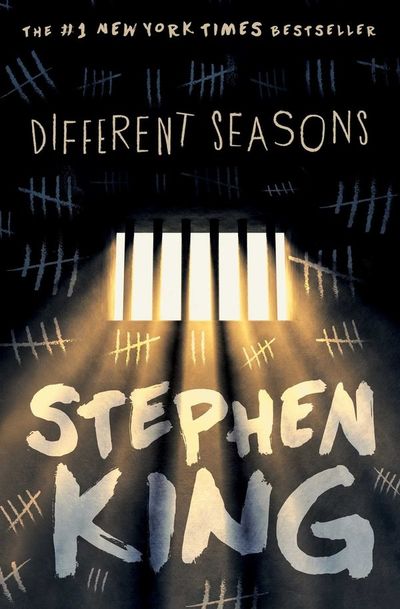
How fascism finds the boy next door.
✦ READ – REFLECT → RESIST
The Tin Drum
Günter Grass
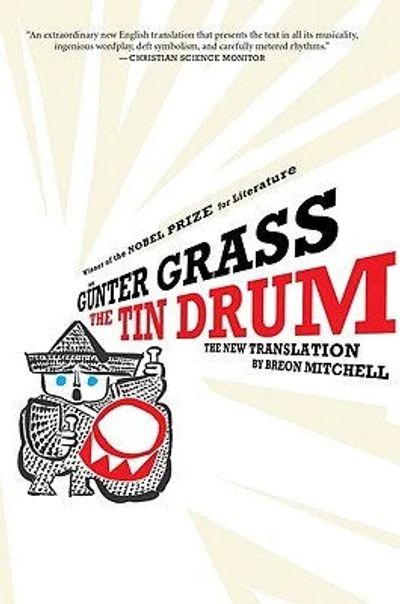
At three, he stops growing and drums at adult lies.
✦ READ – REFLECT → RESIST
Caste
Isabel Wilkerson

India, America, Nazi Germany. Three caste systems. One logic.
✦ READ – REFLECT → RESIST
Same pattern, different era
Different time, different place. The same thing keeps happening.
Autocracy, Inc.: The Dictators Who Want to Run the World
Anne Applebaum
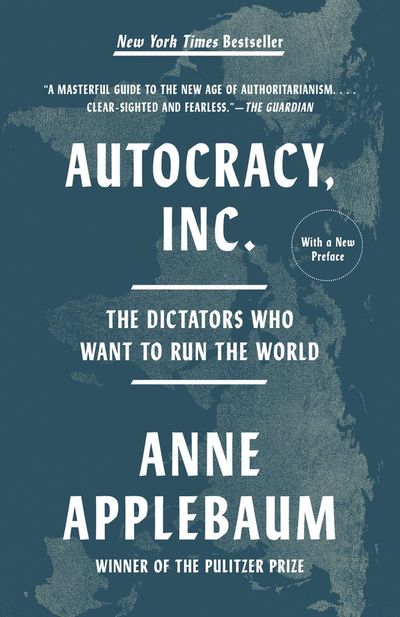
The network behind every strongman.
✦ READ – REFLECT → RESIST
Burning the Books: A History of Knowledge Under Attack
Richard Ovenden
Knowledge was always the target.
✦ READ – REFLECT → RESIST
Different Seasons
Stephen King
How fascism finds the boy next door.
✦ READ – REFLECT → RESIST
End Times Fascism: And the Fight for the Living World
Naomi Klein and Astra Taylor
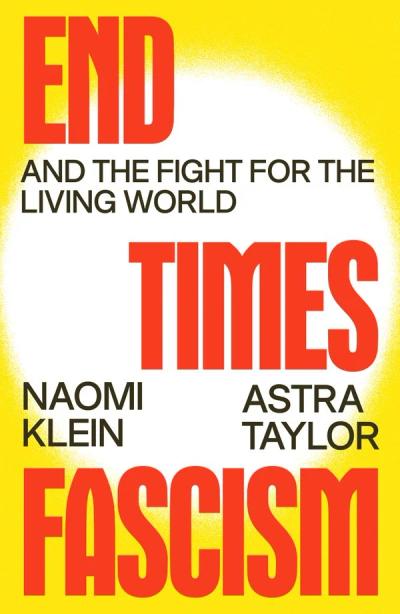
Apocalypse as political strategy.
✦ READ – REFLECT → RESIST
For the family bookshelf
Same idea, written for a younger reader. Good for reading together.