
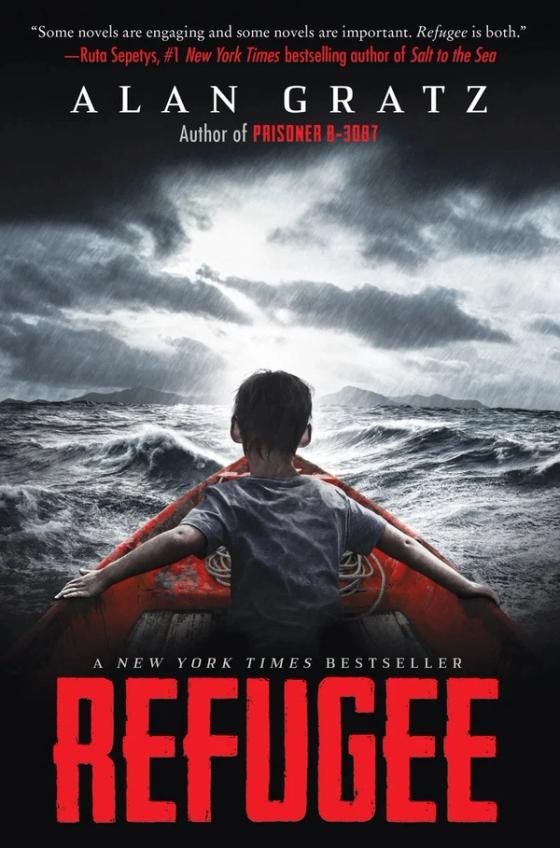
Refugee
by Alan Gratz
Three refugees. Three crises. Seventy-six years apart. One truth.
For you if
your child sees news about refugees and needs a book that puts a specific face, name, and story to what the news makes abstract
⚡ Choose Your Route ⚡
Not sold directly on this site. Support indie bookstores with a new copy, or go sustainable with a used one.
Buy New on Bookshop.orgSupports independent bookstores
— OR —
Find Used on Better World BooksSecondhand & sustainable
$18 MSRP
Reference price shown. Other editions may be available.
Three children, three refugee crises, three decades apart: Josef, a Jewish boy fleeing Nazi Germany on the MS St. Louis in 1939; Isabel, a Cuban girl crossing the Florida Straits on a homemade raft in 1994; Mahmoud, a Syrian boy making the journey across Europe in 2015. Gratz weaves their three stories together in alternating chapters, each one moving toward the same truth — that the experience of being forced to flee, of crossing borders without permission, of arriving somewhere that may or may not receive you, is not a historical exception but a permanent feature of the world that powerful countries prefer to treat as someone else's problem. The three timelines converge in a way that earns its emotional payoff completely. The most widely read middle grade novel about the refugee experience and the one that most effectively builds empathy across time, geography, and crisis — showing children that the person in the news is also a person in a story, with a name and a family and a raft made from inner tubes. New York Times bestseller. Essential for the borders and belonging bundle.
Where This Book Lives
Part of a Reading Journey

Related Viewing
Shares a topic, theme, or setting with this book in the catalog.
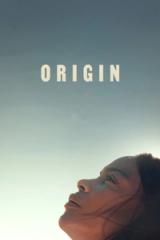
Origin(2023)
dir. Ava DuVernay
Racism is the symptom. Caste is the disease.
While grappling with personal loss, Pulitzer-winning writer Isabel Wilkerson traces a hidden architecture connecting racial hierarchy in America, the caste system in India, and the machinery of Nazi Germany. Adapted from Wilkerson's book Caste: The Origins of Our Discontents.
Why it’s here: Punk in daring to name America's racial order as a caste system, kin to India's and Nazi Germany's, rather than a uniquely American aberration. Pedagogical in dramatizing how a writer's own grief becomes the engine of rigorous, world-spanning research.
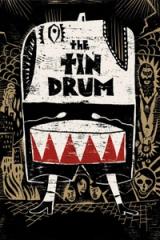
The Tin Drum(1979)
dir. Volker Schlöndorff
A boy who refuses to grow up in a country that won't.
Born in Danzig in 1924 with an adult intellect, Oskar decides to stop growing at age three and watches, tin drum in hand, as Germany slides into Nazism and war. Adapted from Günter Grass's Nobel-adjacent novel.
Why it’s here: Punk in its total commitment to a surreal metaphor — Oskar's stunted body becomes a mirror for a society arresting its own moral development under fascism. Pedagogical, with a real caveat around its content, in using grotesque satire to indict complicity rather than heroism.
Same event, different angle
The same history — told by someone who saw it differently.

Same pattern, different era
Different time, different place. The same thing keeps happening.
For the grown-up bookshelf
Same idea, written for a grown-up. Good for the adult in the room, too.
Burning the Books: A History of Knowledge Under Attack
Richard Ovenden
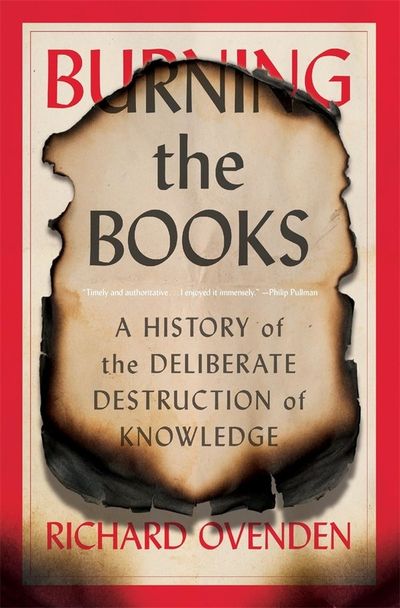
Knowledge was always the target.
✦ READ – REFLECT → RESIST
Different Seasons
Stephen King
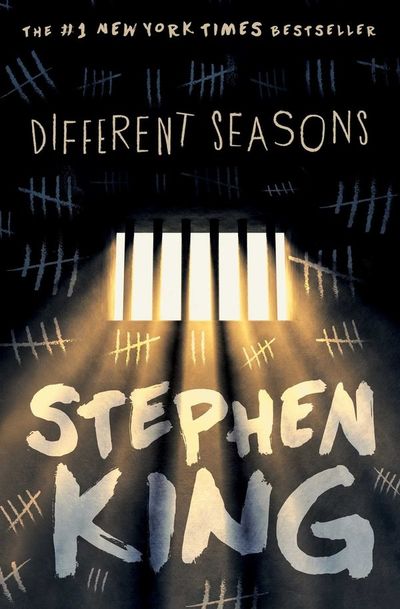
How fascism finds the boy next door.
✦ READ – REFLECT → RESIST
The Tin Drum
Günter Grass
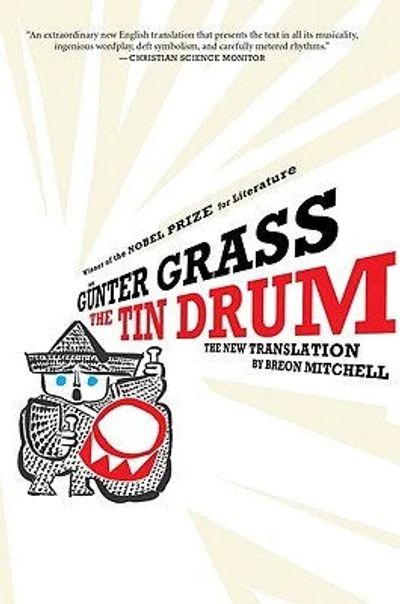
At three, he stops growing and drums at adult lies.
✦ READ – REFLECT → RESIST
Caste
Isabel Wilkerson
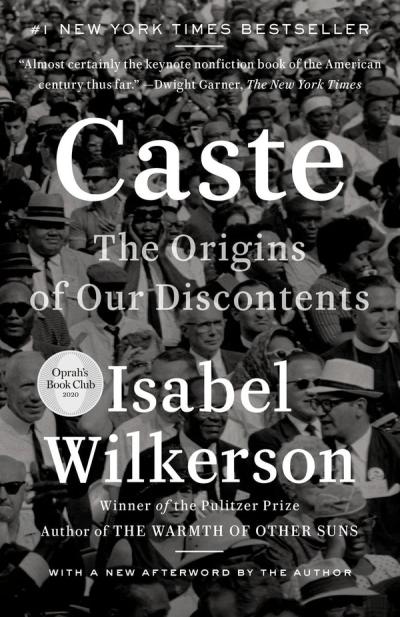
India, America, Nazi Germany. Three caste systems. One logic.
✦ READ – REFLECT → RESIST