
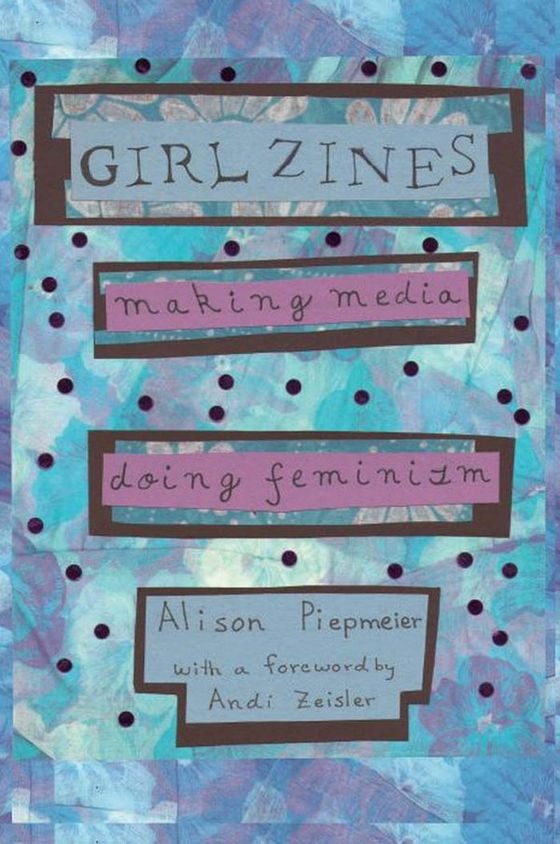
Girl Zines: Making Media, Doing Feminism
by Alison Piepmeier
Photocopies as feminist politics.
For you if
you have a stapler and something to say.
⚡ Choose Your Route ⚡
Not sold directly on this site. Support indie bookstores with a new copy, or go sustainable with a used one.
Buy New on Bookshop.orgSupports independent bookstores
— OR —
Find Used on Better World BooksSecondhand & sustainable
$26 MSRP · Paperback
Reference price shown. Other editions may be available.
Piepmeier looks at the girl zines of the 1990s and 2000s, small, photocopied, hand-assembled and unapologetically personal, and argues they were a form of feminist politics in their own right. The book treats zines as media, not scrapbooks: a way to make yourself public on your own terms. Useful for anyone planning a table at a zine fest.
Where This Book Lives
Pass with note. An academic press book, with readable prose but a scholar's framing, and it focuses on mostly US, mostly white, mostly middle-class zines. Piepmeier (1970-2016) was a gender studies professor with no documented concerns. Close relatives: Notes from Underground (suggested 10-29), Please Kill Me and Lipstick Traces. Ties directly to the P&P zine.
Related Viewing
Shares a topic or setting with this book, or several of its themes.
Dahomey(2024)
dir. Mati Diop
Same themes: Community, Courage
A looted statue goes home and speaks.
In 2021, twenty-six royal treasures looted by French troops from the Kingdom of Dahomey in 1892 are returned to Benin. Diop follows one artifact, a statue numbered 26, as it is packed up in Paris and carried home, and ends with Beninese students arguing over what the return means and who it is for. Part documentary, part essay, with the statue itself given a voice.
Why it’s here: It's a film about what it takes to return what was taken. What's punk is a statue that speaks and a room of students who tell the government it's not enough, twenty-six pieces out of thousands. What's pedagogical is the debate at the end: who owns history, and who decides? Pairs with Open Veins of Latin America, King Leopold's Ghost and Discourse on Colonialism. Note: short (68 minutes), slow and poetic; French, Fon and English with subtitles.
Where to watch: Subscription: MUBI ($14.99/mo after 7-day trial); rent $4.99-5.99 on Amazon, Apple TV, Fandango At Home; buy $14.99 (JustWatch US, checked 2026-08-24, so re-check). Verify.Letterboxd ↗
Ikiru(1952)
dir. Akira Kurosawa
Same themes: Activism, Community
A bureaucrat with six months to build one thing.
Watanabe is a Tokyo city-hall bureaucrat who has stamped papers for thirty years. When he learns he is dying, he spends his savings on a night out, finds it empty, and then returns to his office to push through a request from mothers who want a children's playground built on a swamp. The film is in two halves, the second set at his wake.
Why it’s here: The film is about the paperwork that stops anything from being built, and the one man who decides to defeat it. What's punk is the war on bureaucracy, and the wake scene where his colleagues take credit. What's pedagogical is a lesson in how a small act inside a system gets shaped by the people who tell the story after. Kurosawa's memoir is in the catalog as Something Like an Autobiography.
Where to watch: Free on Kanopy; Criterion Channel; HBO Max; rent $2.99 on Amazon and Fandango At Home (unsub.tv and Criterion Channel, Oct 2026)Letterboxd ↗
Same pattern, different era
Different time, different place. The same thing keeps happening.
A Girl Is a Body of Water
Jennifer Nansubuga Makumbi
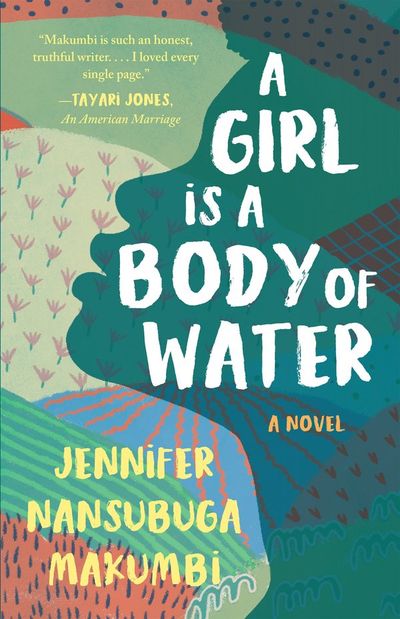
A Ugandan girl asks who the women before her were.
✦ READ – REFLECT → RESIST
A Problem from Hell: America and the Age of Genocide
Samantha Power

'Never again,' again and again.
✦ READ – REFLECT → RESIST
Algorithms of Oppression: How Search Engines Reinforce Racism
Safiya Umoja Noble
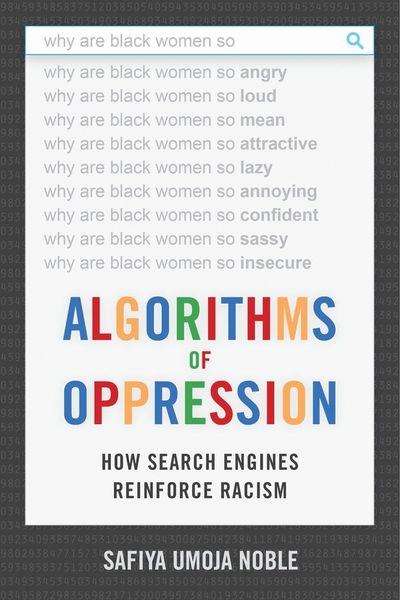
Search isn't neutral. It's an ad business.
✦ READ – REFLECT → RESIST
Amusing Ourselves to Death: Public Discourse in the Age of Show Business
Neil Postman
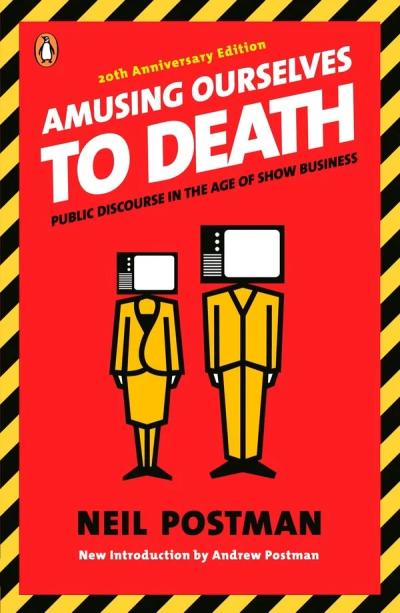
The medium is the message, and it is selling you.
✦ READ – REFLECT → RESIST
For the family bookshelf
Same idea, written for a younger reader. Good for reading together.
A Different Pond
Bao Phi
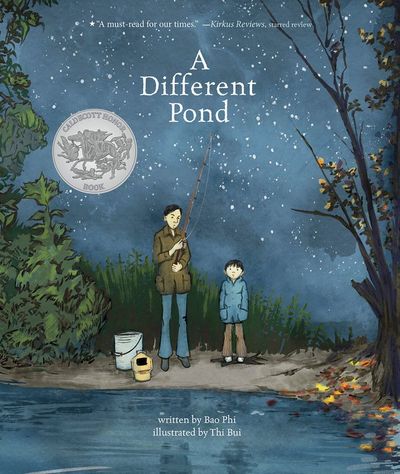
A refugee dad, a fishing pole, and 4 a.m.
✦ READ – REFLECT → RESIST
Ada's Violin: The Story of the Recycled Orchestra of Paraguay
Susan Hood
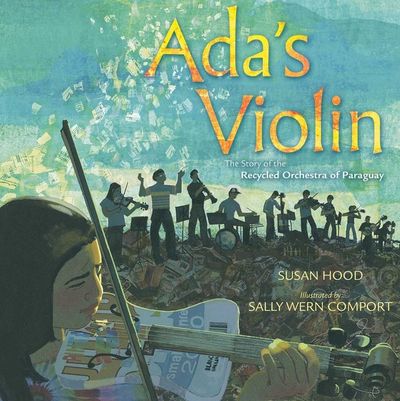
A violin made from a landfill. A real orchestra.
✦ READ – REFLECT → RESIST
Akata Witch
Nnedi Okorafor
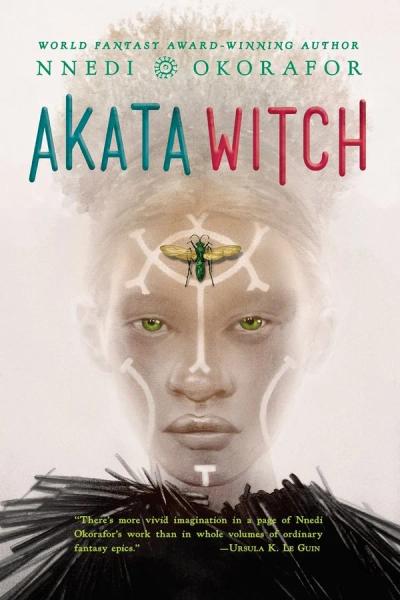
A girl who doesn't fit finds a hidden world.
✦ READ – REFLECT → RESIST
Amal Unbound
Aisha Saeed
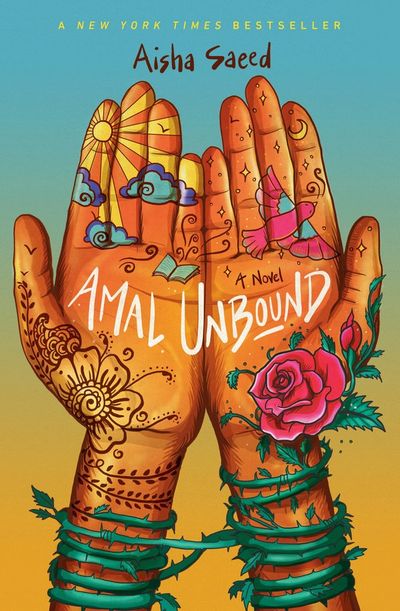
The debt wasn't hers. The cage is.
✦ READ – REFLECT → RESIST