

The Strike With No End Date
Madrid’s teachers walked out with no end date. Defending a school you’d redesign isn’t a contradiction. It’s where building starts.
Chrissie Muggeridge · October 16, 2026
On Wednesday, October 14, public school teachers in the Community of Madrid began a strike with no end date. Organizers said about 70,000 people marched from Atocha to Puerta del Sol. The Government Delegation put it at 25,000. Every crowd count is a political act, and this one got two.
The banner at the front was plain: We defend public education, we defend the future.
Reports list the demands as better pay, smaller classes, repairs to crumbling buildings, and an end to what the strikers call the privatization of the system. Madrid’s regional government has its own account, and you should hear it. But the shape of the thing is clear. A lot of adults who spend every day inside a school decided the school was worth losing wages for.
The awkward part
Here is what makes the Make Something Better stage harder than it sounds. If you’ve read this far into the arc, you probably have complaints about school. The sorting, the compliance, the way curiosity gets graded. You’ve been told it’s a machine.
You’ve also been told, somewhere, that the machine is the problem.
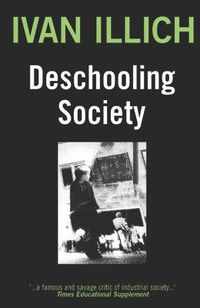
Ivan Illich made that case as hard as anyone has. Deschooling Society argues that institutions teach us to confuse the ritual with the thing: that we come to believe learning is what happens when you’re enrolled, and that nothing real happens outside the building. Read it and you start to see the machinery everywhere.
So why would anyone who read Illich stand in a street defending a school?
What the burners forget
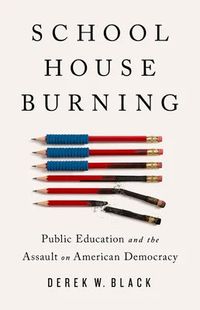
Derek Black’s Schoolhouse Burning gives the answer in its title. Public education in this country was built by people who fought for it, and it’s being taken apart by people who know exactly what they’re doing. You can’t redesign what you’ve already let someone else sell. Black’s argument is that the institution is a democratic achievement, and that “fix it later” quietly becomes “lose it now.”
That is the move the strikers are making. They aren’t saying the school is perfect. They are saying a school you can still argue with is worth more than the privatized replacement where you can’t.
The builders’ answer
bell hooks wrote about the classroom as a place where education could be “the practice of freedom,” and she wrote it from inside classrooms, not from outside them. Teaching to Transgress is a book by someone who stayed in the building and changed what happened in it. The point isn’t to love the institution. It’s that the teacher in the room has real power, and real power is what you use.
Paulo Freire’s Pedagogy of Hope goes further. He wrote it to revisit his own earlier work, and it argues that hope isn’t a mood you wait for. It’s a practice, something you do with other people on purpose. A strike with no end date is hope as practice, not as a feeling.
What to take from it
Make Something Better isn’t “burn it down and plant a garden.” It’s the less glamorous version. Keep what’s worth keeping. Fight for it in public, with your name on it, while you also argue about what it should become. The people marching in Madrid can believe schools need to change and refuse to hand them over. Those aren’t two positions. They’re one job.
Nobody builds on land they’ve already surrendered.
Sources:
El Salto: first day of the strike (Spanish)
Breakthrough News: Madrid strike
Related Reading
Schoolhouse Burning
Derek W. Black
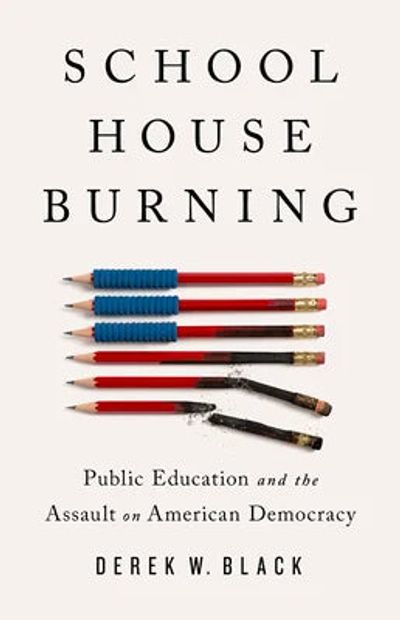
Public schools are the backbone of democracy.
✦ READ – REFLECT → RESIST
Deschooling Society
Ivan Illich

Schools don't educate. They certify. Illich proves it.
✦ READ – REFLECT → RESIST
Teaching to Transgress
bell hooks
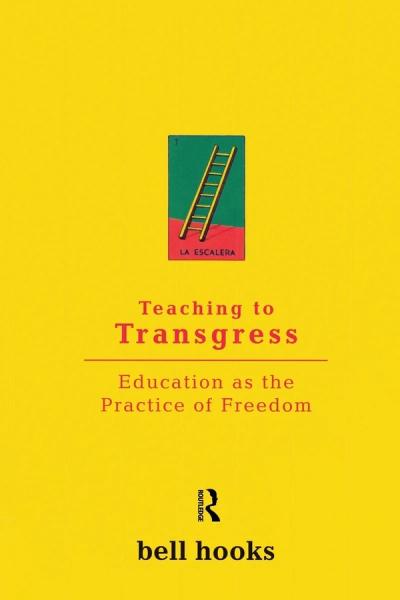
Break the rules. Bring the kids.
✦ READ – REFLECT → RESIST
Pedagogy of Hope
Paulo Freire
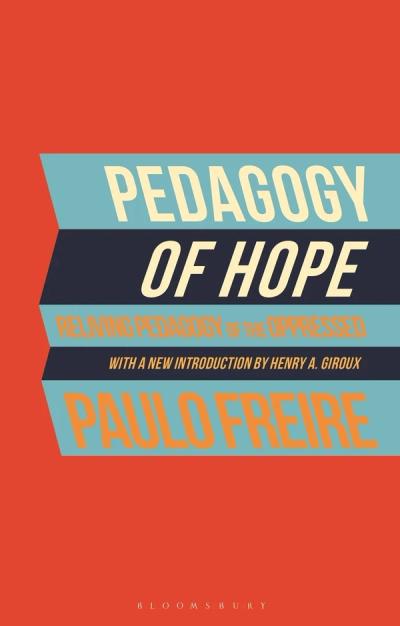
The revolution’s still in session.
✦ READ – REFLECT → RESIST