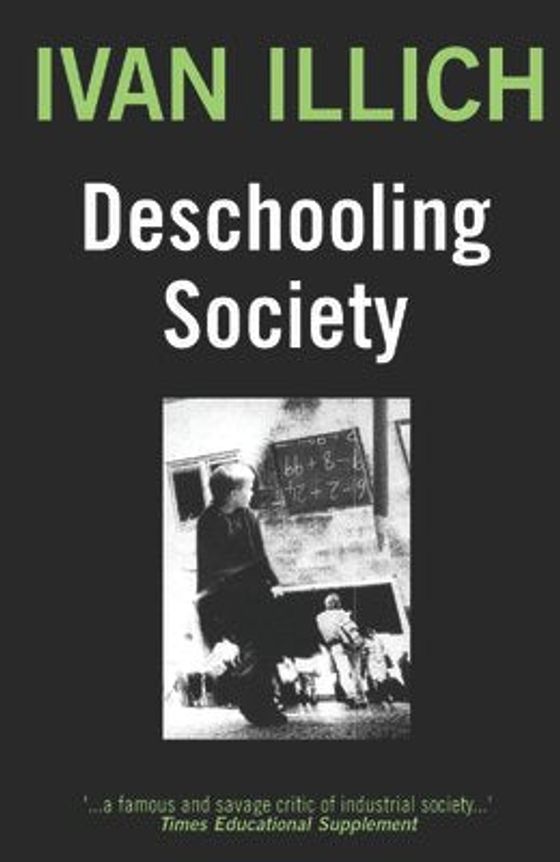
Deschooling Society
by Ivan Illich
Schools don't educate. They certify. Illich proves it.
For you if
you want the most radical possible critique of schooling and are ready for the argument that the institution itself is the problem
⚡ Choose Your Route ⚡
Not sold directly on this site. Support indie bookstores with a new copy, or go sustainable with a used one.
Buy New on Bookshop.orgSupports independent bookstores
— OR —
Find Used on Better World BooksSecondhand & sustainable
$17 MSRP
Reference price shown. Other editions may be available.
Illich published this in 1971 and it remains the most radical critique of institutional education ever written. His argument: schools do not educate, they certify. They teach children that learning requires a teacher, that knowledge requires an institution, that your worth is determined by how many years you have spent in the system being processed by it. The actual content of what is learned matters less than the lesson the structure teaches — that you are a passive recipient of knowledge dispensed by credentialed authorities, that your curiosity is only legitimate when it has been approved and scheduled. Illich proposed instead learning webs, skill exchanges, and peer matching — a vision of education woven back into the fabric of daily life that prefigured the internet, the maker movement, and the Department of Childish Revolution (DoCR) model by decades. Dense, visionary, essential. The book that Freire, hooks, Gatto, and Gray are all in conversation with, whether they name it or not. The most complete philosophical case that the institution itself is the problem, not the people inside it.
Where This Book Lives
Related Viewing
Shares a topic, theme, or setting with this book in the catalog.
Most Likely to Succeed(2015)
dir. Greg Whiteley
The best case for project-based learning, with caveats.
A year inside High Tech High, a San Diego charter school built entirely around project-based learning instead of standardized instruction, following two classes of ninth graders.
Why it’s here: Makes the most vivid case in documentary form for project-based learning over the standard model — but its history of how American schooling got this way has been disputed by actual education historians, and its producers have their own stake in the reform it's arguing for. Worth watching with that critique alongside it, not instead of it.
Same pattern, different era
Different time, different place. The same thing keeps happening.
Impro for Storytellers
Keith Johnstone
Make it up. Mean it anyway.
✦ READ – REFLECT → RESIST
We Want to Do More Than Survive
Bettina L. Love
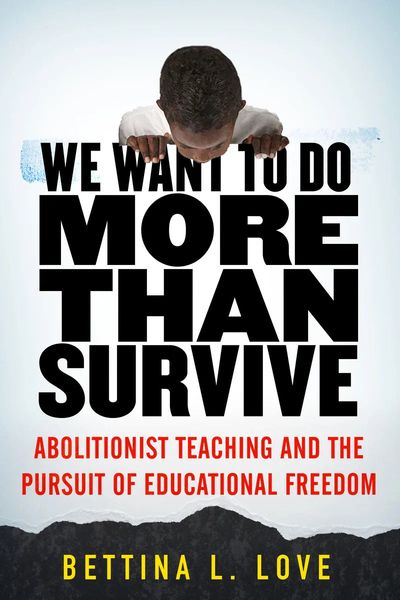
Education as rebellion, not compliance.
✦ READ – REFLECT → RESIST
Pedagogy of Hope
Paulo Freire
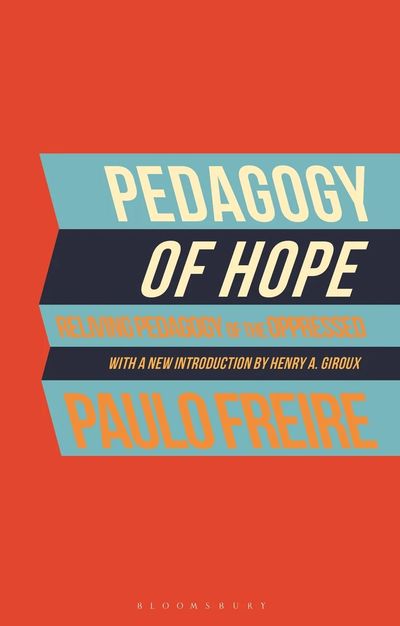
The revolution’s still in session.
✦ READ – REFLECT → RESIST
Teaching Critical Thinking
bell hooks
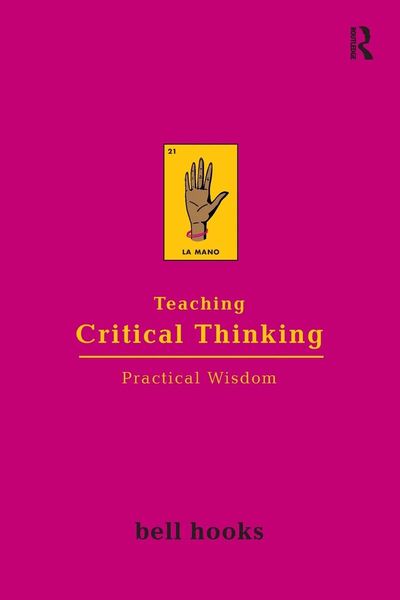
Brain > algorithm.
✦ READ – REFLECT → RESIST
For the family bookshelf
Same idea, written for a younger reader. Good for reading together.
Pedagogy of the Oppressed
Paulo Freire
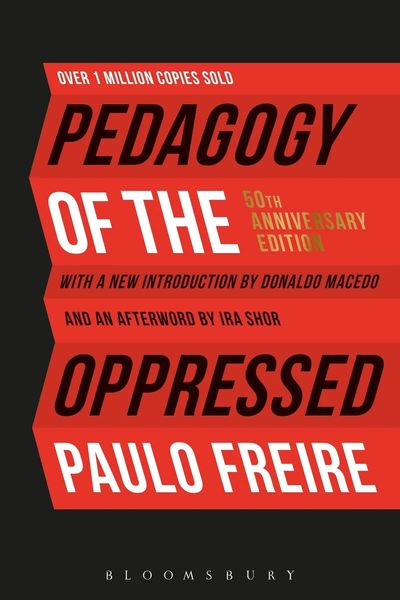
Classroom meets liberation front.
✦ READ – REFLECT → RESIST
The Phantom Tollbooth
Norton Juster
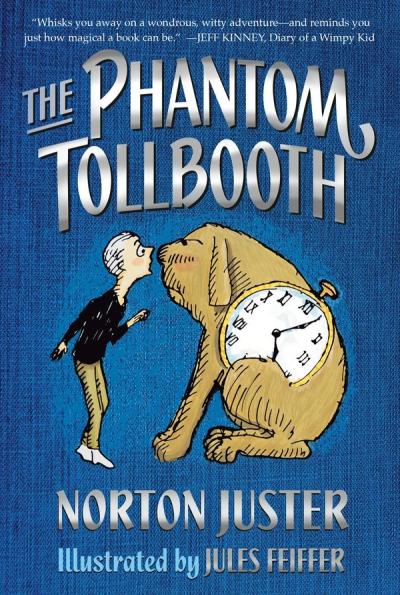
A bored boy drives through a tollbooth. The other side is worth it.
✦ READ – REFLECT → RESIST
Stamped (for Kids)
Jason Reynolds & Ibram X. Kendi
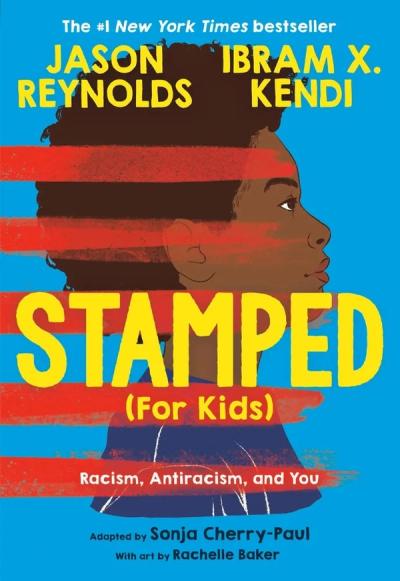
Unlearning racism, one page at a time.
✦ READ – REFLECT → RESIST
The Losers Club
Andrew Clements
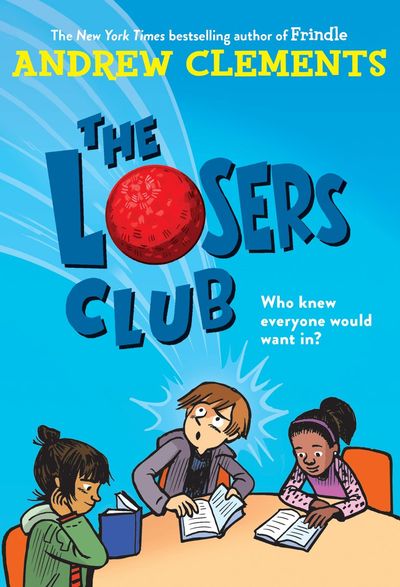
He loves reading. He hates reading club. He starts his own.
✦ READ – REFLECT → RESIST