
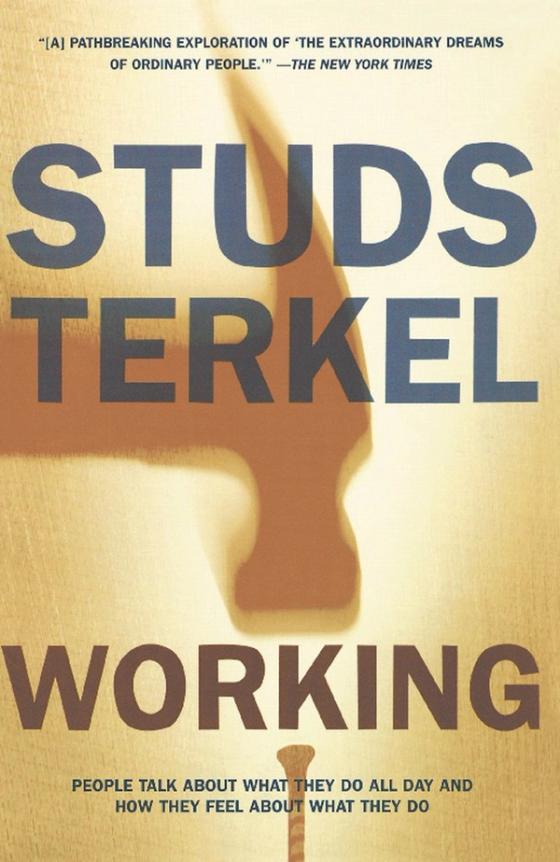
Working
by Studs Terkel
Americans talk about their jobs. All of them. No filter.
For you if
you want to understand what work actually does to people through the people it does it to — in their own words, without anyone explaining what they mean
⚡ Choose Your Route ⚡
Not sold directly on this site. Support indie bookstores with a new copy, or go sustainable with a used one.
Buy New on Bookshop.orgSupports independent bookstores
— OR —
Find Used on Better World BooksSecondhand & sustainable
$25 MSRP
Reference price shown. Other editions may be available.
Terkel spent years with a tape recorder interviewing Americans about their jobs — not economists or executives but the people actually doing the work: gravediggers, waitresses, firefighters, farm workers, parking lot attendants, copy editors, steel workers, and everyone in between. He gave the microphone to people the official culture had decided were not worth listening to and stepped back entirely — no narration, no interpretation, just voices. The result is the most democratic portrait of American labor ever assembled and an implicit indictment of a system that extracts human beings' most productive hours and returns so little of meaning in exchange. Terkel was blacklisted during McCarthyism and kept working anyway. His methodology is the argument: that the people who do the work are the authorities on what the work does to a person, and that a culture that ignores those voices is lying to itself about what it is. The companion to Nickel and Dimed — Ehrenreich works the jobs for a few weeks and reports from outside; Terkel gives the microphone to people who have worked those jobs their entire lives and lets them speak for themselves.
Where This Book Lives
- Topics
- mccarthyism
Related Viewing
Shares a topic, theme, or setting with this book in the catalog.

Salt of the Earth(1954)
dir. Herbert J. Biberman
The labor film blacklisted filmmakers made anyway.
A 1950 New Mexico zinc miners' strike, reenacted by the real Mexican-American families who lived it, made by a blacklisted writer, producer, and director during the height of the Red Scare.
Why it’s here: Made by three men the Hollywood blacklist had already ended the careers of, using real miners and their families as the cast — the labor politics on screen and the circumstances of the film's own making are the same argument, not two separate things.
Same event, different angle
The same history — told by someone who saw it differently.
Brecht on Theatre
Bertolt Brecht

He made theatre political. On purpose. Here's how and why.
✦ READ – REFLECT → RESIST
Burning the Books: A History of Knowledge Under Attack
Richard Ovenden

Knowledge was always the target.
✦ READ – REFLECT → RESIST
The Deviant's War
Eric Cervini
The government fired him for being gay. He sued the government.
✦ READ – REFLECT → RESIST
Same pattern, different era
Different time, different place. The same thing keeps happening.
The Ragged-Trousered Philanthropists
Robert Tressell
Working-class rage before it was trending.
✦ READ – REFLECT → RESIST
The Brazil Reader
Varioius
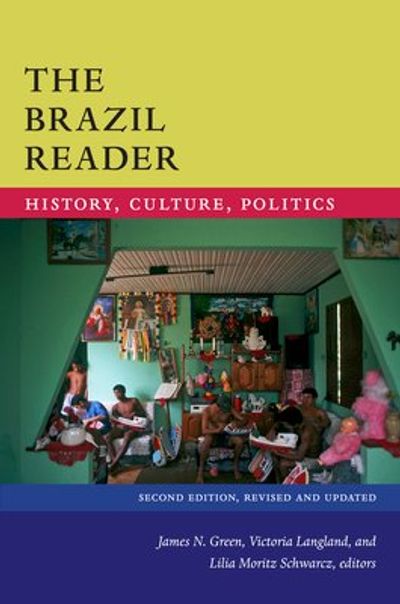
Brazil in every voice it actually has.
✦ READ – REFLECT → RESIST
With His Pistol in His Hand
Américo Paredes

The ballad as the only history the border would allow.
✦ READ – REFLECT → RESIST
Sundiata: An Epic of Old Mali
D.T. Niane
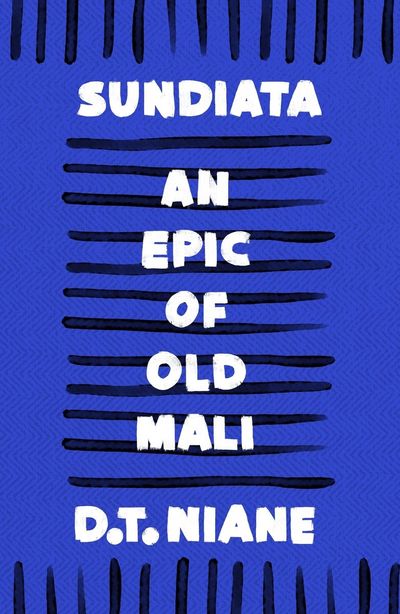
Mali's founding myth, told by griots for 700 years.
✦ READ – REFLECT → RESIST
For the family bookshelf
Same idea, written for a younger reader. Good for reading together.