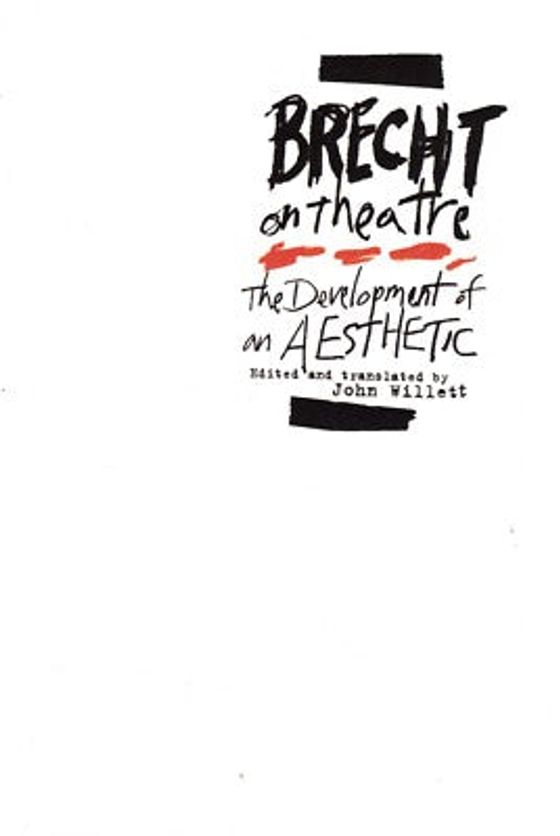
Brecht on Theatre
by Bertolt Brecht
He made theatre political. On purpose. Here's how and why.
For you if
you want to understand how theatre and film can be tools for political consciousness rather than emotional escape — from the man who invented the distinction
⚡ Choose Your Route ⚡
Not sold directly on this site. Support indie bookstores with a new copy, or go sustainable with a used one.
Buy New on Bookshop.orgSupports independent bookstores
— OR —
Find Used on Better World BooksSecondhand & sustainable
$26 MSRP
Reference price shown. Other editions may be available.
Brecht invented Epic Theatre as a direct political weapon against the bourgeois theatrical convention that asks audiences to lose themselves in a story and feel rather than think. He wanted the opposite: an alienated audience — his word — that remained critically aware it was watching a constructed reality, that was never allowed the comfortable emotional release that substitutes for action. The techniques he developed to achieve this — breaking the fourth wall, placards, direct address, actors who comment on their characters rather than becoming them — are now so absorbed into performance culture that their radicalism is invisible. This collection of essays, notes, and fragments is the source: Brecht explaining in his own words what he was doing and why. Exiled by the Nazis, called before HUAC in America, surveilled on two continents simultaneously. The most important theatre theory book on this shelf and the one most directly relevant to what DoCR is building — the tradition of making audiences think rather than feel is the foundation of every filmmaking and storytelling workshop that takes its politics seriously.
Where This Book Lives
- Topics
- mccarthyism
Related Viewing
Shares a topic, theme, or setting with this book in the catalog.

Salt of the Earth(1954)
dir. Herbert J. Biberman
The labor film blacklisted filmmakers made anyway.
A 1950 New Mexico zinc miners' strike, reenacted by the real Mexican-American families who lived it, made by a blacklisted writer, producer, and director during the height of the Red Scare.
Why it’s here: Made by three men the Hollywood blacklist had already ended the careers of, using real miners and their families as the cast — the labor politics on screen and the circumstances of the film's own making are the same argument, not two separate things.
Same event, different angle
The same history — told by someone who saw it differently.
Burning the Books: A History of Knowledge Under Attack
Richard Ovenden
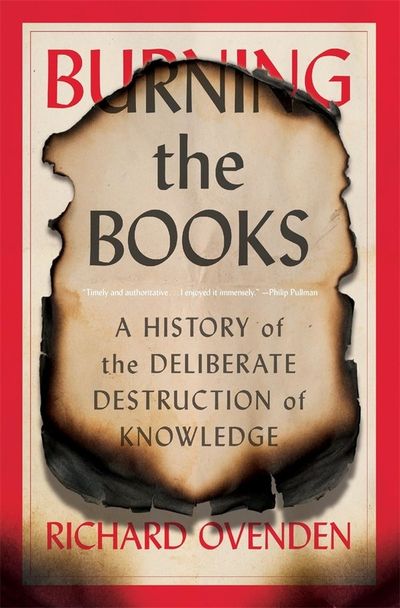
Knowledge was always the target.
✦ READ – REFLECT → RESIST
Working
Studs Terkel
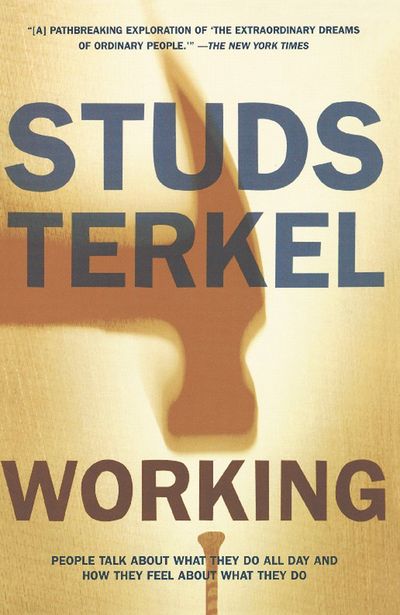
Americans talk about their jobs. All of them. No filter.
✦ READ – REFLECT → RESIST
The Deviant's War
Eric Cervini
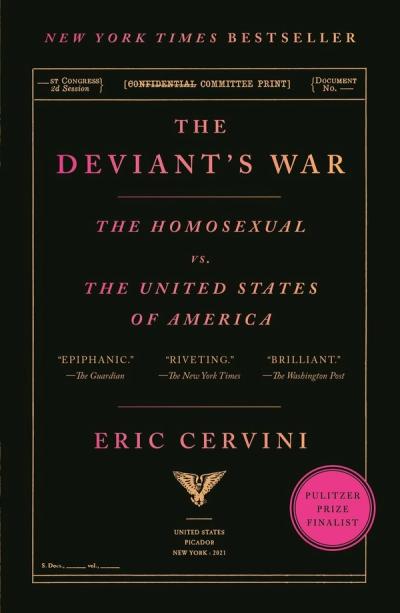
The government fired him for being gay. He sued the government.
✦ READ – REFLECT → RESIST
For the family bookshelf
Same idea, written for a younger reader. Good for reading together.