
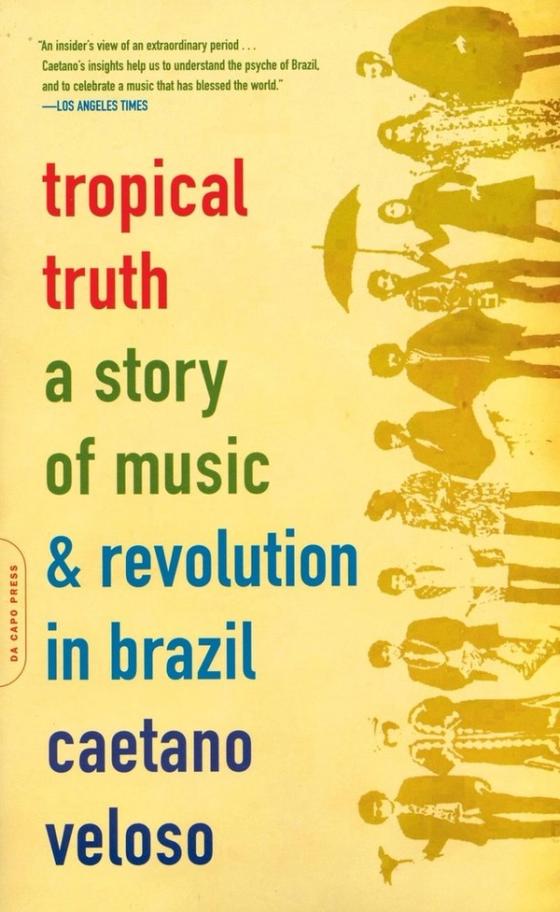
Tropical Truth
by Caetano Veloso
Arrested for electric guitar. The exile is the point.
For you if
you want a manifesto disguised as a memoir, or a memoir that accidentally invents a pedagogy
⚡ Choose Your Route ⚡
Not sold directly on this site. Support indie bookstores with a new copy, or go sustainable with a used one.
Buy New on Bookshop.orgSupports independent bookstores
— OR —
Find Used on Better World BooksSecondhand & sustainable
$17 MSRP
Reference price shown. Other editions may be available.
In late 1960s Brazil, the military dictatorship wasn't just controlling politics — it was controlling what Brazilian culture was allowed to be. Caetano Veloso and a small group of musicians decided the question itself was a trap. Tropicália was their answer: fuse American rock with northeastern folk rhythms, run it through absurdist theater and concrete poetry, and make something so undeniably Brazilian that the gatekeepers on both sides lost their minds. They were arrested in 1968 and exiled to London. This book is the inside account — part memoir, part music criticism, part aesthetic philosophy. But the idea that will stay with you longest is anthropophagy: the Brazilian modernist provocation that culture should work like a cannibal. Consume everything foreign. Digest it completely. Transform it into something entirely your own. Not imitation. Not rejection. Transformation. That's a pedagogy. It's also the P&P thesis in different clothes.
Where This Book Lives
- Setting
- Brazil
- Voice
- Written by a Brazilian author
Related Viewing
Shares a topic, theme, or setting with this book in the catalog.
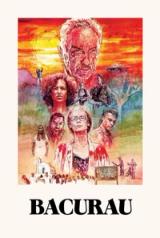
Bacurau(2019)
dir. Kleber Mendonça Filho & Juliano Dornelles
A town disappears from the map. Then the hunt begins.
Days after burying its matriarch, a small town in Brazil's rural sertão vanishes from every map, its water supply is cut, and a group of wealthy foreign mercenaries arrives to hunt its residents for sport — only to discover Bacurau has no intention of dying quietly.
Why it’s here: Punk in turning class rage into genre carnage — a marginalized town doesn't wait for institutions to save it, it arms itself and fights back on its own terms. Pedagogical in showing how disappearing a place from official maps is itself a form of violence, before a single shot is fired.
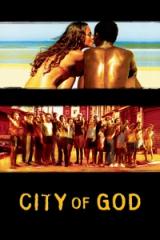
City of God(2002)
dir. Fernando Meirelles & Kátia Lund
Crime starts with having nowhere else to go.
Across three decades in a Rio de Janeiro favela, a would-be photographer named Rocket watches childhood friends rise and fall in an escalating war between rival drug gangs. Adapted from Paulo Lins's novel.
Why it’s here: Punk in refusing poverty-porn distance — Rocket's camera loves this place even while showing exactly how it consumes its kids. Pedagogical in tracing how a neighborhood's violence is manufactured by absence: no jobs, no school, no state, just guns filling the vacuum.
Same event, different angle
The same history — told by someone who saw it differently.
Same pattern, different era
Different time, different place. The same thing keeps happening.
Ambiguous Adventure
Cheikh Hamidou Kane

Sent to learn the enemy's weapons. He loses himself.
✦ READ – REFLECT → RESIST
Return to the Source
Amílcar Cabral
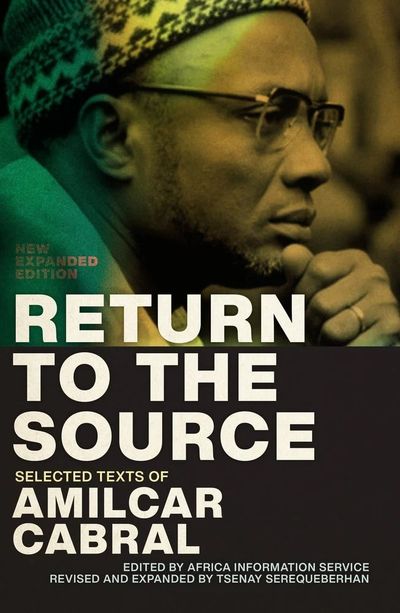
Africa's sharpest revolutionary thinker, his own words.
✦ READ – REFLECT → RESIST
Omeros
Derek Walcott
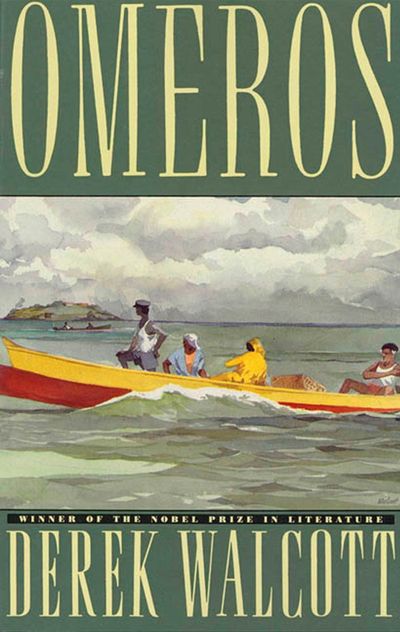
Homer's Odyssey, reborn in the Caribbean.
✦ READ – REFLECT → RESIST
Indian Horse
Richard Wagamese
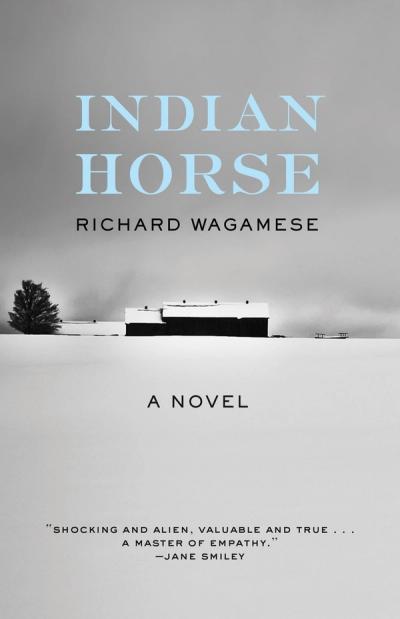
An Ojibwe boy. A residential school. Hockey as the only way out.
✦ READ – REFLECT → RESIST
Flip the lens
Same country. Now hear it from the other side.
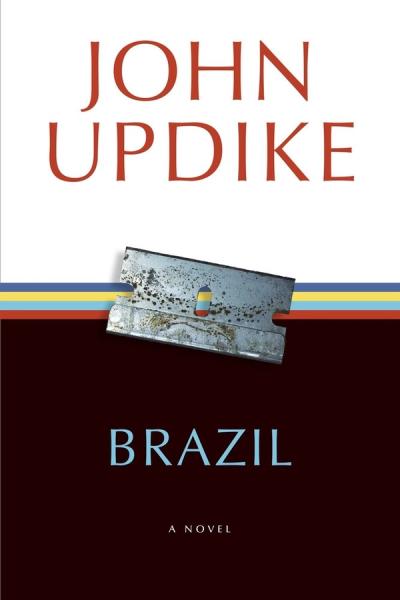
For the family bookshelf
Same idea, written for a younger reader. Good for reading together.
Planting Stories: The Life of Librarian and Storyteller Pura Belpré
Anika Aldamuy Denise
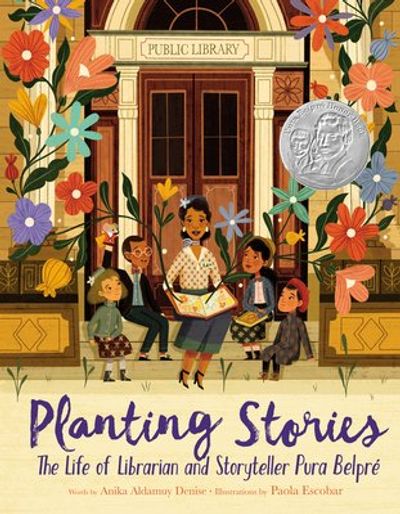
She brought her stories. The library changed.
✦ READ – REFLECT → RESIST
Eyes That Kiss in the Corners
Joanna Ho
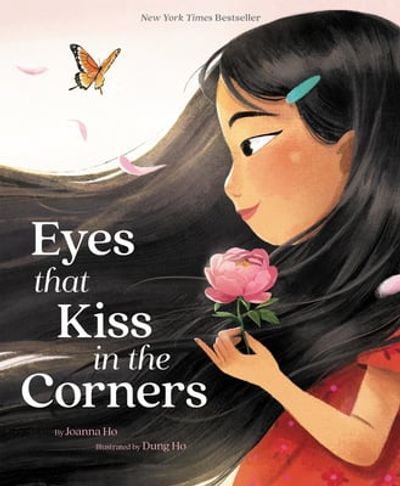
A love letter to seeing yourself.
✦ READ – REFLECT → RESIST
Darius the Great Is Not Okay
Adib Khorram
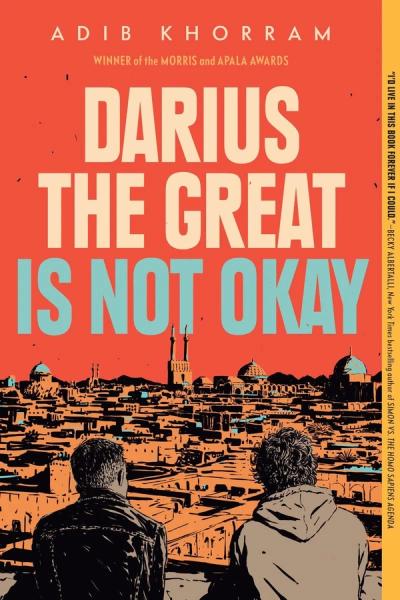
Half-Iranian, depressed, going to Iran. He finds himself there.
✦ READ – REFLECT → RESIST
When We Were Alone
David A. Robertson
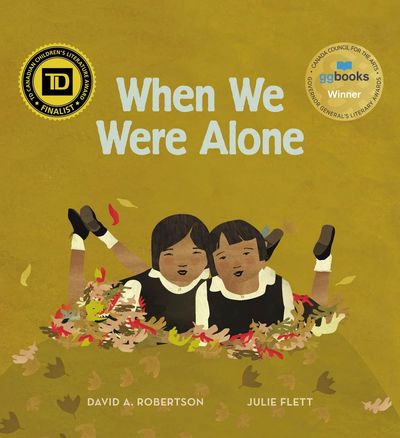
Why does grandma keep her hair long? Because they made her cut it.
✦ READ – REFLECT → RESIST