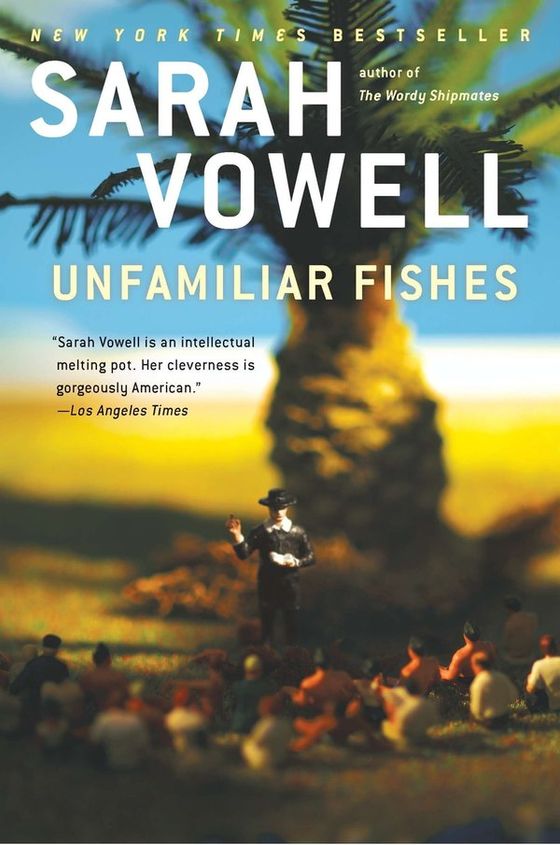
Unfamiliar Fishes
by Sarah Vowell
How America took Hawaii, told with jokes.
For you if
you'd learn your history faster if somebody made it funny.
⚡ Choose Your Route ⚡
Not sold directly on this site. Support indie bookstores with a new copy, or go sustainable with a used one.
Buy New on Bookshop.orgSupports independent bookstores
— OR —
Find Used on Better World BooksSecondhand & sustainable
$18 MSRP · Paperback
Reference price shown. Other editions may be available.
Vowell tells the story of how Hawaii became American: the missionaries who arrived in 1820 with their Bibles and left with the real estate, the sugar planters, the queen who was overthrown, and the 1898 annexation. She does it as a funny, ranging tour, with jokes on every page and a clear, cold view of what the Americans did. The book works as a wry primer in how a nation gets what it wants and then tells itself it was fate.
Where This Book Lives
- Topics
- colonialism
Pass with note. Chatty and digressive, and written by a white American with a missionary ancestry of her own, which she admits; it's a primer, not a Native Hawaiian account, so read it beside Aloha Betrayed (suggested today). Published 2011, so the annexation story is complete but recent sovereignty news isn't. No documented author concerns. Close relatives: Lies My Teacher Told Me, An Indigenous Peoples' History of the United States and The Fatal Shore.
Related Viewing
Shares a topic or setting with this book, or several of its themes.
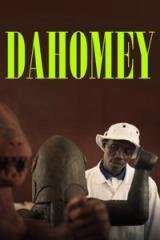
Dahomey(2024)
dir. Mati Diop
Same event: Colonialism · Same theme: Who Tells History
A looted statue goes home and speaks.
In 2021, twenty-six royal treasures looted by French troops from the Kingdom of Dahomey in 1892 are returned to Benin. Diop follows one artifact, a statue numbered 26, as it is packed up in Paris and carried home, and ends with Beninese students arguing over what the return means and who it is for. Part documentary, part essay, with the statue itself given a voice.
Why it’s here: It's a film about what it takes to return what was taken. What's punk is a statue that speaks and a room of students who tell the government it's not enough, twenty-six pieces out of thousands. What's pedagogical is the debate at the end: who owns history, and who decides? Pairs with Open Veins of Latin America, King Leopold's Ghost and Discourse on Colonialism. Note: short (68 minutes), slow and poetic; French, Fon and English with subtitles.
Where to watch: Subscription: MUBI ($14.99/mo after 7-day trial); rent $4.99-5.99 on Amazon, Apple TV, Fandango At Home; buy $14.99 (JustWatch US, checked 2026-08-24, so re-check). Verify.Letterboxd ↗

Exterminate All the Brutes(2021)
dir. Raoul Peck
Same event: Colonialism · Same theme: Who Tells History
Four hours of the colonial story, unsoftened.
A four-part essay-series by the director of I Am Not Your Negro, following the sentence that Conrad's Kurtz wrote on his report in Heart of Darkness. Peck narrates a history of colonialism, genocide and white supremacy from Columbus to the American West to the Congo, mixing archive footage, animation and staged scenes. It is the story the textbooks soften.
Why it’s here: The series connects things the curriculum keeps apart: colonial violence, slavery, the Holocaust, and the ideas that justified each. What's punk is the refusal of the neutral tone, and the fact that it names the thread. What's pedagogical is that it can be paused, discussed and argued with. Pairs with Discourse on Colonialism, Orientalism and King Leopold's Ghost. Note: it is long, essayistic and dense, and some critics call its sweep too broad.
Where to watch: Hulu (HBO original, 4 episodes, per Hulu series page); verify current US availabilityLetterboxd ↗
Same event, different angle
The same history — told by someone who saw it differently.
A Peace to End All Peace: The Fall of the Ottoman Empire and the Creation of the Modern Middle East
David Fromkin
The deals that drew the Middle East in a hurry.
✦ READ – REFLECT → RESIST
Aloha Betrayed: Native Hawaiian Resistance to American Colonialism
Noenoe K. Silva
Hawaiians fought annexation. The archive proves it.
✦ READ – REFLECT → RESIST
Beauty Is a Wound
Eka Kurniawan
Indonesia's century, told by a woman back from death.
✦ READ – REFLECT → RESIST
Black Marxism: The Making of the Black Radical Tradition
Cedric J. Robinson
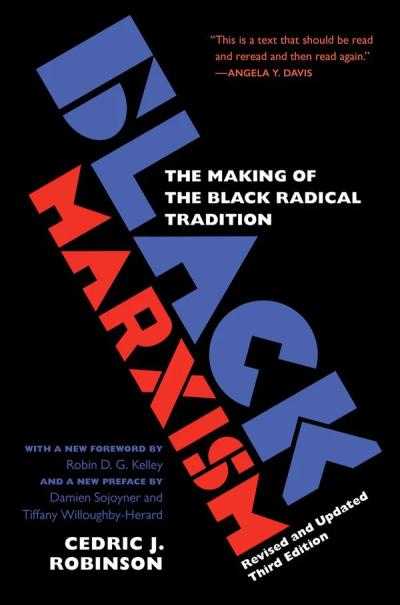
Capitalism was racial from day one.
✦ READ – REFLECT → RESIST
Same pattern, different era
Different time, different place. The same thing keeps happening.
A Peace to End All Peace: The Fall of the Ottoman Empire and the Creation of the Modern Middle East
David Fromkin
The deals that drew the Middle East in a hurry.
✦ READ – REFLECT → RESIST
A Problem from Hell: America and the Age of Genocide
Samantha Power
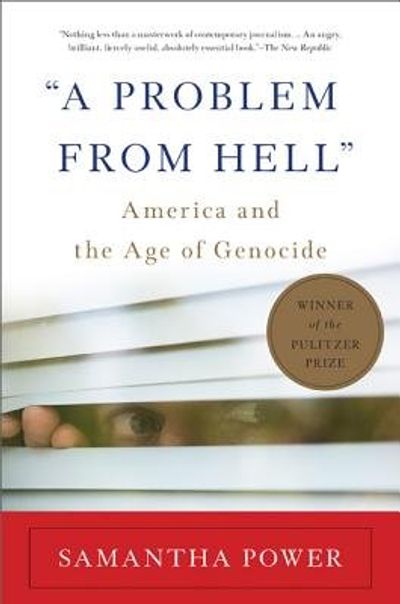
'Never again,' again and again.
✦ READ – REFLECT → RESIST
A Small Place
Jamaica Kincaid
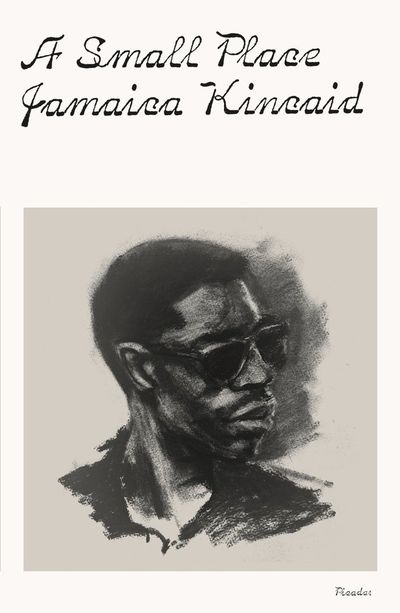
The tourist brochure, answered.
✦ READ – REFLECT → RESIST
Aloha Betrayed: Native Hawaiian Resistance to American Colonialism
Noenoe K. Silva
Hawaiians fought annexation. The archive proves it.
✦ READ – REFLECT → RESIST
For the family bookshelf
Same idea, written for a younger reader. Good for reading together.