
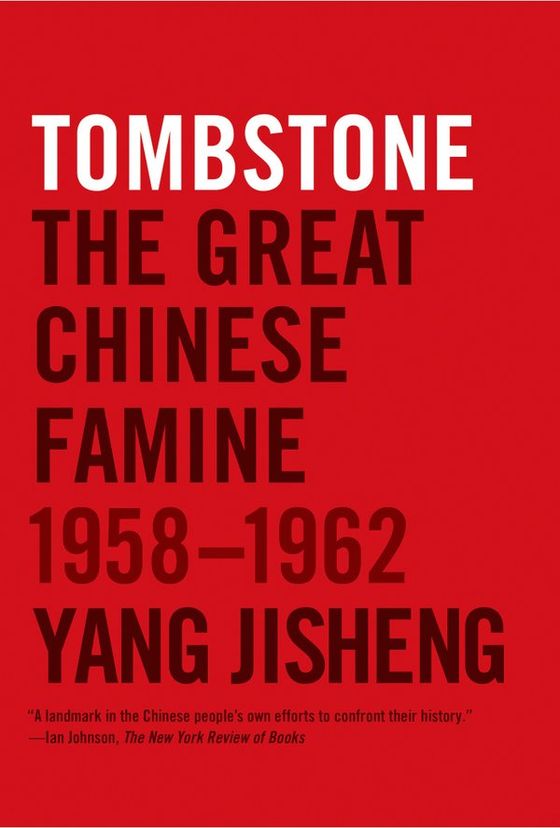
Tombstone: The Great Chinese Famine, 1958-1962
by Yang Jisheng
The famine the Party never let anyone count.
For you if
you want the famine your textbook skipped, told by a Party insider.
⚡ Choose Your Route ⚡
Not sold directly on this site. Support indie bookstores with a new copy, or go sustainable with a used one.
Buy New on Bookshop.orgSupports independent bookstores
— OR —
Find Used on Better World BooksSecondhand & sustainable
$22 MSRP · Paperback
Reference price shown. Other editions may be available.
Yang Jisheng was a Communist Party member and a Xinhua News Agency reporter whose father starved to death in the famine. He spent over a decade in provincial archives piecing together what Mao's Great Leap Forward did, and his estimate is around 36 million dead. The book follows how quotas, flattery and fear made every level of the Party lie upward, and how the lie became a famine. It is banned in mainland China.
Where This Book Lives
Pass with note. Grim and long; the English edition is abridged from the original, and the death toll is Yang's estimate, with other scholars giving lower and higher figures. Yang is a journalist-historian whose own father is among the dead, and he has faced restrictions in China. No documented author concerns. Close relatives: Wild Swans, To Live, The Origins of Totalitarianism and The Emperor: Downfall of an Autocrat (suggested 10-20).
Related Viewing
Shares a topic or setting with this book, or several of its themes.

Exterminate All the Brutes(2021)
dir. Raoul Peck
Same themes: Propaganda, Structural Violence
Four hours of the colonial story, unsoftened.
A four-part essay-series by the director of I Am Not Your Negro, following the sentence that Conrad's Kurtz wrote on his report in Heart of Darkness. Peck narrates a history of colonialism, genocide and white supremacy from Columbus to the American West to the Congo, mixing archive footage, animation and staged scenes. It is the story the textbooks soften.
Why it’s here: The series connects things the curriculum keeps apart: colonial violence, slavery, the Holocaust, and the ideas that justified each. What's punk is the refusal of the neutral tone, and the fact that it names the thread. What's pedagogical is that it can be paused, discussed and argued with. Pairs with Discourse on Colonialism, Orientalism and King Leopold's Ghost. Note: it is long, essayistic and dense, and some critics call its sweep too broad.
Where to watch: Hulu (HBO original, 4 episodes, per Hulu series page); verify current US availabilityLetterboxd ↗
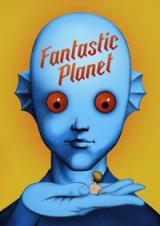
Fantastic Planet(1973)
dir. René Laloux
Same themes: Authoritarianism, Propaganda
Pet humans learn to read. The giants panic.
On a distant planet, giant blue Draags keep tiny humans, called Oms, as pets. One Om, Terr, escapes with a stolen learning device and teaches himself to read. The Oms organize in the wild and the Draags have to decide what to do. Animated by Roland Topor and made in Czechoslovakia, it won a Special Jury Prize at Cannes in 1973.
Why it’s here: The film turns a pet-and-owner story into an allegory of how a ruling class sees the people it keeps. What's punk is that the hero's weapon is literacy and the story is about who gets to learn. What's pedagogical is how easily it can be read as slavery, colonialism or cold-war Czechoslovakia, so a class can argue which. Pairs with Animal Farm, The Giver and Pedagogy of the Oppressed. Note: strange, surreal and slow in places, with some nudity and a violent first act; best for older teens and adults.
Where to watch: Criterion Channel (title page found, subscription); verify, as Criterion Channel titles rotate.Letterboxd ↗
Same pattern, different era
Different time, different place. The same thing keeps happening.
All About Me!: My Remarkable Life in Show Business
Mel Brooks
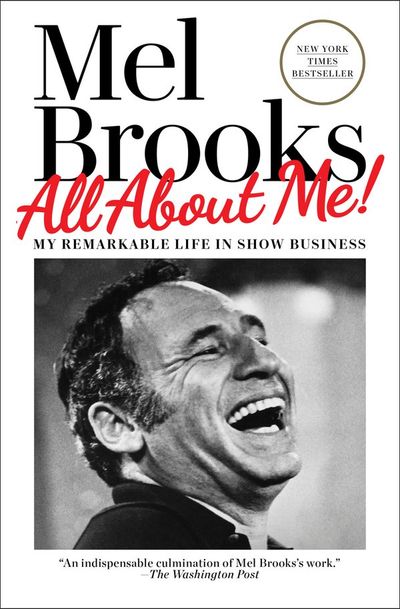
Tyrants hate being laughed at. Mel knew.
✦ READ – REFLECT → RESIST
Animal's People
Indra Sinha
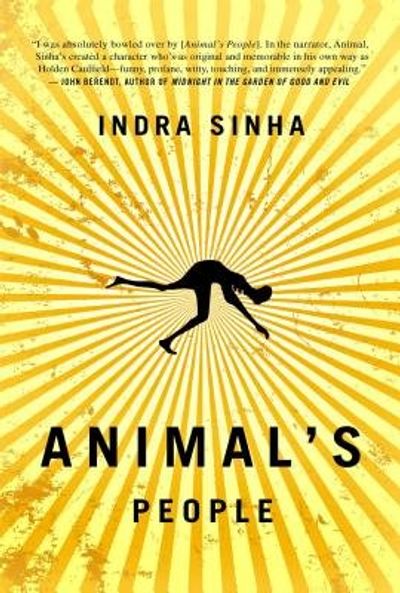
A Bhopal survivor tells it his way.
✦ READ – REFLECT → RESIST
Beauty Is a Wound
Eka Kurniawan
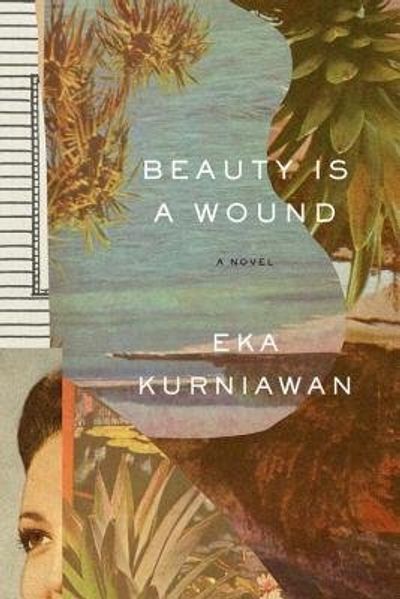
Indonesia's century, told by a woman back from death.
✦ READ – REFLECT → RESIST
Dancing in the Streets: A History of Collective Joy
Barbara Ehrenreich
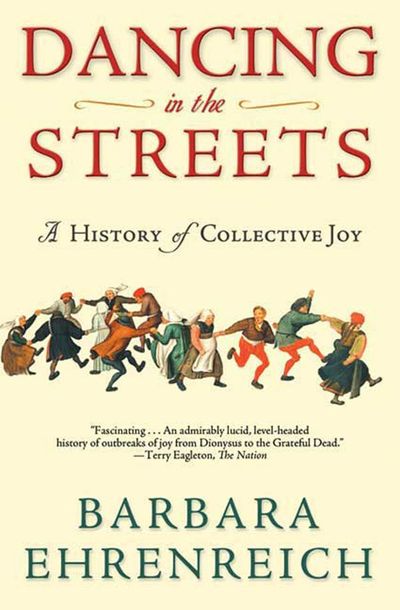
Why rulers keep trying to ban the party.
✦ READ – REFLECT → RESIST
For the family bookshelf
Same idea, written for a younger reader. Good for reading together.
Between Shades of Gray
Ruta Sepetys
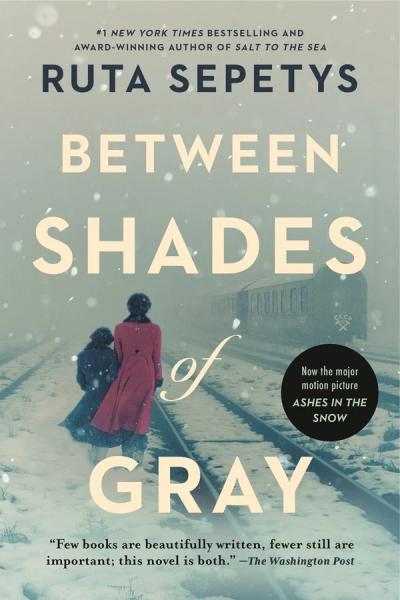
A Lithuanian teen draws her way through Siberia.
✦ READ – REFLECT → RESIST
Dreamland Burning
Jennifer Latham
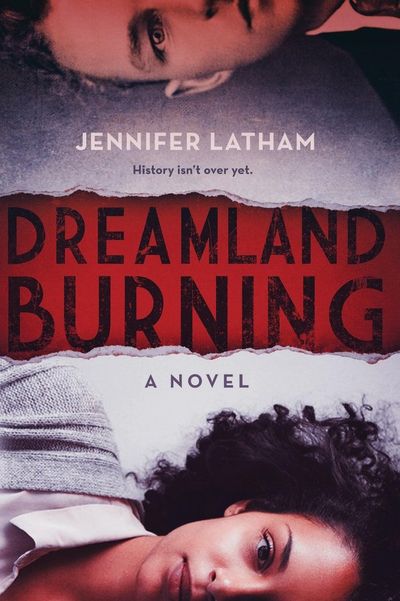
Two Tulsa teens, one buried massacre.
✦ READ – REFLECT → RESIST
Nimona
ND Stevenson
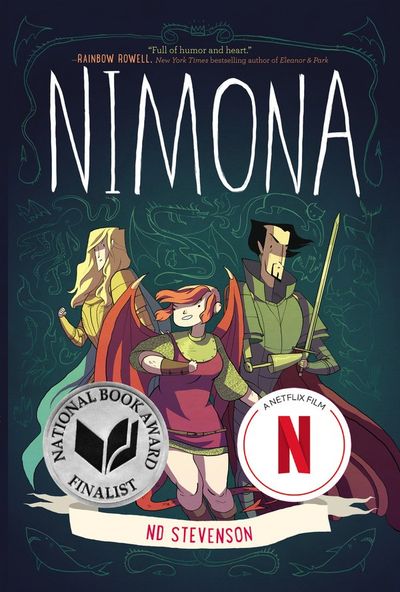
The villain's sidekick can become anything.
✦ READ – REFLECT → RESIST
Nothing But the Truth: A Documentary Novel
Avi
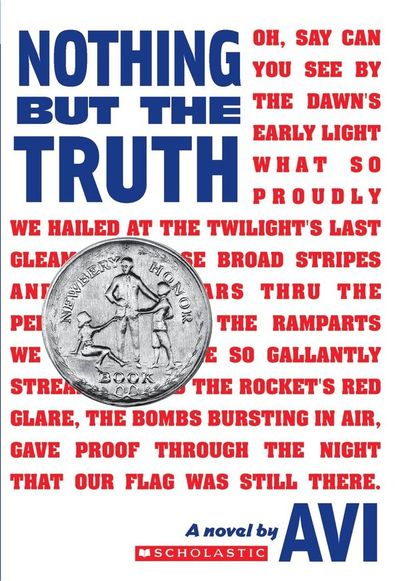
How one small moment becomes a national story.
✦ READ – REFLECT → RESIST