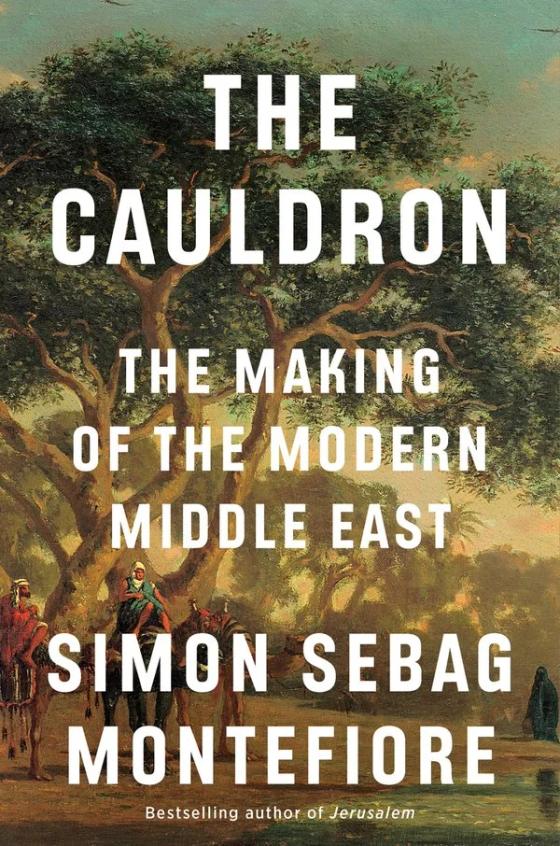
The Cauldron: The Making of the Modern Middle East
by Simon Sebag Montefiore
125 years that explain what you're watching now.
For you if
you've been watching the Middle East news and have no framework for any of it
⚡ Choose Your Route ⚡
Not sold directly on this site. Support indie bookstores with a new copy, or go sustainable with a used one.
Buy New on Bookshop.orgSupports independent bookstores
— OR —
Find Used on Better World BooksSecondhand & sustainable
$40 MSRP · Hardcover
Reference price shown. Other editions may be available.
The modern Middle East didn't emerge from ancient hatreds — it was made. This is the 125-year history of how: the Ottoman collapse, the colonial carve-up, the Cold War proxy battles, the rise of dictators and resistance movements, the wars that redrew every border from Morocco to Iran. Montefiore moves through the century through the people who made and unmade it — kings, generals, revolutionaries, poets, peacemakers — building the connective tissue between events that get taught in isolation. If you've been watching the news and have no idea how any of it got this way, this is the foundation that makes everything else legible.
Where This Book Lives
- Setting
- Middle East
- Voice
- An outside perspective on Middle East
Montefiore is a British historian writing about a region where standpoint matters — this isn't an inside account, and readers who want the Middle East through the eyes of its own people should pair this with those voices. What he provides is something different: a historian's sweep across 125 years that tracks how the current map was drawn, who drew it, and what it cost. Think of it as the framework book — the one that makes everything else legible.
Related Viewing
Shares a topic, theme, or setting with this book in the catalog.
5 Broken Cameras(2011)
dir. Emad Burnat & Guy Davidi
Five cameras destroyed. Every one kept filming.
A Palestinian farmer in Bil'in documents his village's nonviolent resistance to encroaching Israeli settlements over five years, structured around each of his cameras' destruction.
Why it’s here: Shot almost entirely by a Palestinian farmer with no filmmaking background, on cameras that kept getting destroyed and kept getting replaced — testimony in the most literal sense, edited (not directed) into shape by an Israeli co-director after the fact.
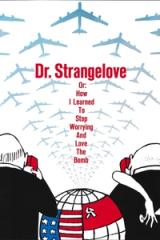
Dr. Strangelove or: How I Learned to Stop Worrying and Love the Bomb(1964)
dir. Stanley Kubrick
Laughing so you don't scream, since 1964.
A rogue Air Force general triggers an unrecallable nuclear strike on the USSR, and the War Room scrambles — bureaucratically, absurdly — to stop the end of the world.
Why it’s here: The original 'laugh so you don't scream' text — mutually assured destruction played entirely for farce, and the farce is the argument: absurdity is what nuclear brinkmanship actually looks like from the inside.
Same event, different angle
The same history — told by someone who saw it differently.
Anti-Zionism: A Jewish History
Benjamin Moser
The Jewish tradition they tried to bury.
✦ READ – REFLECT → RESIST
Nuclear War: A Scenario
Annie Jacobsen
72 minutes to the end of everything.
✦ READ – REFLECT → RESIST
Mornings in Jenin
Susan Abulhawa
A Palestinian family. Four generations of loss.
✦ READ – REFLECT → RESIST
A Woman in the Crossfire
Samar Yazbek
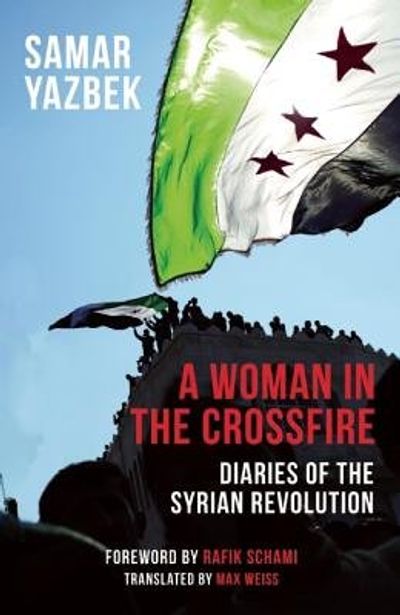
Documenting her country's destruction from inside.
✦ READ – REFLECT → RESIST
Same pattern, different era
Different time, different place. The same thing keeps happening.
In Our Image
Stanley Karnow
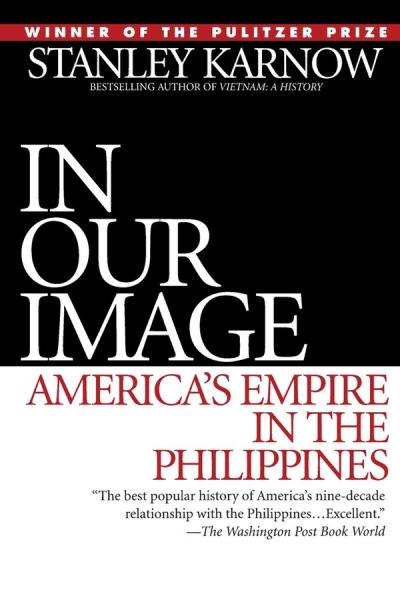
America had a colony in Asia. Almost no American knows.
✦ READ – REFLECT → RESIST
The Hundred Years' War on Palestine
Rashid Khalidi
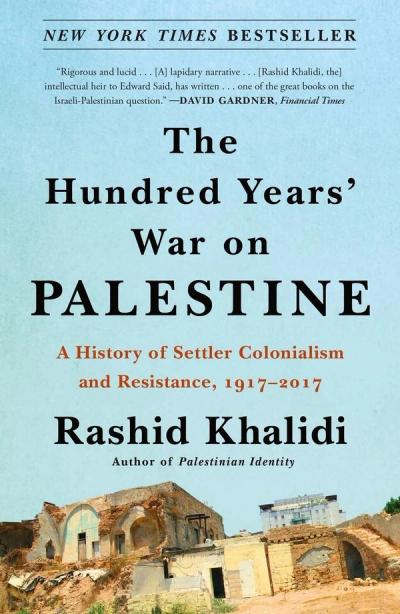
One hundred years of colonial war. The historian who names it.
✦ READ – REFLECT → RESIST
The Jakarta Method
Vincent Bevins
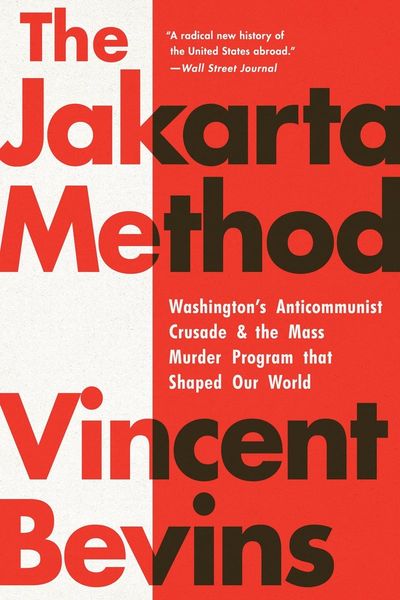
The empire’s darkest export.
✦ READ – REFLECT → RESIST
Harvest of Empire
Juan González
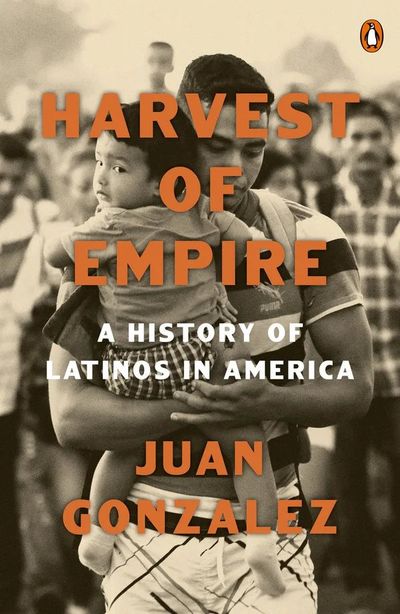
We are here because you were there.
✦ READ – REFLECT → RESIST
For the family bookshelf
Same idea, written for a younger reader. Good for reading together.