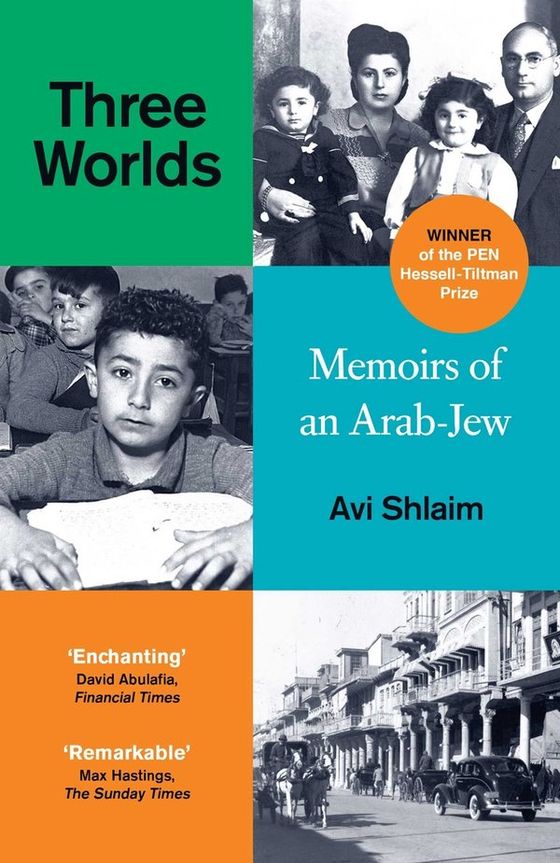
Three Worlds: Memoirs of an Arab-Jew
by Avi Shlaim
What it cost to become Israeli.
For you if
you want to understand 1948 through someone it happened to.
⚡ Choose Your Route ⚡
Not sold directly on this site. Support indie bookstores with a new copy, or go sustainable with a used one.
Buy New on Bookshop.orgSupports independent bookstores
— OR —
Find Used on Better World BooksSecondhand & sustainable
$20 MSRP · Paperback
Reference price shown. Other editions may be available.
Avi Shlaim was born in Baghdad in 1945 to a Jewish family that had been Iraqi for centuries. His family spoke Arabic, lived among Muslims and Christians, and had no particular reason to leave — until 1948 changed everything. The creation of Israel set off a wave of anti-Jewish violence across the Arab world, partly spontaneous, partly orchestrated, that made continued Jewish life in Iraq untenable. The Shlaim family arrived in Israel in 1950 as immigrants — Mizrahi Jews from Arab lands — and encountered a state that had been built by and for Ashkenazi Jews from Europe, and that classified them accordingly. Three Worlds is the memoir of living through all of this: the lost Baghdad of Shlaim's childhood, the disorienting new Israel of his adolescence, and the England where he eventually landed and built his career as a historian. It is also the book that makes Shlaim's scholarly work legible in a new way — the declassified archives he spent his career analyzing were, in a sense, the documents that explained what had happened to his own family. Winner of the PEN Hessell-Tiltman Prize for History.
Where This Book Lives
- Setting
- Israel
- Voice
- Written by a Israeli author
Three Worlds is the cleanest entry point into this whole body of work. Where Collusion Across the Jordan and The Iron Wall require the reader to hold a lot of historical apparatus, Three Worlds gives you the same history as a life lived — Baghdad to Tel Aviv to Oxford, across eighty years of the twentieth century's worst decisions. Shlaim is not a victim narrator; he's a historian who happens to have been present at the history. The book won the PEN Hessell-Tiltman Prize for History, which is given to works that are genuinely literary and genuinely historical — it's not a consolation prize for memoir. The thing that makes it essential for P&P specifically is what it does to the category 'Arab-Jew' — a phrase Shlaim uses deliberately, because its apparent contradiction is exactly the thing 1948 destroyed. Before 1948 there were Jews who were Arab. After 1948 that identity became incoherent. The memoir is partly about what it meant to live that erasure.
Related Viewing
Shares a topic, theme, or setting with this book in the catalog.
5 Broken Cameras(2011)
dir. Emad Burnat & Guy Davidi
Five cameras destroyed. Every one kept filming.
A Palestinian farmer in Bil'in documents his village's nonviolent resistance to encroaching Israeli settlements over five years, structured around each of his cameras' destruction.
Why it’s here: Shot almost entirely by a Palestinian farmer with no filmmaking background, on cameras that kept getting destroyed and kept getting replaced — testimony in the most literal sense, edited (not directed) into shape by an Israeli co-director after the fact.

Aristotle and Dante Discover the Secrets of the Universe(2023)
dir. Aitch Alberto
One summer, secrets neither boy knew he had.
In 1987 El Paso, two Mexican-American teenage loners strike up a friendship that cracks open everything one of them has spent years keeping carefully closed off — including who he is. Adapted from Benjamin Alire Sáenz's novel.
Why it’s here: Punk in its tenderness rather than its edge — a bilingual, bicultural, queer coming-of-age story that doesn't need trauma to justify its own gentleness. Pedagogical in showing how friendship can crack open a kid who's spent years protecting himself by staying closed.
Same event, different angle
The same history — told by someone who saw it differently.
Mornings in Jenin
Susan Abulhawa
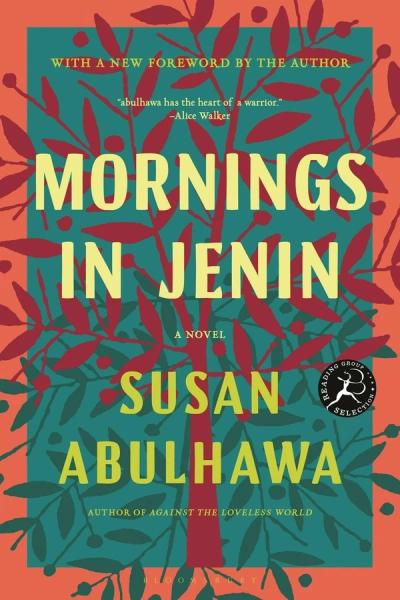
A Palestinian family. Four generations of loss.
✦ READ – REFLECT → RESIST
Anti-Zionism: A Jewish History
Benjamin Moser
The Jewish tradition they tried to bury.
✦ READ – REFLECT → RESIST
The Ethnic Cleansing of Palestine
Ilan Pappé
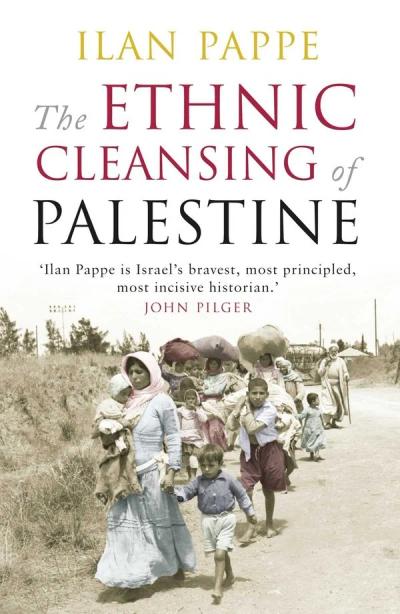
Plan Dalet. Village by village.
✦ READ – REFLECT → RESIST
To the End of the Land
David Grossman
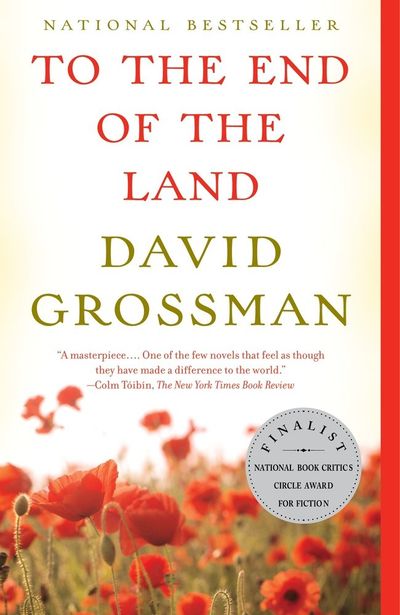
A mother walks Israel to avoid the news of her son.
✦ READ – REFLECT → RESIST
Same pattern, different era
Different time, different place. The same thing keeps happening.
The Ethnic Cleansing of Palestine
Ilan Pappé
Plan Dalet. Village by village.
✦ READ – REFLECT → RESIST
A True History of the United States
Daniel Sjursen
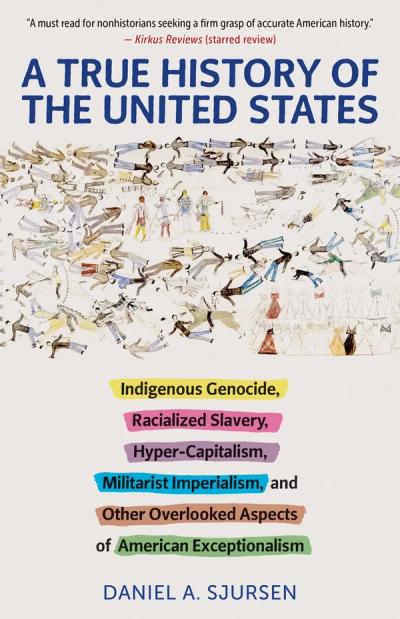
Spoiler: it’s not the one you learned.
✦ READ – REFLECT → RESIST
Lipstick Jihad
Azadeh Moaveni
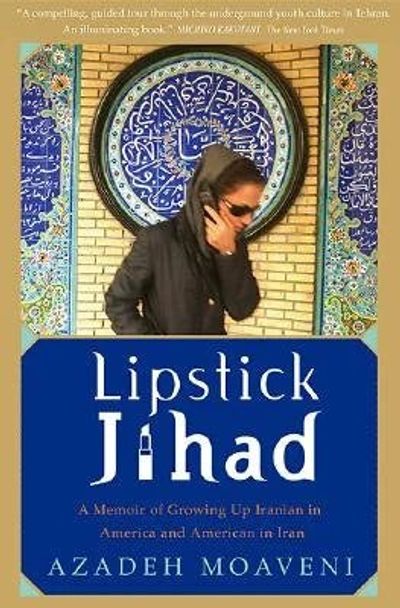
Iranian American, going back to find out what that is.
✦ READ – REFLECT → RESIST
The Pleasures of Exile
George Lamming
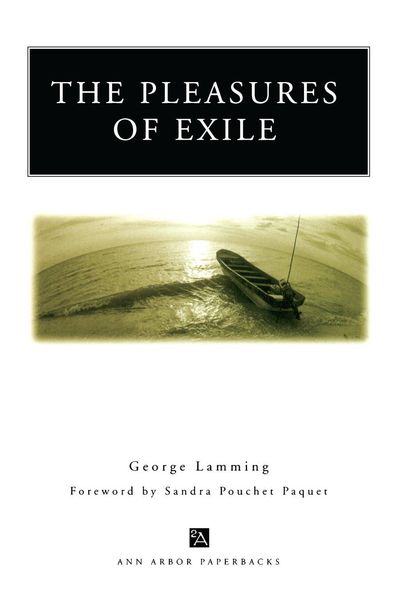
Caliban reads The Tempest and writes back.
✦ READ – REFLECT → RESIST
For the family bookshelf
Same idea, written for a younger reader. Good for reading together.