
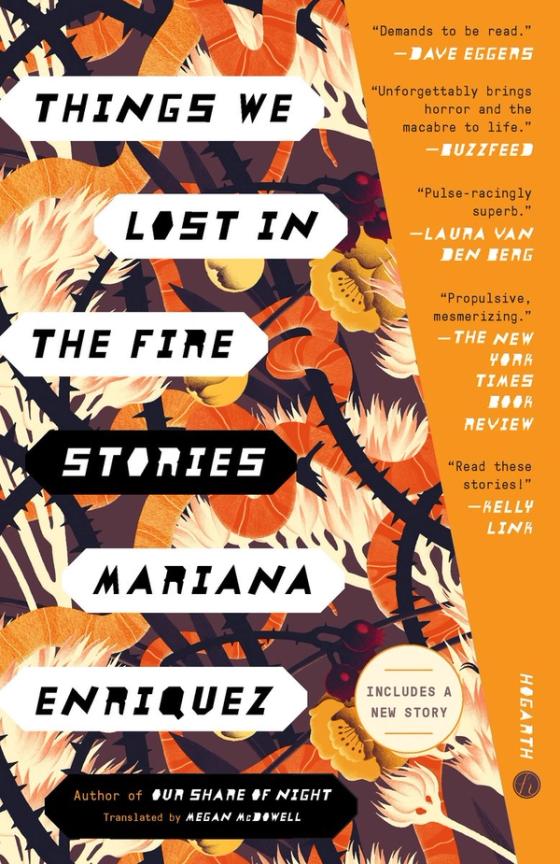
Things We Lost in the Fire
by Mariana Enriquez
Argentine social horror. The monsters are the actual conditions.
For you if
you want horror that names what Argentine society refuses to name directly — the disappeared, the street children, the poverty — in the register those conditions actually deserve
⚡ Choose Your Route ⚡
Not sold directly on this site. Support indie bookstores with a new copy, or go sustainable with a used one.
Buy New on Bookshop.orgSupports independent bookstores
— OR —
Find Used on Better World BooksSecondhand & sustainable
$17 MSRP
Reference price shown. Other editions may be available.
Enriquez is an Argentine journalist who covers the crime beat in Buenos Aires and writes horror stories about what she finds there. The twelve stories in this collection are set in contemporary Argentina — in the villas miserias, the abandoned houses, the streets where children live, the religious ceremonies, the neighborhoods still haunted by the disappeared — and use horror to name what Argentine society refuses to acknowledge directly. A woman whose face was burned off in a domestic violence attack becomes part of a movement of women who burn their own faces in solidarity. The ghost of a disappeared activist occupies a house. A child found in a trash heap becomes something that cannot be explained by social work. Enriquez is doing what the best horror always does: rendering in the register of terror the actual conditions that produce terror, without aestheticizing or domesticating them. The most important Argentine fiction since Cortázar and the book that most completely shows what social horror looks like when the social conditions are themselves horrifying.
Where This Book Lives
- Setting
- Argentina • Latin America
- Voice
- Written by a Argentine author
- Themes
- gender violencepoverty
- Topics
- dirty war
Related Viewing
Shares a topic, theme, or setting with this book in the catalog.
Is God Is(2026)
dir. Aleshea Harris
Two sisters. One mission from God: kill their father.
Twin sisters marked since childhood by disfiguring burn scars are contacted by the mother they believed dead, who reveals their father set the fire that scarred them — and sends her daughters on a cross-country mission to kill him. Adapted from Aleshea Harris's own award-winning play.
Why it’s here: Punk in framing righteous vengeance as a mission handed down by a mother rather than a moral failing to overcome — the film refuses to let "forgiveness" be the default answer to abuse. Pedagogical in tracing how violence passed down through a family can be interrupted, redirected, or repeated, letting the two sisters choose differently from each other.
Once Were Warriors(1994)
dir. Lee Tamahori
A warrior culture severed and how to reclaim it.
In urban Auckland, Beth Heke fights to hold her family together against her husband Jake's alcoholism and violence, as their children search — through gangs, foster care, and a reclaimed connection to Māori culture — for a way out of a cycle set in motion by generations of colonization. Adapted from Alan Duff's novel.
Why it’s here: Punk in its total refusal to look away from what colonization and urban poverty did to this family, without pretending it stands in for all Māori experience. Pedagogical in showing cultural reconnection, not therapy alone, as the path back from cyclical violence.
Same pattern, different era
Different time, different place. The same thing keeps happening.
The Grapes of Wrath
John Steinbeck
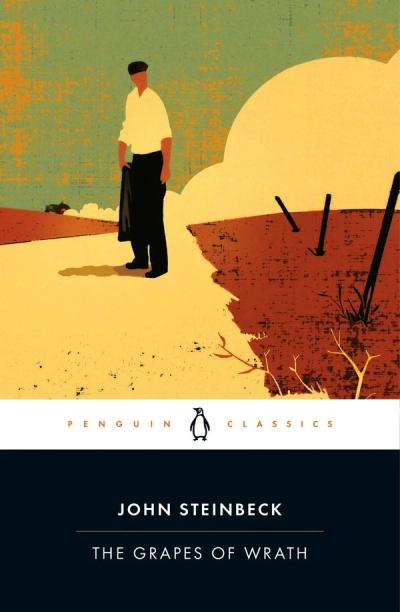
They lost the farm. California promised work. It lied.
✦ READ – REFLECT → RESIST
Sold
Patricia McCormick
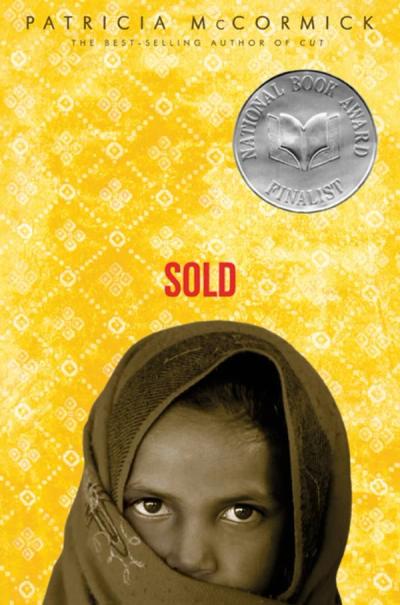
How trafficking actually works. In verse.
✦ READ – REFLECT → RESIST
Sexual Citizens: A Landmark Study of Sex, Power, and Assault on Campus
Jennifer S. Hirsch & Shamus Khan

Not a few bad men. A system that works.
✦ READ – REFLECT → RESIST
The Famished Road
Ben Okri
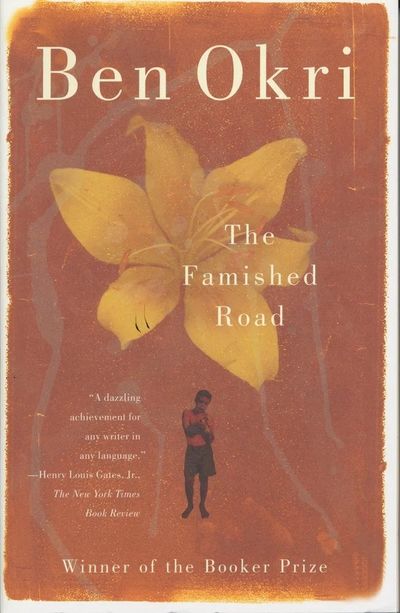
A spirit child walks between the living and the dead.
✦ READ – REFLECT → RESIST
Flip the lens
Same country. Now hear it from the other side.
For the family bookshelf
Same idea, written for a younger reader. Good for reading together.
Last Stop on Market Street
Matt de la Peña
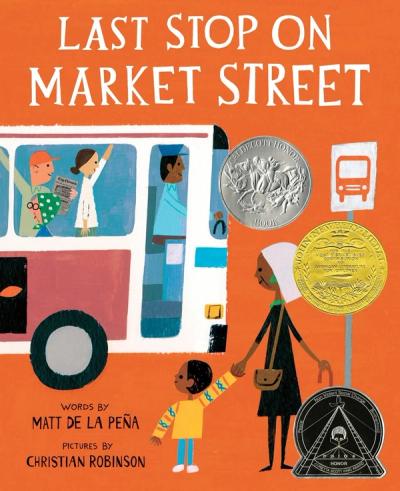
Gratitude with a side of grit.
✦ READ – REFLECT → RESIST
Those Shoes
Maribeth Boelts
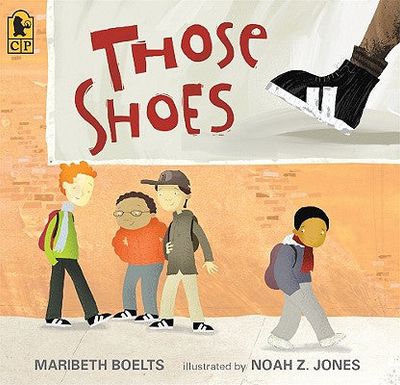
Kindness outlasts coolness.
✦ READ – REFLECT → RESIST
Crenshaw
Katherine Applegate
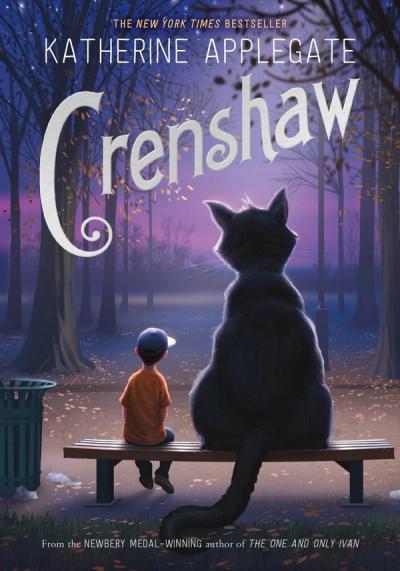
His family is losing their home again. His imaginary cat has opinions.
✦ READ – REFLECT → RESIST
Charlie and the Chocolate Factory
Roald Dahl
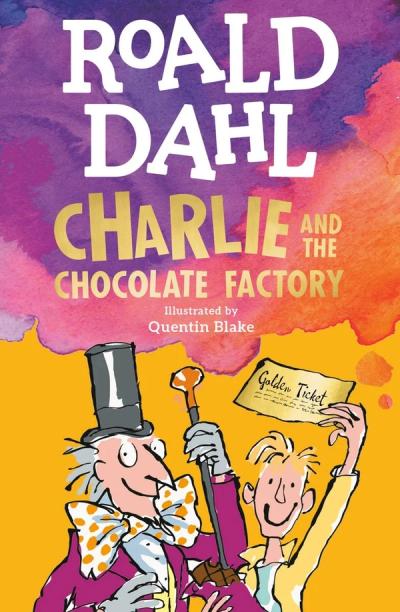
Five kids. One factory. Four very satisfying eliminations.
✦ READ – REFLECT → RESIST