
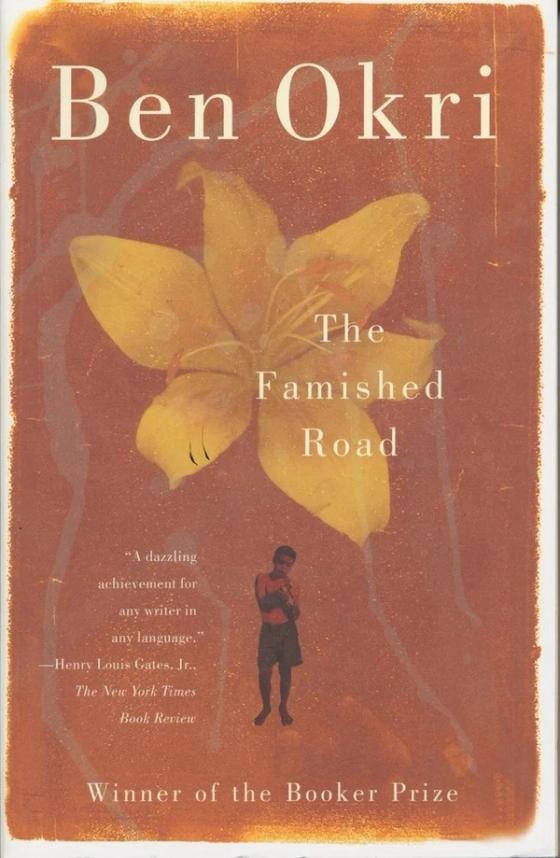
The Famished Road
by Ben Okri
A spirit child walks between the living and the dead.
For you if
you want Nigerian mythology and Nigerian politics to exist in the same breath
⚡ Choose Your Route ⚡
Not sold directly on this site. Support indie bookstores with a new copy, or go sustainable with a used one.
Buy New on Bookshop.orgSupports independent bookstores
— OR —
Find Used on Better World BooksSecondhand & sustainable
$20 MSRP
Reference price shown. Other editions may be available.
Azaro is an abiku — a spirit child who keeps choosing to stay in the world of the living rather than return to the spirit world. He moves through a Lagos slum witnessing poverty, political corruption, and supernatural events with equal matter-of-factness. Okri won the Booker Prize for this in 1991. It is the most formally ambitious Nigerian novel — Lagos as a mythological landscape where the dead are always nearby and the road is always hungry. A dispatch that refuses to separate the political from the spiritual.
Where This Book Lives
- Setting
- Nigeria • West Africa
- Voice
- Written by a Nigerian author
- Themes
- magical realismpoverty
Related Viewing
Shares a topic, theme, or setting with this book in the catalog.
Half of a Yellow Sun(2013)
dir. Biyi Bandele
Twin sisters, one war, two impossible choices.
Twin sisters from a wealthy Nigerian family take very different paths in newly independent 1960s Nigeria, until the outbreak of the Biafran War forces politics into every corner of their private lives. Adapted from Chimamanda Ngozi Adichie's novel.
Why it’s here: Punk in refusing to let romance and betrayal upstage the Biafran genocide it's actually about — political catastrophe and private life collapse into each other. Pedagogical in showing how independence's promise curdled into ethnic war within a single generation.
Like Water for Chocolate(1992)
dir. Alfonso Arau
Forbidden love, served through food.
In early-1900s Mexico, Tita is forbidden by family tradition from marrying the man she loves, so she pours her longing into the food she cooks — food that carries her emotions, sometimes literally, into everyone who eats it. Adapted from Laura Esquivel's novel.
Why it’s here: Punk in making a kitchen the site of rebellion — Tita's cooking becomes the one language her mother can't control or silence. Pedagogical in showing how inherited "duty" polices women's desire generation after generation, and what it costs to break that chain.
Same pattern, different era
Different time, different place. The same thing keeps happening.
Kaffir Boy
Mark Mathabane
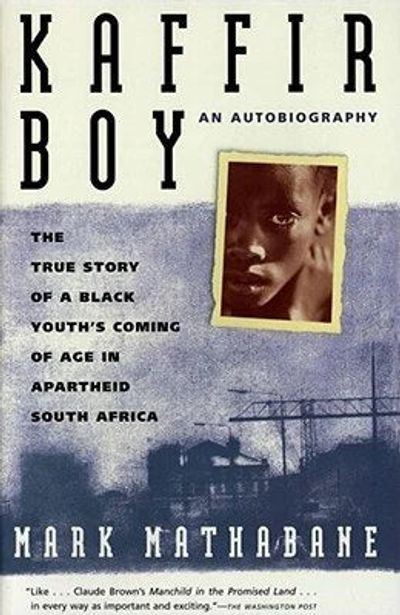
Growing up Black under apartheid, from the inside.
✦ READ – REFLECT → RESIST
Things We Lost in the Fire
Mariana Enriquez
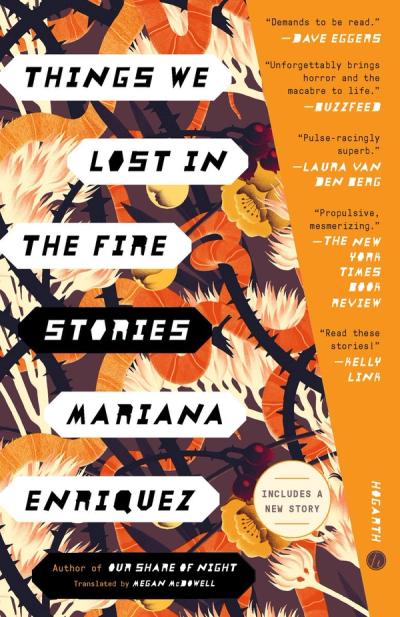
Argentine social horror. The monsters are the actual conditions.
✦ READ – REFLECT → RESIST
Poverty, by America
Matthew Desmond
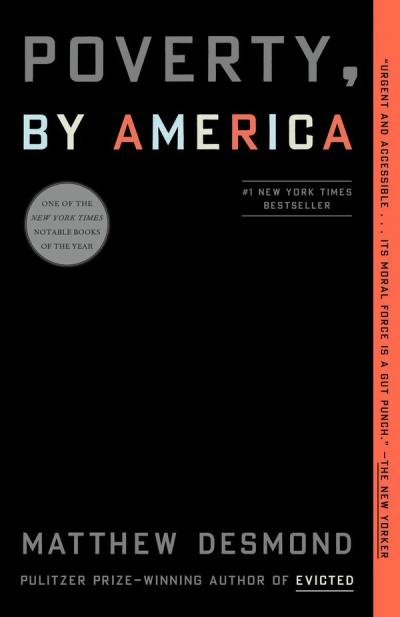
Poverty isn't an accident. Someone is making money from it.
✦ READ – REFLECT → RESIST
Hand to Mouth
Linda Tirado
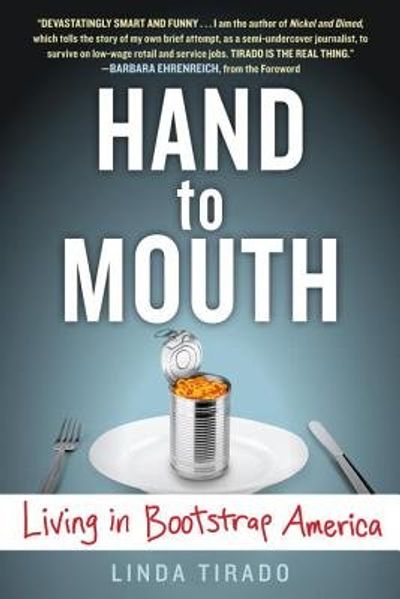
Why do poor people make bad choices? She was one. Here's why.
✦ READ – REFLECT → RESIST
For the family bookshelf
Same idea, written for a younger reader. Good for reading together.
Last Stop on Market Street
Matt de la Peña
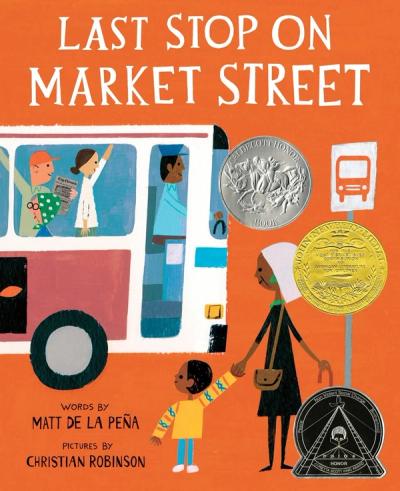
Gratitude with a side of grit.
✦ READ – REFLECT → RESIST
Those Shoes
Maribeth Boelts
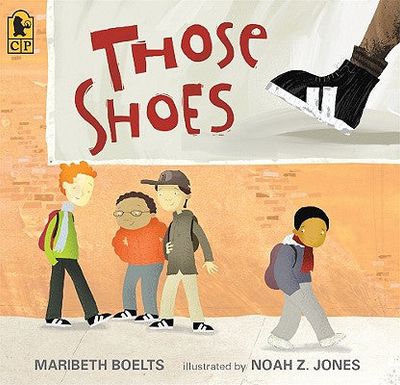
Kindness outlasts coolness.
✦ READ – REFLECT → RESIST
Crenshaw
Katherine Applegate
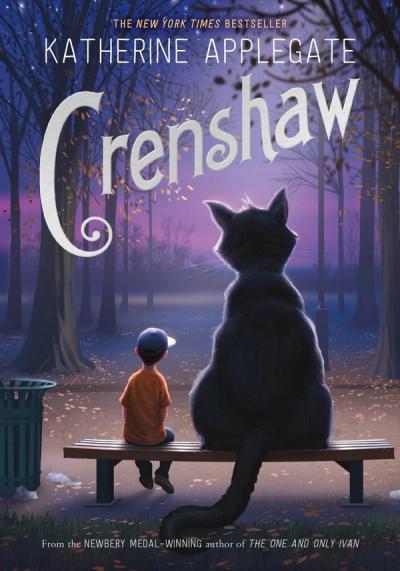
His family is losing their home again. His imaginary cat has opinions.
✦ READ – REFLECT → RESIST
Charlie and the Chocolate Factory
Roald Dahl
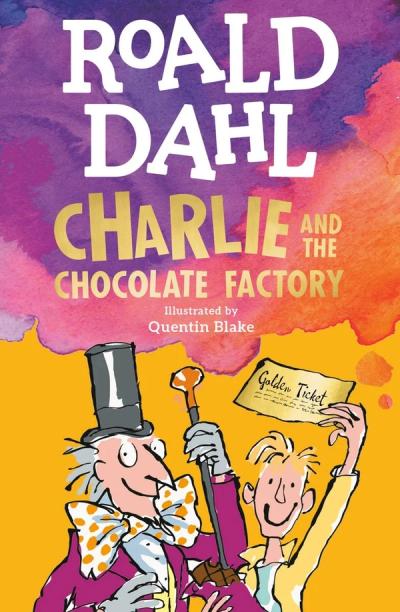
Five kids. One factory. Four very satisfying eliminations.
✦ READ – REFLECT → RESIST