
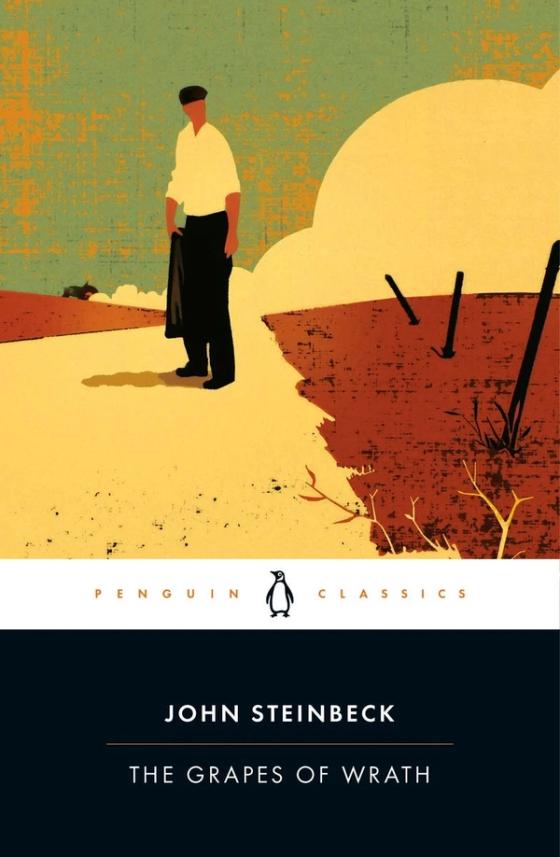
The Grapes of Wrath
by John Steinbeck
They lost the farm. California promised work. It lied.
For you if
you want to understand what economic displacement does to a family — not as a statistic but as a specific human cost rendered across 500 pages that refuse to look away
⚡ Choose Your Route ⚡
Not sold directly on this site. Support indie bookstores with a new copy, or go sustainable with a used one.
Buy New on Bookshop.orgSupports independent bookstores
— OR —
Find Used on Better World BooksSecondhand & sustainable
$19 MSRP
Reference price shown. Other editions may be available.
The Joad family loses their Oklahoma farm to the bank, loads everything they own onto a truck, and drives Route 66 to California, where they've been told there's work. What they find in California is the same system that destroyed them in Oklahoma, operating with greater efficiency and less shame — labor contractors who cut wages because there are always more desperate families arriving, camp bosses who keep workers in debt, growers who pay starvation wages because the law is on their side and the workers have nowhere else to go. Steinbeck spent months living with migrant farm workers in California's Central Valley before writing this, and the documentary precision shows — not in the way journalism shows but in the way a novel shows, which is the family's interior life intact inside the structural horror around them. The Associated Farmers of California burned copies in Salinas. Kern County banned it. The agricultural industry called it communist propaganda. What it actually was: a record of what capital does when labor has no power and no protection, rendered in the specific faces of one family who refused to stop moving even after every reason to keep going had been stripped away. The most important American novel about class and labor and the one that most completely shows what Poverty, by America and Nickel and Dimed are arguing through a single family's experience of it.
Where This Book Lives
- Setting
- North America
- Voice
- Written by a North America author
- Themes
- class and laborpoverty
Part of a Reading Journey
Related Viewing
Shares a topic, theme, or setting with this book in the catalog.
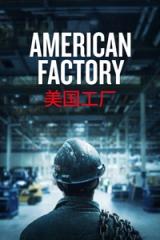
American Factory(2019)
dir. Steven Bognar & Julia Reichert
No villain speech. Just what actually happens.
A Chinese-owned auto-glass plant reopens a shuttered Ohio GM factory, and cultural and labor tensions surface as American and Chinese workers try to build something together.
Why it’s here: Refuses the easy version of this story — nobody here is simply the hero or the problem, Chinese management included. The first film the Obamas' production company ever released, and it earns that distinction by trusting the footage over a thesis.
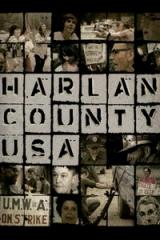
Harlan County, U.S.A.(1976)
dir. Barbara Kopple
Shot from inside the picket line, not above it.
Cinema-verité account of a 13-month Kentucky coal miners' strike against Eastover Mining, filmed from inside the picket line as violence escalates on both sides.
Why it’s here: No talking-head remove — Kopple lived with the strikers for over a year, and the film's authority comes from proximity, not narration. A founding text for what labor documentary can look like when the filmmaker picks a side and stays there.
Same event, different angle
The same history — told by someone who saw it differently.
Same pattern, different era
Different time, different place. The same thing keeps happening.
The Famished Road
Ben Okri
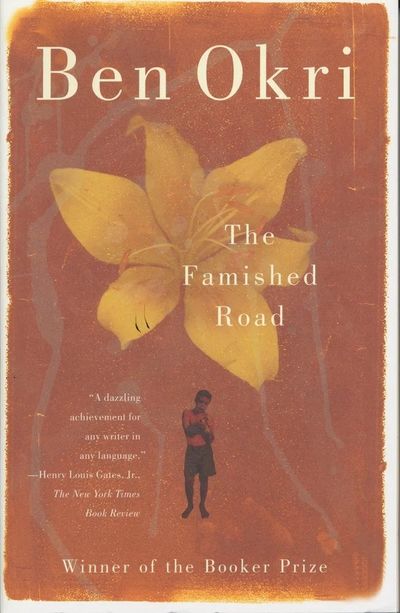
A spirit child walks between the living and the dead.
✦ READ – REFLECT → RESIST
Kaffir Boy
Mark Mathabane
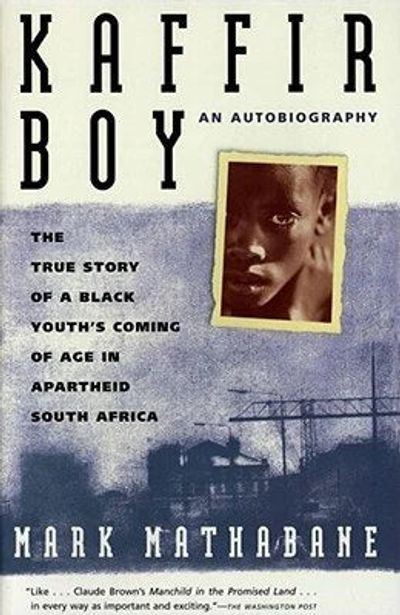
Growing up Black under apartheid, from the inside.
✦ READ – REFLECT → RESIST
Salvage the Bones
Jesmyn Ward
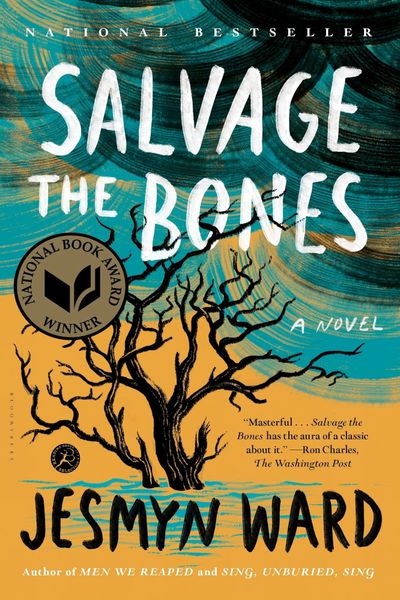
A Mississippi family. A storm coming. Twelve days.
✦ READ – REFLECT → RESIST
Things We Lost in the Fire
Mariana Enriquez
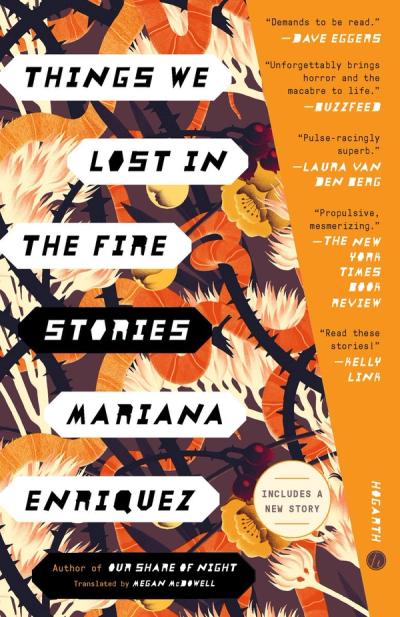
Argentine social horror. The monsters are the actual conditions.
✦ READ – REFLECT → RESIST
For the family bookshelf
Same idea, written for a younger reader. Good for reading together.
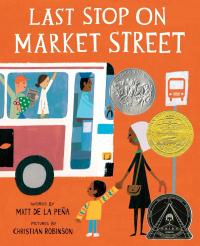
Last Stop on Market Street
Matt de la Peña
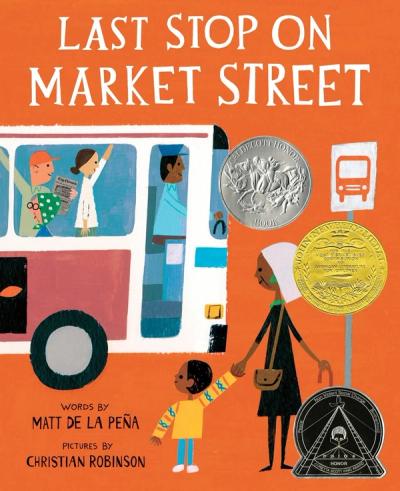
Gratitude with a side of grit.
✦ READ – REFLECT → RESIST
Those Shoes
Maribeth Boelts
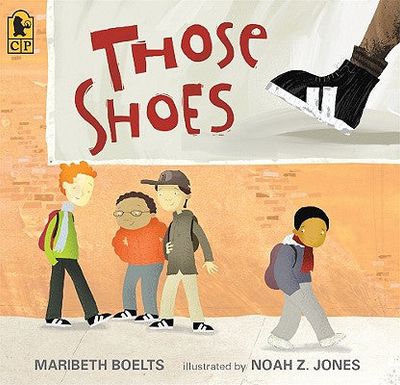
Kindness outlasts coolness.
✦ READ – REFLECT → RESIST
Crenshaw
Katherine Applegate
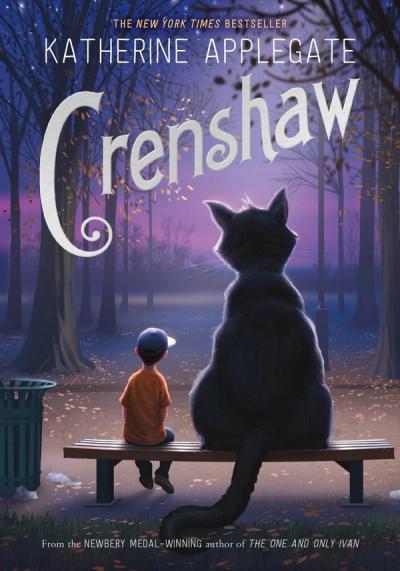
His family is losing their home again. His imaginary cat has opinions.
✦ READ – REFLECT → RESIST
Charlie and the Chocolate Factory
Roald Dahl
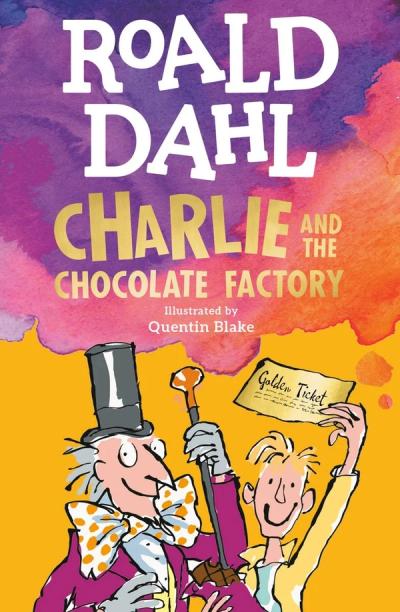
Five kids. One factory. Four very satisfying eliminations.
✦ READ – REFLECT → RESIST