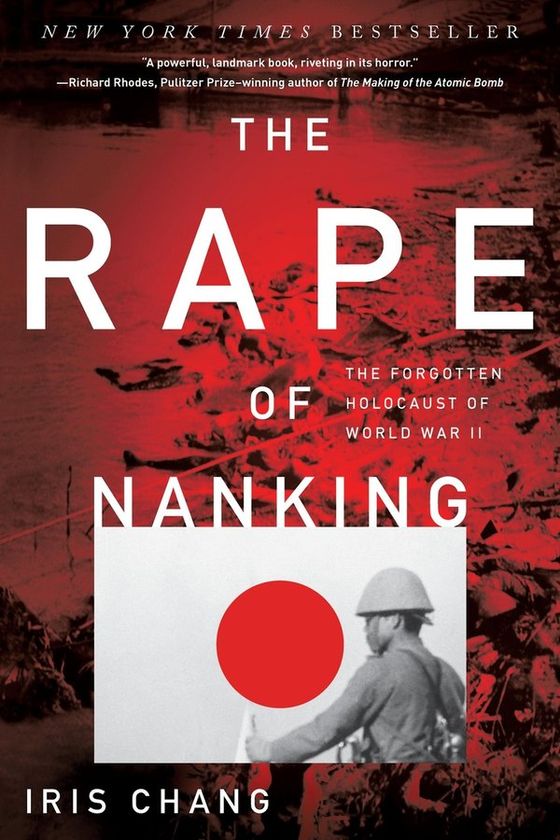
The Rape of Nanking: The Forgotten Holocaust of World War II
by Iris Chang
Six weeks in 1937 that the world filed away.
For you if
you want the atrocity your history class never reached.
⚡ Choose Your Route ⚡
Not sold directly on this site. Support indie bookstores with a new copy, or go sustainable with a used one.
Buy New on Bookshop.orgSupports independent bookstores
— OR —
Find Used on Better World BooksSecondhand & sustainable
$19 MSRP · Paperback
Reference price shown. Other editions may be available.
In December 1937 the Japanese army took Nanking and spent six weeks killing, raping and looting its way through the city. Chang brings together survivors, the diaries of the Westerners who set up a safety zone, and the Japanese soldiers' own testimony, and then follows how Japan and the world forgot it. Her anger at the silence is as much the subject as the massacre.
Where This Book Lives
- Setting
- China • East Asia
- Voice
- An outside perspective on China
- Topics
- world war ii
Pass with note: the casualty figures and some of Chang's framing are contested by historians, and the book is graphic about sexual violence, so it belongs on the adult shelf. It fills the East Asia gap in the atrocity shelf and sits beside Black Rain and The Sorrow of War.
Related Viewing
Shares a topic, theme, or setting with this book in the catalog.
Balzac and the Little Chinese Seamstress(2002)
dir. Dai Sijie
Same country: China
Banned books, secret readings, and one crush.
Two city students sent to a remote mountain village for Maoist "re-education" during the Cultural Revolution discover a hidden suitcase of banned Western novels — and use them to woo the local tailor's granddaughter. Adapted from Dai Sijie's own novel.
Why it’s here: Punk in treating banned Western novels as genuinely dangerous contraband — literature here isn't decoration, it's the thing state re-education is specifically designed to purge. Pedagogical in showing how forbidden art still gets in, and still changes people, even under total surveillance.
Where to watch: Streaming on KanopyLetterboxd ↗
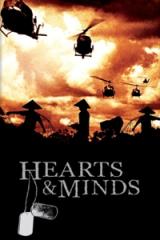
Hearts and Minds(1974)
dir. Peter Davis
Same themes: Propaganda, War and Atrocity
Vietnam, in the words of those who waged it.
A documentary about the American war in Vietnam, made while the war was still being fought. Davis intercuts interviews with generals, officials, pilots, veterans, grieving Vietnamese families and ordinary Americans, setting the language of policy against what that policy did on the ground and at home.
Why it’s here: The punk move is the editing: Davis lets the war's architects talk at length, then cuts their words against a funeral, a bombed village or a cheering football crowd, and trusts the audience to feel the gap. The pedagogy is in how the film teaches viewers to hear the language of power, euphemism and abstraction included, while looking at what it covers up. Worth knowing that the juxtaposition is the argument, and General Westmoreland and others objected that their words were framed unfairly, so watch it as a persuasive documentary, not a neutral record.
Where to watch: Criterion Channel, HBO MaxLetterboxd ↗
Same event, different angle
The same history — told by someone who saw it differently.
Aké: The Years of Childhood
Wole Soyinka
A colonial childhood, one question at a time.
✦ READ – REFLECT → RESIST
Barefoot Gen, Vol. 1: A Cartoon Story of Hiroshima
Keiji Nakazawa
Hiroshima, drawn by a child who lived it.
✦ READ – REFLECT → RESIST
Midaq Alley
Naguib Mahfouz
All of Cairo in one alley.
✦ READ – REFLECT → RESIST
Slaughterhouse-Five
Kurt Vonnegut
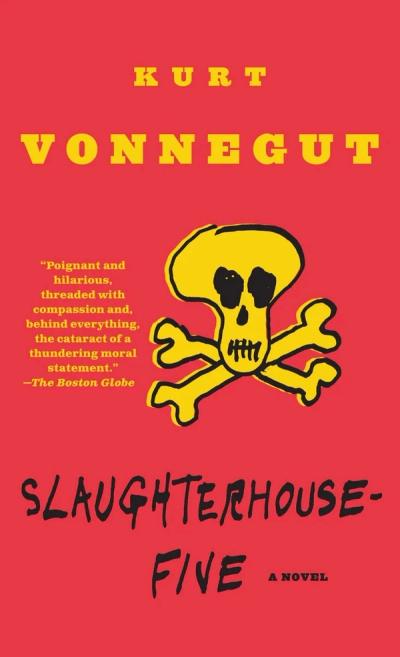
Trauma, time travel, and tinfoil hats.
✦ READ – REFLECT → RESIST
Same pattern, different era
Different time, different place. The same thing keeps happening.
How Europe Underdeveloped Africa
Walter Rodney
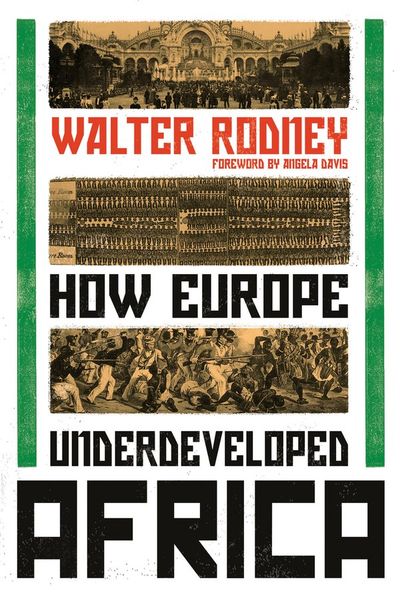
Africa isn't poor. It was made poor.
✦ READ – REFLECT → RESIST
Dear Leader
Jang Jin-sung
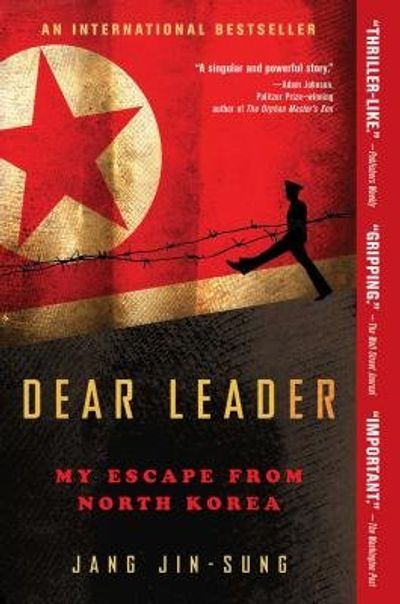
Kim Jong-il's poet defects with the secrets.
✦ READ – REFLECT → RESIST
The House on the Lagoon
Rosario Ferré
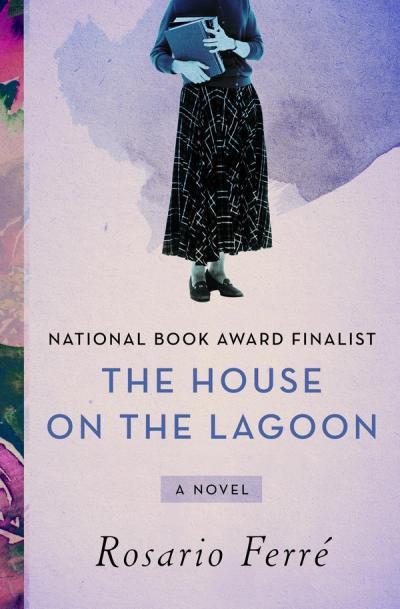
A Puerto Rican family saga and the woman writing it down.
✦ READ – REFLECT → RESIST
Anil's Ghost
Michael Ondaatje
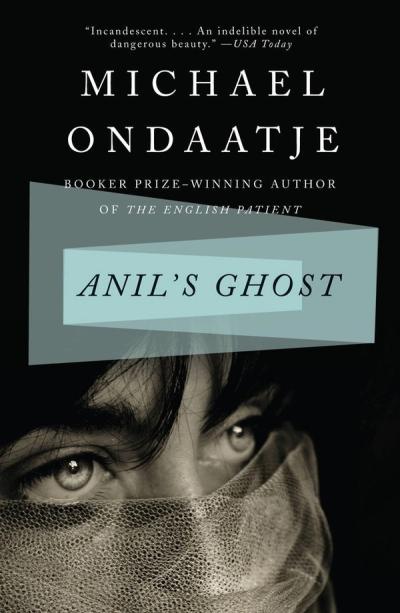
A forensic anthropologist in Sri Lanka tries to name the disappeared.
✦ READ – REFLECT → RESIST
Flip the lens
Same country. Now hear it from the other side.
Wild Swans
Jung Chang
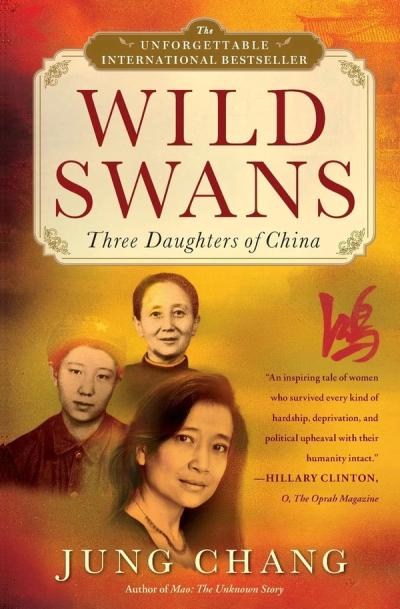
Three Chinese women. One hundred years of upheaval.
✦ READ – REFLECT → RESIST
To Live
Yu Hua
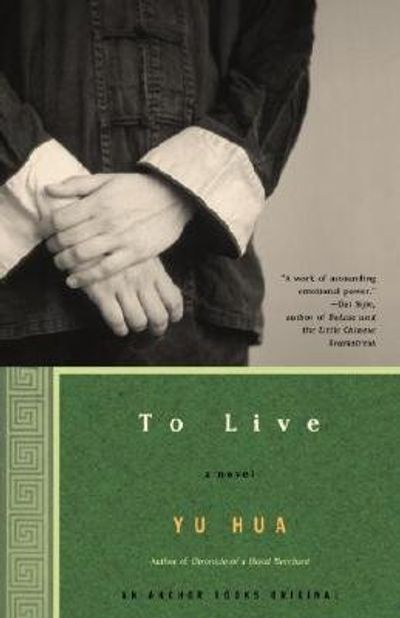
One man. Every catastrophe of modern China. He survives them all.
✦ READ – REFLECT → RESIST
Balzac and the Little Chinese Seamstress
Dai Sijie
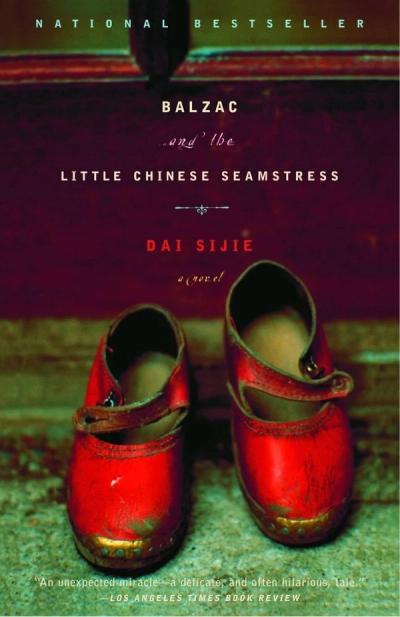
Banned books in a Chinese mountain village. Everyone is changed.
✦ READ – REFLECT → RESIST
The Corpse Walker
Liao Yiwu
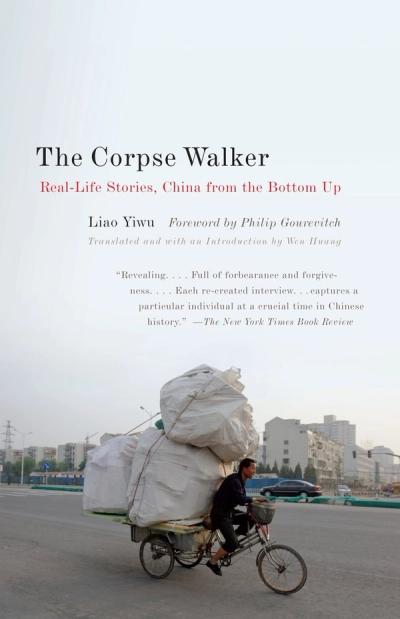
Fourteen Chinese lives the state would rather you didn't hear.
✦ READ – REFLECT → RESIST
For the family bookshelf
Same idea, written for a younger reader. Good for reading together.