
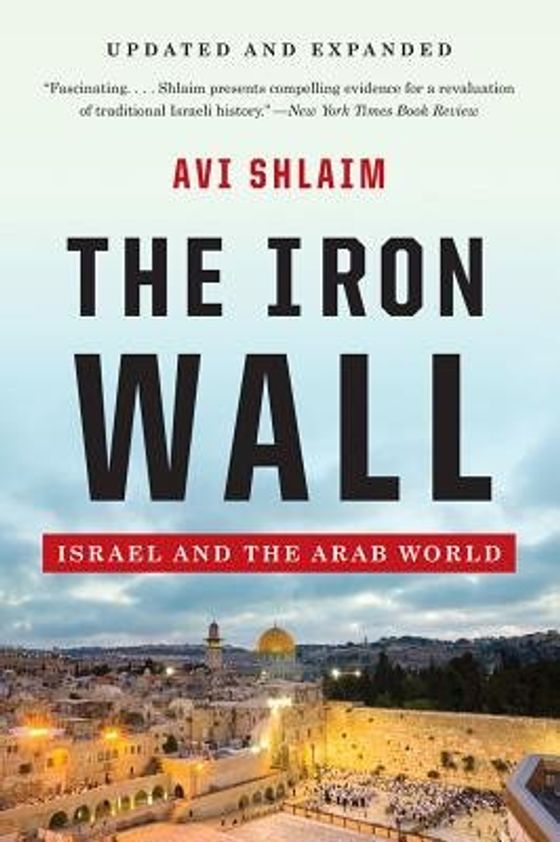
The Iron Wall: Israel and the Arab World
by Avi Shlaim
The doctrine that made peace impossible.
For you if
you want to understand how a security philosophy became a destiny.
⚡ Choose Your Route ⚡
Not sold directly on this site. Support indie bookstores with a new copy, or go sustainable with a used one.
Buy New on Bookshop.orgSupports independent bookstores
— OR —
Find Used on Better World BooksSecondhand & sustainable
$23 MSRP · Paperback
Reference price shown. Other editions may be available.
The Iron Wall is the essential one-volume history of Israel's relationship with the Arab world from 1948 to the present — not as myth, not as press release, but as it actually played out in the archives. Avi Shlaim takes his title from Ze'ev Jabotinsky's 1923 doctrine: that Zionism could only succeed by building an iron wall of military strength so overwhelming that Arab resistance would eventually collapse into negotiation on Zionist terms. Shlaim's argument is that this doctrine — initially rejected even by mainstream Zionism — became, after 1948, the unacknowledged operating logic of every Israeli government. The book traces that logic through wars, peace attempts, occupations, and negotiations: the 1948 war, the Suez Crisis, 1967, Black September, Oslo, Camp David. At each point, Shlaim shows what the documentary record actually says, against what the official version required. Updated through the Oslo collapse and the Second Intifada, The Iron Wall remains the single most comprehensive account of how Israel's security doctrine shaped — and foreclosed — every possibility of peace with its neighbors.
Where This Book Lives
- Setting
- Israel
- Voice
- Written by a Israeli author
Shlaim is the most systematic of the Israeli New Historians — where Benny Morris is preoccupied with the mechanics of 1948 and Pappé with the moral verdict, Shlaim is interested in strategy: how decisions get made, what doctrines actually govern behavior, and how those doctrines produce outcomes their proponents claim not to want. The Iron Wall is the most teachable of his books — it covers the full arc from 1948 to Oslo, it engages seriously with the other side's decision-making (not just Israel's), and it's honest about where the evidence is contested. The seam here is familiar: Shlaim's read of the archive is disputed by other serious historians, and the debate is real. But that debate is visible and explainable, which is exactly the kind of thing P&P is built to put in readers' hands.
Related Viewing
Shares a topic, theme, or setting with this book in the catalog.
5 Broken Cameras(2011)
dir. Emad Burnat & Guy Davidi
Five cameras destroyed. Every one kept filming.
A Palestinian farmer in Bil'in documents his village's nonviolent resistance to encroaching Israeli settlements over five years, structured around each of his cameras' destruction.
Why it’s here: Shot almost entirely by a Palestinian farmer with no filmmaking background, on cameras that kept getting destroyed and kept getting replaced — testimony in the most literal sense, edited (not directed) into shape by an Israeli co-director after the fact.
The Battle of Algiers(1966)
dir. Gillo Pontecorvo
Studied by insurgents and the Pentagon alike.
Docudrama reconstruction of the FLN's urban guerrilla campaign against French colonial rule in Algiers, shot in a deliberately newsreel-like style with mostly non-professional actors.
Why it’s here: Reconstructed with a documentary's texture and an insurgency's actual tactics — studied for decades by both sides of colonial conflict, reportedly including the Pentagon itself ahead of the Iraq occupation. A rare case of a film about power becoming an actual tactical document, not just a representation of one.
Same event, different angle
The same history — told by someone who saw it differently.
Anti-Zionism: A Jewish History
Benjamin Moser

The Jewish tradition they tried to bury.
✦ READ – REFLECT → RESIST
The Ethnic Cleansing of Palestine
Ilan Pappé
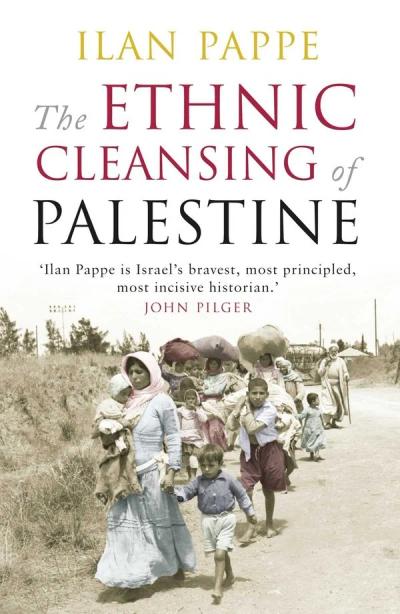
Plan Dalet. Village by village.
✦ READ – REFLECT → RESIST
Mornings in Jenin
Susan Abulhawa
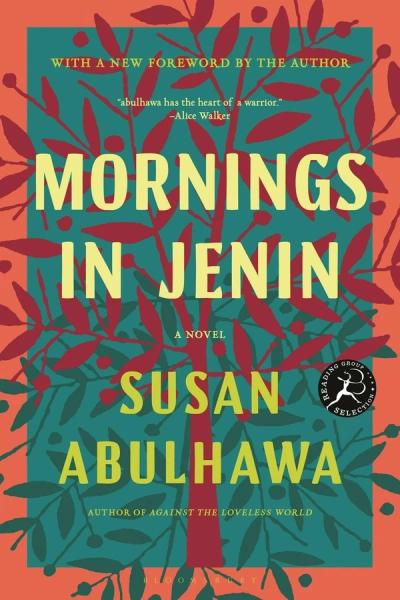
A Palestinian family. Four generations of loss.
✦ READ – REFLECT → RESIST
To the End of the Land
David Grossman
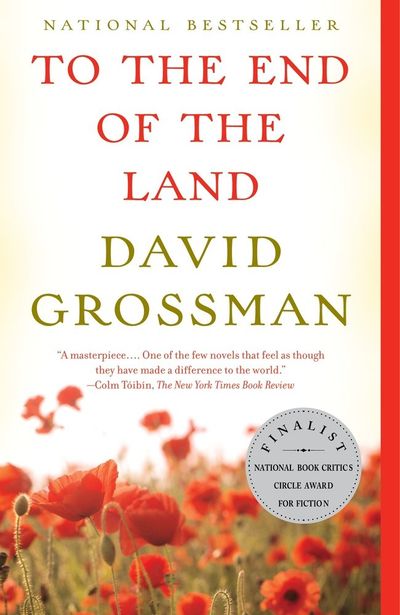
A mother walks Israel to avoid the news of her son.
✦ READ – REFLECT → RESIST
Same pattern, different era
Different time, different place. The same thing keeps happening.
Different Seasons
Stephen King
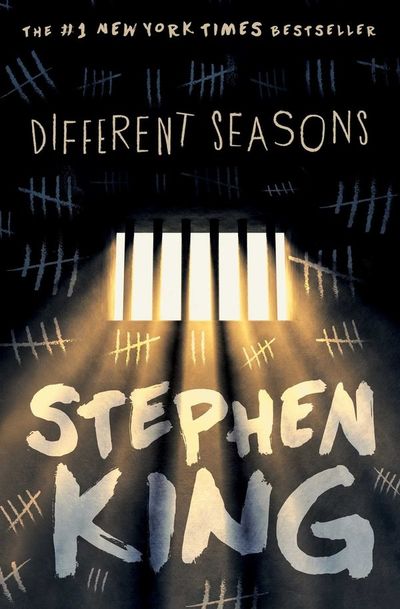
How fascism finds the boy next door.
✦ READ – REFLECT → RESIST
The Ethnic Cleansing of Palestine
Ilan Pappé
Plan Dalet. Village by village.
✦ READ – REFLECT → RESIST
Know My Name: A Memoir
Chanel Miller
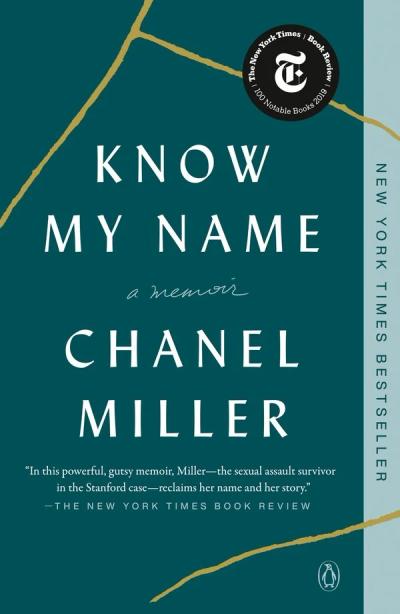
She took her name back from the case.
✦ READ – REFLECT → RESIST
Nineteen Minutes
Jodi Picoult
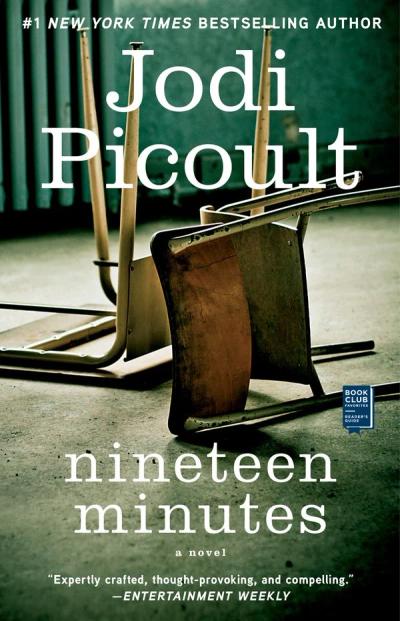
The novel that asks who made the shooter.
✦ READ – REFLECT → RESIST
For the family bookshelf
Same idea, written for a younger reader. Good for reading together.