
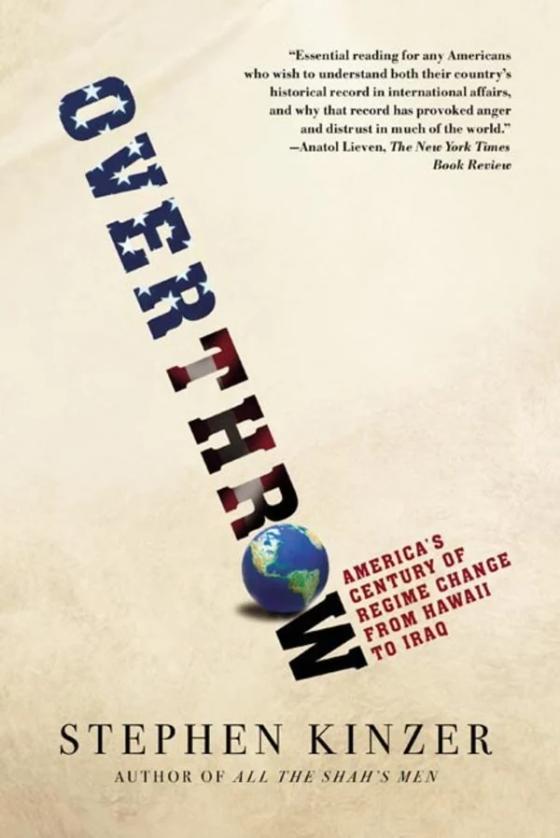
Overthrow: America's Century of Regime Change from Hawaii to Iraq
by Stephen Kinzer
Fourteen regime changes. Fourteen stated reasons.
For you if
you want the pattern behind the headlines about foreign interventions.
⚡ Choose Your Route ⚡
Not sold directly on this site. Support indie bookstores with a new copy, or go sustainable with a used one.
Buy New on Bookshop.orgSupports independent bookstores
— OR —
Find Used on Better World BooksSecondhand & sustainable
$20 MSRP · Paperback
Reference price shown. Other editions may be available.
Kinzer walks through fourteen times the United States removed a foreign government, from the Hawaiian queen in 1893 to Saddam Hussein in 2003. In each case there is a stated reason (freedom, security, order) and a quieter one involving a company, a canal or a market. It reads like a run of short cases, so you can feel the pattern building.
Where This Book Lives
- Topics
- colonialism
Pass with note. Popular history by a journalist, not a scholar, and the 'business interests drove it' thesis is stronger for some cases than others; historians dispute the weight of economic motives. Fills a gap on US empire between the founding myths and the Iran and Palestine bundles. Close relatives: All the Shah's Men (also Kinzer), The Jakarta Method and King Leopold's Ghost.
Related Viewing
Shares a topic, theme, or setting with this book in the catalog.

Exterminate All the Brutes(2021)
dir. Raoul Peck
Same event: Colonialism · Same themes: Propaganda, War and Atrocity
Four hours of the colonial story, unsoftened.
A four-part essay-series by the director of I Am Not Your Negro, following the sentence that Conrad's Kurtz wrote on his report in Heart of Darkness. Peck narrates a history of colonialism, genocide and white supremacy from Columbus to the American West to the Congo, mixing archive footage, animation and staged scenes. It is the story the textbooks soften.
Why it’s here: The series connects things the curriculum keeps apart: colonial violence, slavery, the Holocaust, and the ideas that justified each. What's punk is the refusal of the neutral tone, and the fact that it names the thread. What's pedagogical is that it can be paused, discussed and argued with. Pairs with Discourse on Colonialism, Orientalism and King Leopold's Ghost. Note: it is long, essayistic and dense, and some critics call its sweep too broad.
Where to watch: Hulu (HBO original, 4 episodes, per Hulu series page); verify current US availabilityLetterboxd ↗
Cameraperson(2016)
dir. Kirsten Johnson
Same themes: War and Atrocity, Who Tells History
A cinematographer's outtakes, and what they owe.
Kirsten Johnson has shot documentaries across Bosnia, Rwanda, Afghanistan, Liberia and the United States, and here she cuts together the footage that never made it into the finished films. There's a birth, a wedding, a dying mother, a sniper's view. It is a memoir in outtakes, and it asks what the person holding the camera owes to the person in front of it.
Why it’s here: The film turns the camera around on the person behind it, and asks what it means to film other people's worst days. What's punk is that it refuses the authority of a neutral observer. What's pedagogical is that it's a direct lesson in media literacy, since it shows how footage becomes a story. It matches the film-craft shelf and pairs with Faces Places and Hale County This Morning, This Evening.
Where to watch: HBO Max (subscription); rent $3.99 on Amazon, Apple TV and Fandango At Home (JustWatch US, Oct 2026)Letterboxd ↗
Same event, different angle
The same history — told by someone who saw it differently.
Beauty Is a Wound
Eka Kurniawan
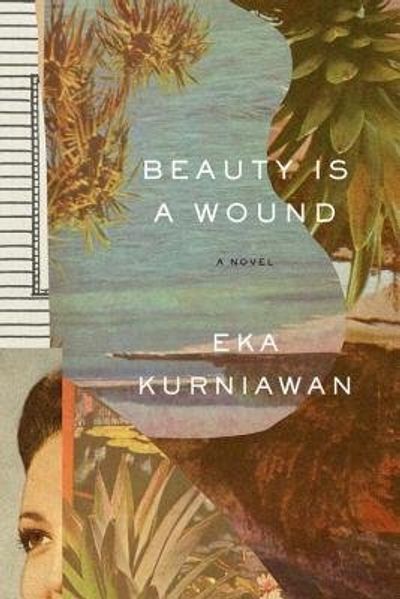
Indonesia's century, told by a woman back from death.
✦ READ – REFLECT → RESIST
The Bridge on the Drina
Ivo Andrić
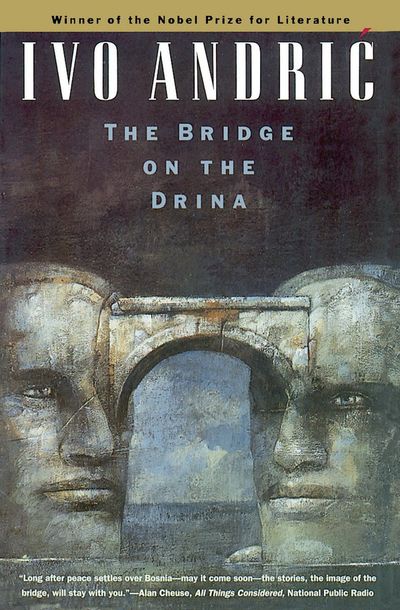
The bridge outlasted them all. Almost.
✦ READ – REFLECT → RESIST
Gulliver's Travels
Jonathan Swift

Swift's mean, necessary joke about rulers.
✦ READ – REFLECT → RESIST
The Pleasures of Exile
George Lamming
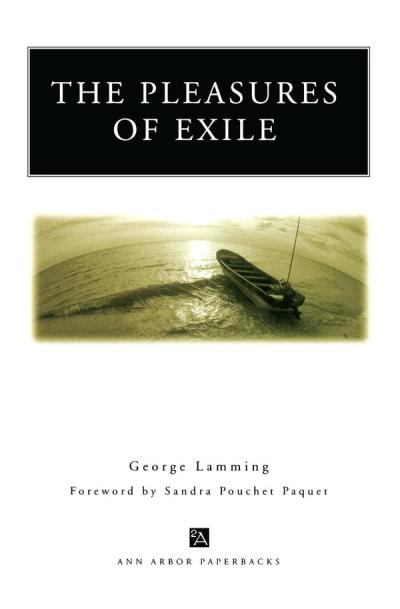
Caliban reads The Tempest and writes back.
✦ READ – REFLECT → RESIST
Same pattern, different era
Different time, different place. The same thing keeps happening.
Beauty Is a Wound
Eka Kurniawan
Indonesia's century, told by a woman back from death.
✦ READ – REFLECT → RESIST
Dear Committee Members
Julie Schumacher
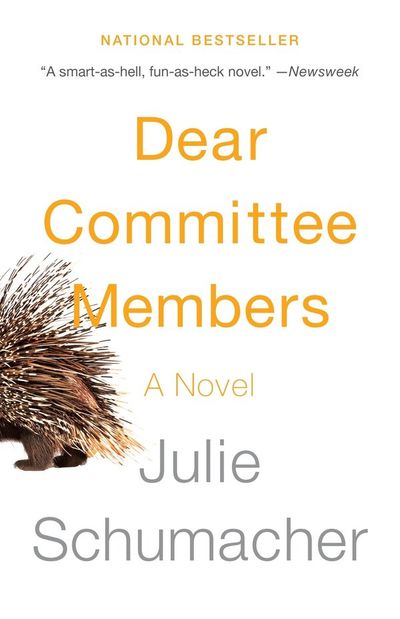
A burnt-out professor and his recommendation letters.
✦ READ – REFLECT → RESIST
Empire of Pain
Patrick Radden Keefe
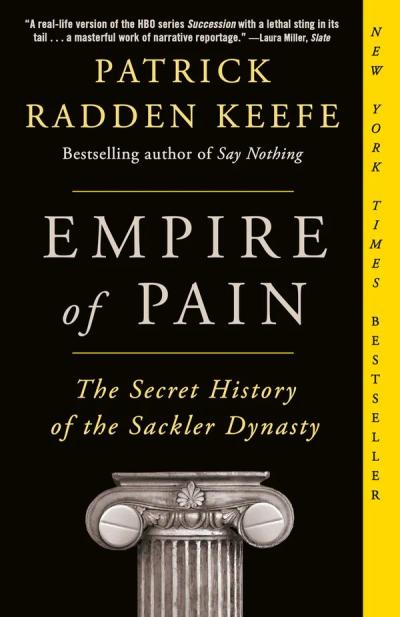
Philanthropy as cover. Addiction as business model.
✦ READ – REFLECT → RESIST
How Europe Underdeveloped Africa
Walter Rodney
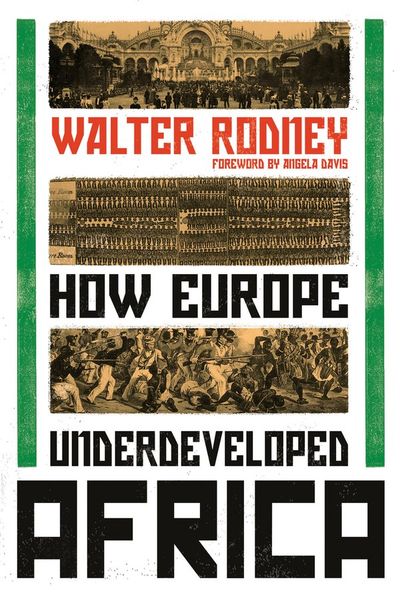
Africa isn't poor. It was made poor.
✦ READ – REFLECT → RESIST
For the family bookshelf
Same idea, written for a younger reader. Good for reading together.
Between Shades of Gray
Ruta Sepetys
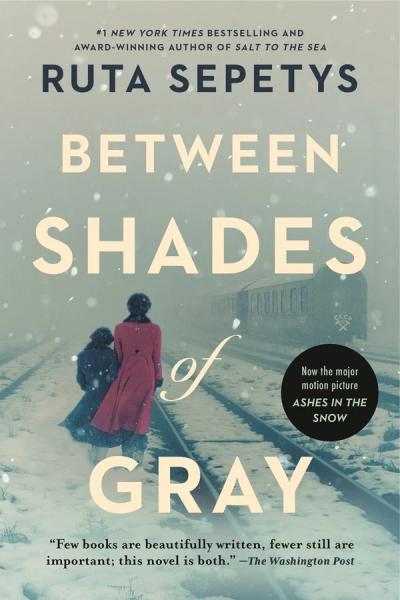
A Lithuanian teen draws her way through Siberia.
✦ READ – REFLECT → RESIST
Dreamland Burning
Jennifer Latham
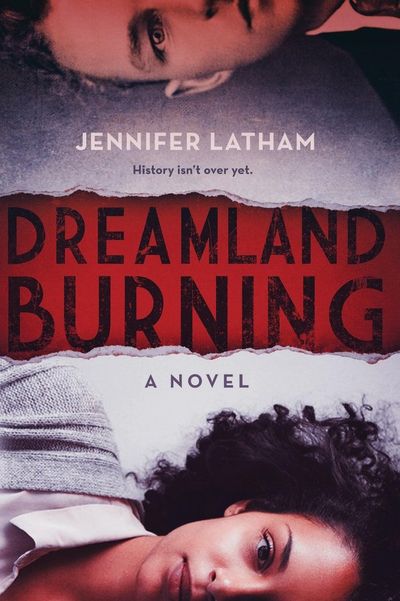
Two Tulsa teens, one buried massacre.
✦ READ – REFLECT → RESIST
Pax
Sara Pennypacker

A boy, a fox, and a war neither started.
✦ READ – REFLECT → RESIST
Sadako and the Thousand Paper Cranes
Eleanor Coerr

A girl folds paper cranes after Hiroshima.
✦ READ – REFLECT → RESIST