
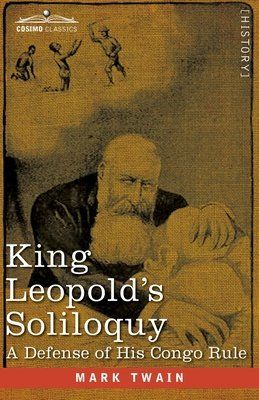
King Leopold's Soliloquy: A Defense of His Congo Rule
by Mark Twain
Twain gives the king a microphone and he hangs himself.
For you if
you want to laugh at a tyrant while the evidence stacks up.
⚡ Choose Your Route ⚡
Not sold directly on this site. Support indie bookstores with a new copy, or go sustainable with a used one.
Buy New on Bookshop.orgSupports independent bookstores
— OR —
Find Used on Better World BooksSecondhand & sustainable
$12 MSRP · Paperback
Reference price shown. Other editions may be available.
In 1905 Mark Twain wrote a pamphlet in the voice of King Leopold II of Belgium, complaining to the world that missionaries and a new invention, the Kodak camera, had exposed what he was doing in the Congo. The king whines, blusters and counts his profits, and in doing so lets the horror speak for itself. It is a short, savage satire against empire, written to raise money for the Congo reform movement, and it still works as a lesson in how a powerful man talks about his own crimes.
Where This Book Lives
- Topics
- colonialism
Pass with note. Very short, and brutal in its content despite the tone; it includes photographs and testimony. Twain's record on race outside this work is mixed and well known, though here he stands firmly with the Congolese. Editions vary, including public-domain reprints. Availability flag: confirm a print edition at Bookshop.org. Direct companion to King Leopold's Ghost in the catalog. Close relatives: A Modest Proposal, Discourse on Colonialism and The Looting Machine (suggested 10-27).
Related Viewing
Shares a topic or setting with this book, or several of its themes.

Exterminate All the Brutes(2021)
dir. Raoul Peck
Same event: Colonialism · Same theme: Propaganda
Four hours of the colonial story, unsoftened.
A four-part essay-series by the director of I Am Not Your Negro, following the sentence that Conrad's Kurtz wrote on his report in Heart of Darkness. Peck narrates a history of colonialism, genocide and white supremacy from Columbus to the American West to the Congo, mixing archive footage, animation and staged scenes. It is the story the textbooks soften.
Why it’s here: The series connects things the curriculum keeps apart: colonial violence, slavery, the Holocaust, and the ideas that justified each. What's punk is the refusal of the neutral tone, and the fact that it names the thread. What's pedagogical is that it can be paused, discussed and argued with. Pairs with Discourse on Colonialism, Orientalism and King Leopold's Ghost. Note: it is long, essayistic and dense, and some critics call its sweep too broad.
Where to watch: Hulu (HBO original, 4 episodes, per Hulu series page); verify current US availabilityLetterboxd ↗
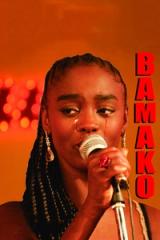
Bamako(2006)
dir. Abderrahmane Sissako
Same event: Colonialism
A Malian courtyard puts the World Bank on trial.
In a courtyard in Bamako, Mali, a real trial is staged: African civil society puts the World Bank and the IMF in the dock for the damage done by structural adjustment. Lawyers argue, witnesses testify, and around them the family life of the yard goes on: a singer, a husband and wife whose marriage is breaking, a man building a grave. Sissako lets a western play on a television in the background. It is a film that argues, and is also a film about people.
Why it’s here: It's a film that puts debt and aid on trial, in the courtyard where they land. What's punk is the staging: the powerful are summoned to a poor man's yard and made to answer. What's pedagogical is the way it makes an abstract system concrete, with testimony, cross-examination and the lives around it. Pairs with Debt, The Shock Doctrine and Xala. Note: slow, argumentative and in French and Bambara with subtitles; includes a staged western spoof and an intentionally uncomfortable moment of violence. Sissako's Timbuktu was suggested 10-14.
Where to watch: Subscription: MUBI ($14.99/mo), OVID ($6.99/mo); free with library card on Kanopy, Hoopla; rent $3.99 Amazon / $4.99 Apple TV; buy $10.99 (JustWatch US, checked 2026-10-01, re-check). Verify.Letterboxd ↗
Same event, different angle
The same history — told by someone who saw it differently.
A Peace to End All Peace: The Fall of the Ottoman Empire and the Creation of the Modern Middle East
David Fromkin
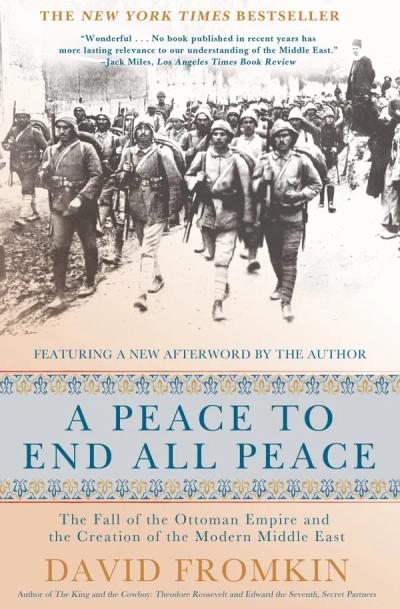
The deals that drew the Middle East in a hurry.
✦ READ – REFLECT → RESIST
Aloha Betrayed: Native Hawaiian Resistance to American Colonialism
Noenoe K. Silva
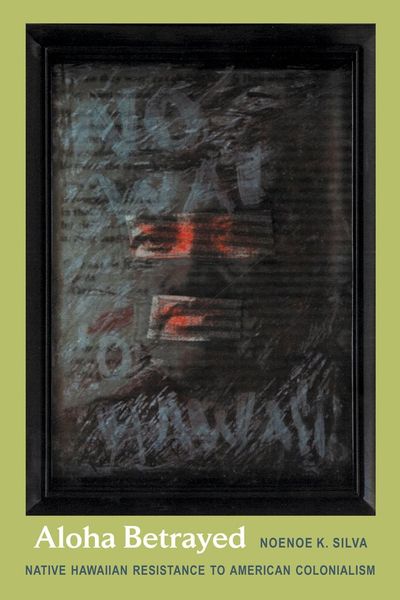
Hawaiians fought annexation. The archive proves it.
✦ READ – REFLECT → RESIST
Beauty Is a Wound
Eka Kurniawan
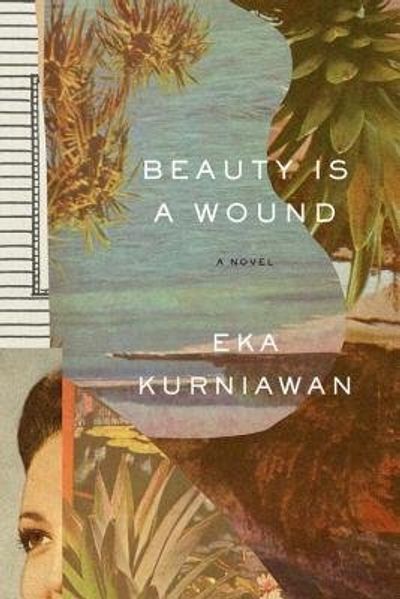
Indonesia's century, told by a woman back from death.
✦ READ – REFLECT → RESIST
Black Marxism: The Making of the Black Radical Tradition
Cedric J. Robinson
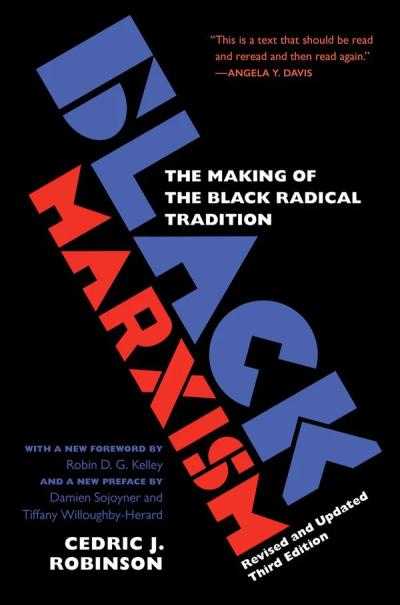
Capitalism was racial from day one.
✦ READ – REFLECT → RESIST
Same pattern, different era
Different time, different place. The same thing keeps happening.
A Brief History of Neoliberalism
David Harvey
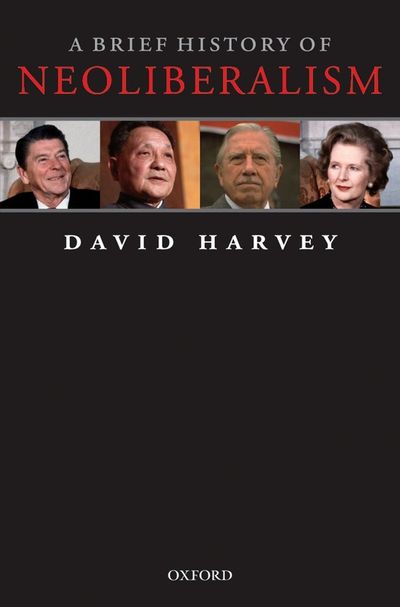
How "free markets" became everyone's common sense.
✦ READ – REFLECT → RESIST
A Peace to End All Peace: The Fall of the Ottoman Empire and the Creation of the Modern Middle East
David Fromkin
The deals that drew the Middle East in a hurry.
✦ READ – REFLECT → RESIST
A Small Place
Jamaica Kincaid
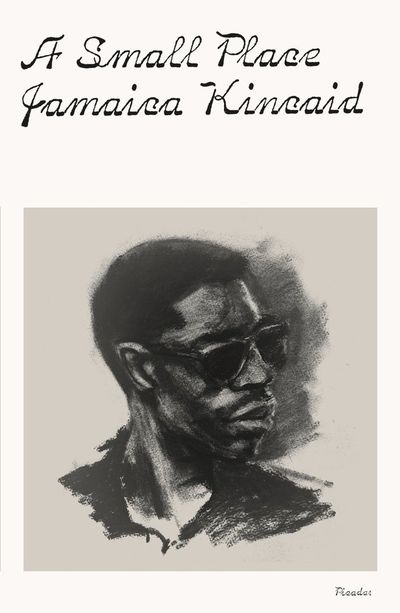
The tourist brochure, answered.
✦ READ – REFLECT → RESIST
Aloha Betrayed: Native Hawaiian Resistance to American Colonialism
Noenoe K. Silva
Hawaiians fought annexation. The archive proves it.
✦ READ – REFLECT → RESIST
For the family bookshelf
Same idea, written for a younger reader. Good for reading together.
Nimona
ND Stevenson
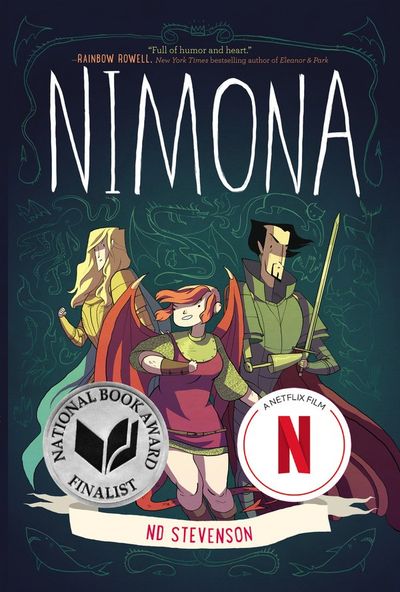
The villain's sidekick can become anything.
✦ READ – REFLECT → RESIST
Nothing But the Truth: A Documentary Novel
Avi
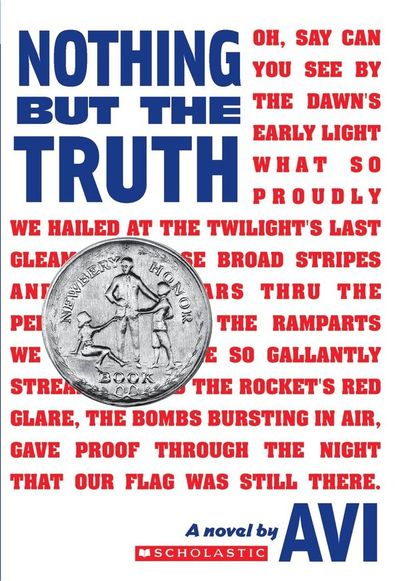
How one small moment becomes a national story.
✦ READ – REFLECT → RESIST
The Hunger Games
Suzanne Collins
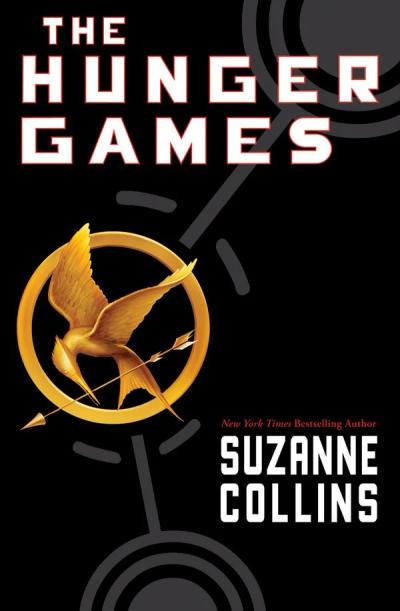
Kids fight on TV so the districts stay quiet.
✦ READ – REFLECT → RESIST