
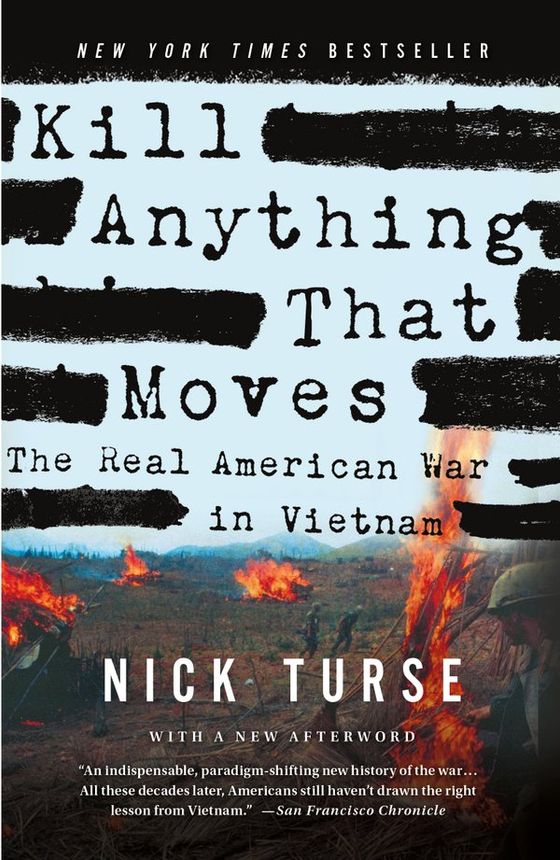
Kill Anything That Moves: The Real American War in Vietnam
by Nick Turse
My Lai was the policy, not the exception.
For you if
you were taught Vietnam as a tragedy of mistakes, not a system of orders.
⚡ Choose Your Route ⚡
Not sold directly on this site. Support indie bookstores with a new copy, or go sustainable with a used one.
Buy New on Bookshop.orgSupports independent bookstores
— OR —
Find Used on Better World BooksSecondhand & sustainable
$20 MSRP · Paperback
Reference price shown. Other editions may be available.
Turse went into the National Archives and found the files the Pentagon had quietly buried: hundreds of pages from a military task force that investigated war crimes in Vietnam. His argument is that the My Lai massacre was not a rogue day but the policy working as designed. Free-fire zones, body-count quotas and orders to treat any Vietnamese as the enemy produced civilian death on an industrial scale. After this, 'a few bad apples' stops sounding like an explanation.
Where This Book Lives
Pass with note. Graphic and relentless, with named victims and named units; read it in pieces. Some historians say Turse leans on the worst cases and cannot establish how typical they were, though his archival record is hard to dismiss. Turse is a mainstream investigative journalist with no documented concerns. Close relatives: In Our Image, Dispatches (Herr), The Sorrow of War and The Jakarta Method.
Related Viewing
Shares a topic or setting with this book, or several of its themes.

Exterminate All the Brutes(2021)
dir. Raoul Peck
Same themes: Structural Violence, War and Atrocity
Four hours of the colonial story, unsoftened.
A four-part essay-series by the director of I Am Not Your Negro, following the sentence that Conrad's Kurtz wrote on his report in Heart of Darkness. Peck narrates a history of colonialism, genocide and white supremacy from Columbus to the American West to the Congo, mixing archive footage, animation and staged scenes. It is the story the textbooks soften.
Why it’s here: The series connects things the curriculum keeps apart: colonial violence, slavery, the Holocaust, and the ideas that justified each. What's punk is the refusal of the neutral tone, and the fact that it names the thread. What's pedagogical is that it can be paused, discussed and argued with. Pairs with Discourse on Colonialism, Orientalism and King Leopold's Ghost. Note: it is long, essayistic and dense, and some critics call its sweep too broad.
Where to watch: Hulu (HBO original, 4 episodes, per Hulu series page); verify current US availabilityLetterboxd ↗
Hearts and Minds(1974)
dir. Peter Davis
Same themes: Complicity, State Violence
Vietnam, in the words of those who waged it.
A documentary about the American war in Vietnam, made while the war was still being fought. Davis intercuts interviews with generals, officials, pilots, veterans, grieving Vietnamese families and ordinary Americans, setting the language of policy against what that policy did on the ground and at home.
Why it’s here: The punk move is the editing: Davis lets the war's architects talk at length, then cuts their words against a funeral, a bombed village or a cheering football crowd, and trusts the audience to feel the gap. The pedagogy is in how the film teaches viewers to hear the language of power, euphemism and abstraction included, while looking at what it covers up. Worth knowing that the juxtaposition is the argument, and General Westmoreland and others objected that their words were framed unfairly, so watch it as a persuasive documentary, not a neutral record.
Where to watch: Criterion Channel, HBO MaxLetterboxd ↗
Same pattern, different era
Different time, different place. The same thing keeps happening.
Abolition. Feminism. Now.
Angela Y. Davis, Gina Dent, Erica R. Meiners & Beth E. Richie
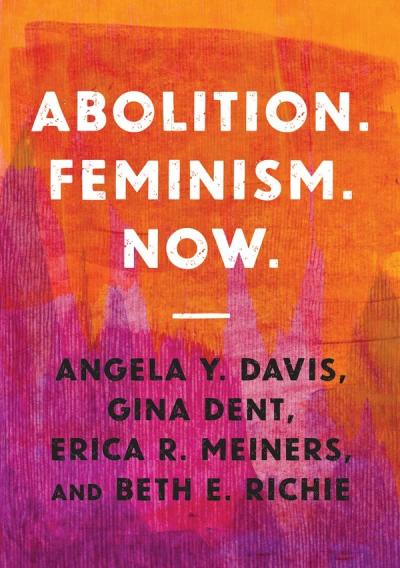
Safety without cages, built by feminists.
✦ READ – REFLECT → RESIST
Animal's People
Indra Sinha
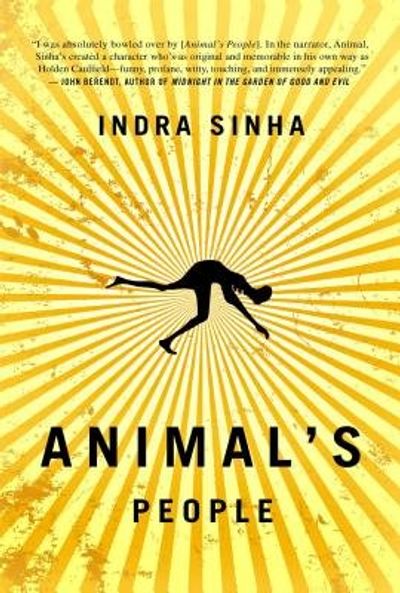
A Bhopal survivor tells it his way.
✦ READ – REFLECT → RESIST
Beauty Is a Wound
Eka Kurniawan
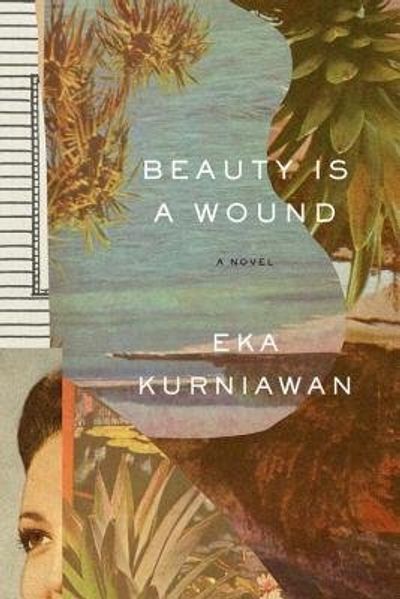
Indonesia's century, told by a woman back from death.
✦ READ – REFLECT → RESIST
Dancing in the Streets: A History of Collective Joy
Barbara Ehrenreich
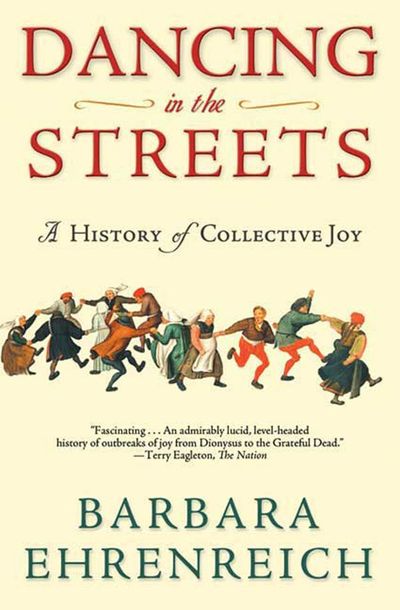
Why rulers keep trying to ban the party.
✦ READ – REFLECT → RESIST
For the family bookshelf
Same idea, written for a younger reader. Good for reading together.
Between Shades of Gray
Ruta Sepetys
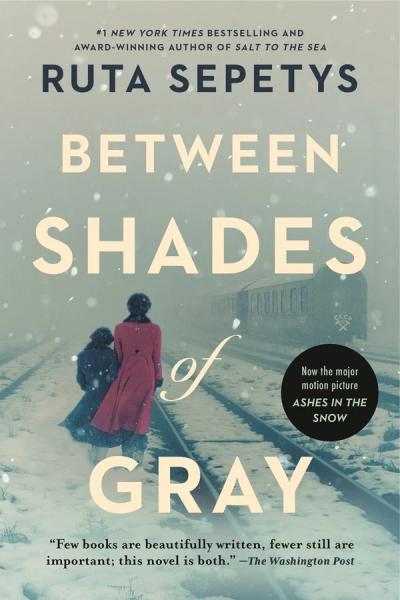
A Lithuanian teen draws her way through Siberia.
✦ READ – REFLECT → RESIST
Dreamland Burning
Jennifer Latham
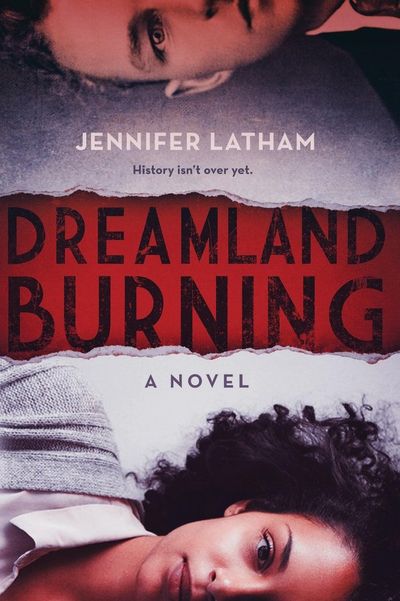
Two Tulsa teens, one buried massacre.
✦ READ – REFLECT → RESIST
Pax
Sara Pennypacker
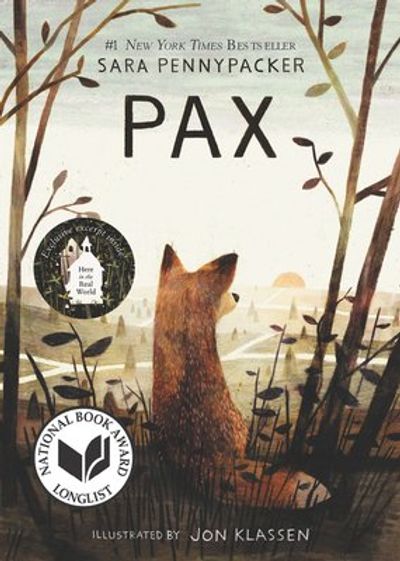
A boy, a fox, and a war neither started.
✦ READ – REFLECT → RESIST
Pet
Akwaeke Emezi

The monsters are gone. Someone forgot to tell Pet.
✦ READ – REFLECT → RESIST