
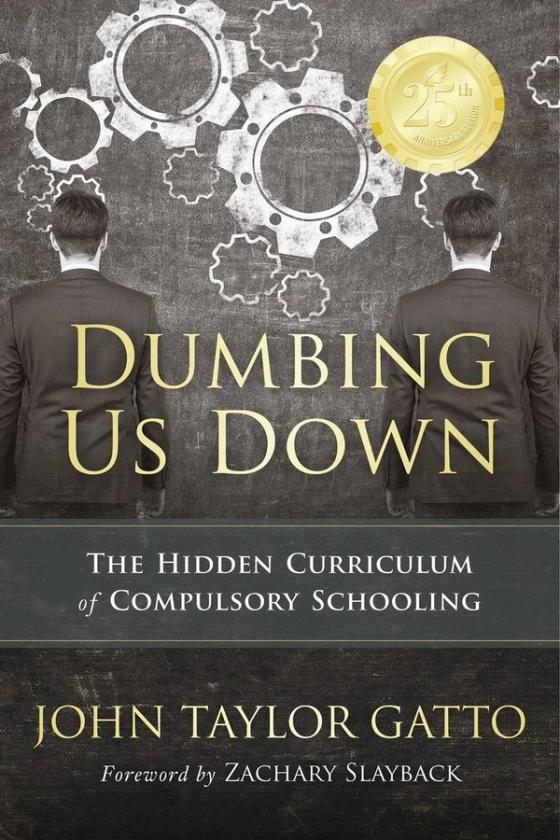
Dumbing Us Down
by John Taylor Gatto
NYC Teacher of the Year quit. Here's what school actually teaches.
For you if
you want to understand what school is teaching your child beyond the subjects on the report card
⚡ Choose Your Route ⚡
Not sold directly on this site. Support indie bookstores with a new copy, or go sustainable with a used one.
Buy New on Bookshop.orgSupports independent bookstores
— OR —
Find Used on Better World BooksSecondhand & sustainable
$20 MSRP
Reference price shown. Other editions may be available.
Gatto was New York City Teacher of the Year three times before quitting in a Wall Street Journal op-ed in which he announced he was no longer willing to hurt children for a living. This collection of essays is his indictment of compulsory schooling — not bad schools, but school itself. His argument: the seven lessons school actually teaches are confusion, class position, indifference, emotional dependency, intellectual dependency, provisional self-esteem, and that you are always being watched. Not the curriculum but the hidden curriculum — the message delivered by the structure itself regardless of what any individual teacher does. The most radical education critique written by someone who taught in the system for thirty years. Essential companion to Deschooling Society and the book that most honestly names what school is actually for.
Where This Book Lives
Part of a Reading Journey
Related Viewing
Shares a topic, theme, or setting with this book in the catalog.
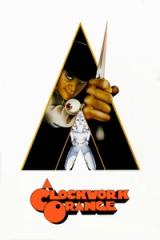
A Clockwork Orange(1971)
dir. Stanley Kubrick
State violence dressed up as your rehabilitation.
In a near-future Britain, teenage gang leader Alex is imprisoned for ultraviolence and subjected to an experimental state conditioning program meant to strip him of the capacity for violent choice. Adapted from Anthony Burgess's novel.
Why it’s here: Punk in refusing to resolve the discomfort — Alex is a monster, and the state's "cure" is its own kind of monstrous. Pedagogical in forcing the question of whether choosing evil is more human than being engineered into goodness.
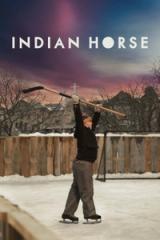
Indian Horse(2017)
dir. Stephen S. Campanelli
Hockey couldn't save him from what came before.
Torn from his Ojibway family and committed to a Catholic residential school in 1950s Ontario, Saul Indian Horse survives institutional abuse and finds an unlikely refuge in hockey — though the game can't undo what the school did. Adapted from Richard Wagamese's novel.
Why it’s here: Punk in refusing to let athletic triumph erase institutional abuse — Saul's hockey talent doesn't heal the residential school system that tried to break him. Pedagogical in showing how trauma and skill can coexist in the same body without cancelling each other out.
Same pattern, different era
Different time, different place. The same thing keeps happening.
Catch and Kill: Lies, Spies, and a Conspiracy to Protect Predators
Ronan Farrow
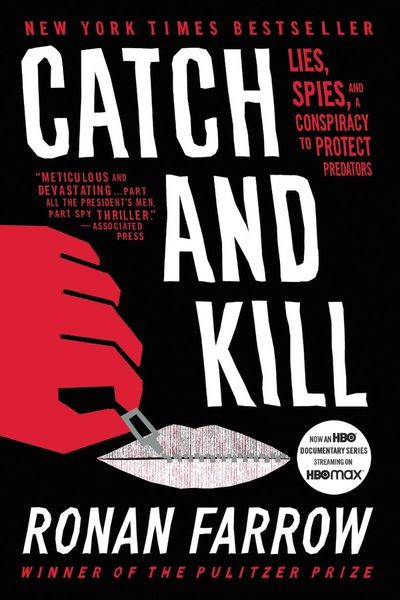
He had the story. NBC killed it.
✦ READ – REFLECT → RESIST
Impro for Storytellers
Keith Johnstone
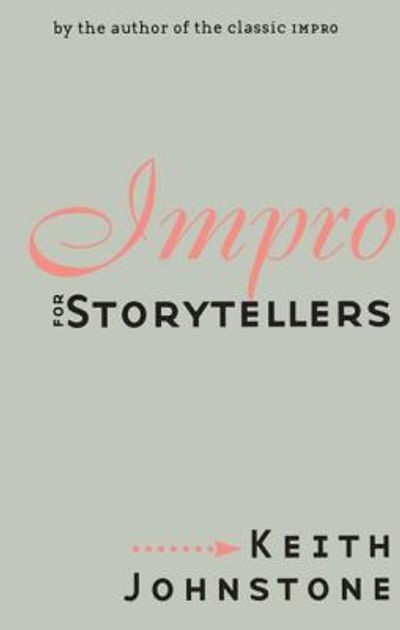
Make it up. Mean it anyway.
✦ READ – REFLECT → RESIST
We Want to Do More Than Survive
Bettina L. Love
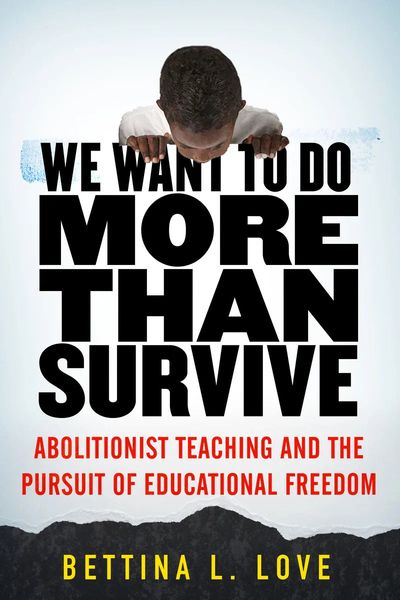
Education as rebellion, not compliance.
✦ READ – REFLECT → RESIST
Pedagogy of Hope
Paulo Freire
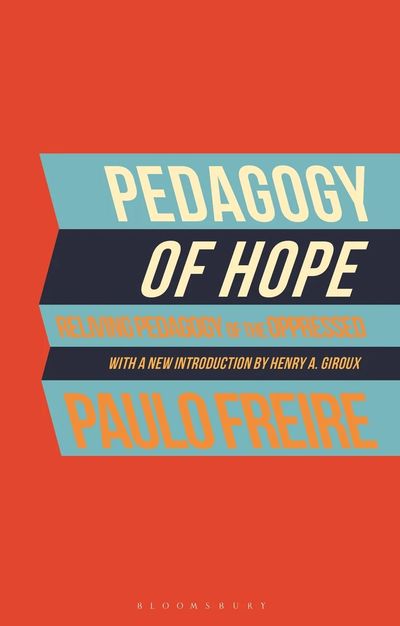
The revolution’s still in session.
✦ READ – REFLECT → RESIST
For the family bookshelf
Same idea, written for a younger reader. Good for reading together.
Stamped (for Kids)
Jason Reynolds & Ibram X. Kendi
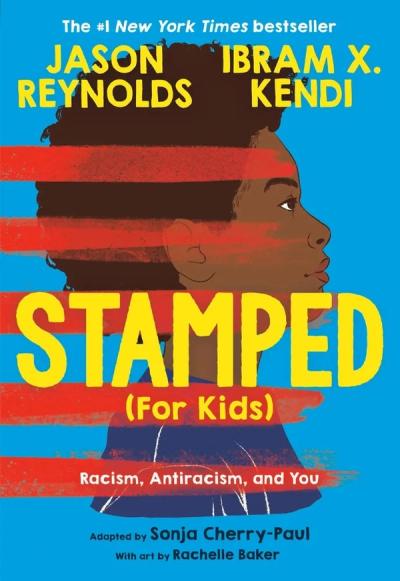
Unlearning racism, one page at a time.
✦ READ – REFLECT → RESIST
Pedagogy of the Oppressed
Paulo Freire
Classroom meets liberation front.
✦ READ – REFLECT → RESIST
The Losers Club
Andrew Clements
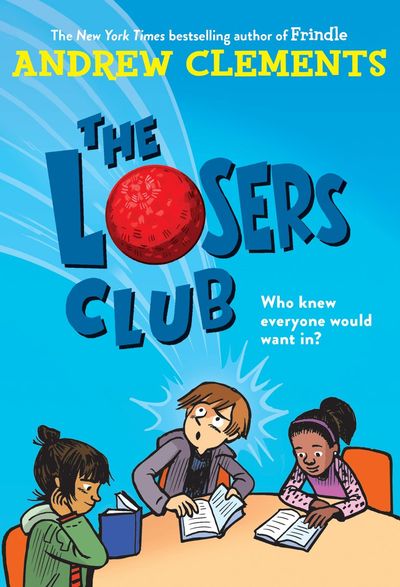
He loves reading. He hates reading club. He starts his own.
✦ READ – REFLECT → RESIST
The Phantom Tollbooth
Norton Juster
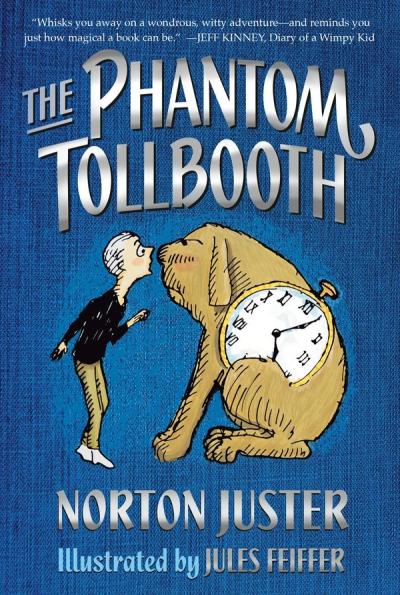
A bored boy drives through a tollbooth. The other side is worth it.
✦ READ – REFLECT → RESIST