Who Draws the Line: The Map Decides Before You Vote
Voters are voting in maps redrawn after Callais. How government-drawn lines became power, and who gets to redraw them.
On Tuesday, a lot of Americans will vote inside lines that were redrawn after the Supreme Court changed the rules in April. In Louisiana v. Callais, the Court struck down Louisiana's second majority-Black district and narrowed Section 2 of the Voting Rights Act, the part that let voters challenge maps that water down their power. Justice Kagan's dissent says it leaves the provision close to dead. Within weeks, Louisiana dissolved that district, Tennessee split Memphis's majority-Black district three ways, and Florida redrew four seats to favor Republicans. Texas and California had already redrawn theirs.
You'll hear that both parties do this. They do. But this ruling made it easier, and it landed hardest where Black voters had won representation under the law. Before anyone votes, someone draws the line. That's the whole trick.
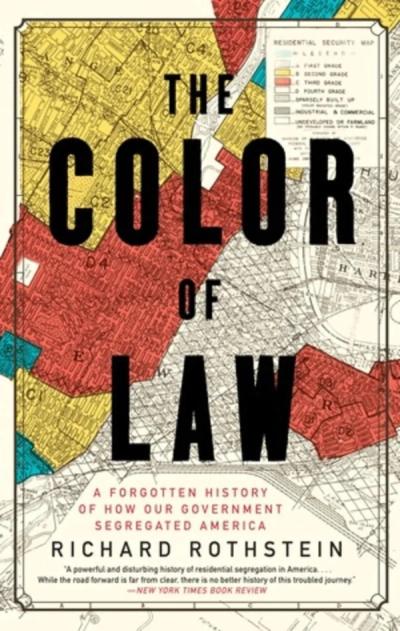
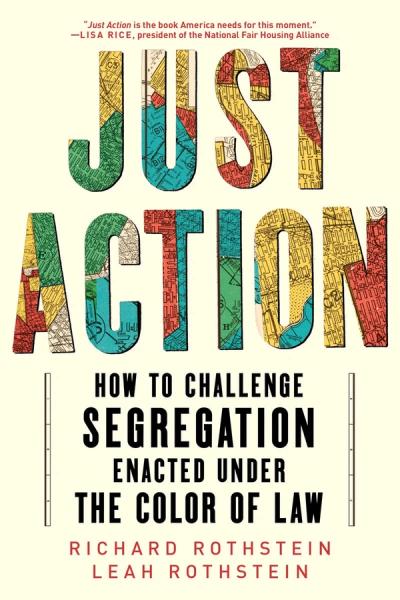
Rothstein shows that the lines dividing American neighborhoods were drawn on purpose, by federal, state and local government, not by "how people sorted themselves." Start here, because every district map is built on top of those lines.
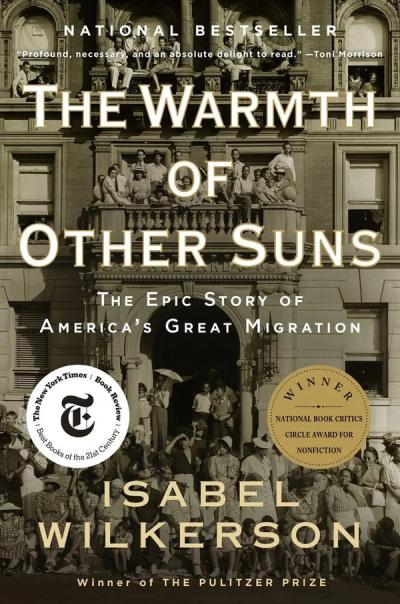
Six million Black Americans left the South between 1915 and 1970, and Wilkerson follows three of them. This is what it costs to live somewhere that has counted you out, and to leave it.
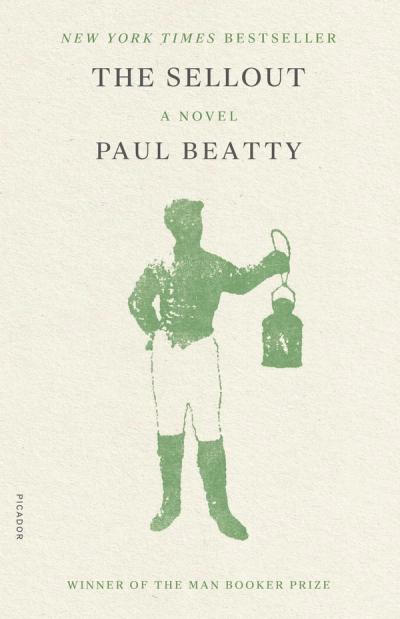
The narrator lives in Dickens, an LA-area town that has been erased from the map, and goes to ridiculous lengths to put it back. It's a joke about what a boundary line can do to a place, and it's rude, so be ready.
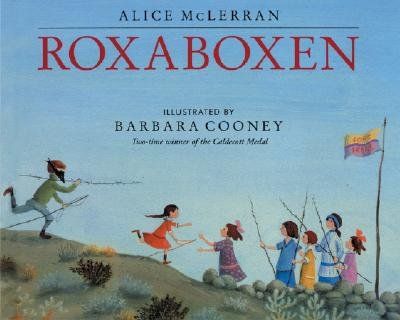
Kids understand lines before they understand politics: who's on which side of the playground, who gets to say where the town ends. These books give them kids who draw a whole desert town and its rules, a girl who marched at age nine, and a young congressman-to-be sitting at a lunch counter. They also give older readers the backlash that follows every step toward equal voting. You raise kids who ask who drew the line, and who gets to redraw it.
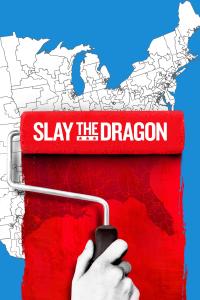
“The books show who drew the lines and what it cost the people inside them. This film shows a group of ordinary people deciding they can take the pen away from the mapmakers, and then trying to. It’s the Arc 4 question, “what can you actually do?”, as a story: a volunteer campaign in Michigan aimed at the people who draw their own districts. One caution: its fight is mainly over partisan gerrymandering, and it was made before the April ruling, so the race and Voting Rights Act story is in the books, not the film.
Katie Fahey founds Voters Not Politicians, a volunteer campaign to take map-drawing power away from Michigan's legislators. The film follows that fight and sets it inside the bigger story of how partisan gerrymandering works, with redistricting experts like Stephen Wolf and David Daley explaining the mechanics. It's a procedural about a procedure most people were told to ignore.
Why it’s here: Most people treat district maps as weather: something that happens to you. This film shows ordinary people deciding they're allowed to touch them. What's punk is the audacity of a volunteer campaign aimed at the people who write their own job security. What's pedagogical is that it makes the mechanics legible, who draws the lines, why it matters and what a fix looks like, then shows a fix being fought for. Note: the fight in the film is mainly over partisan gerrymandering, and it predates the 2026 Voting Rights Act ruling, so it won't cover what has changed since.
Where to watch: Free with ads on YouTube; rent on Apple TV, Amazon · Letterboxd ↗