
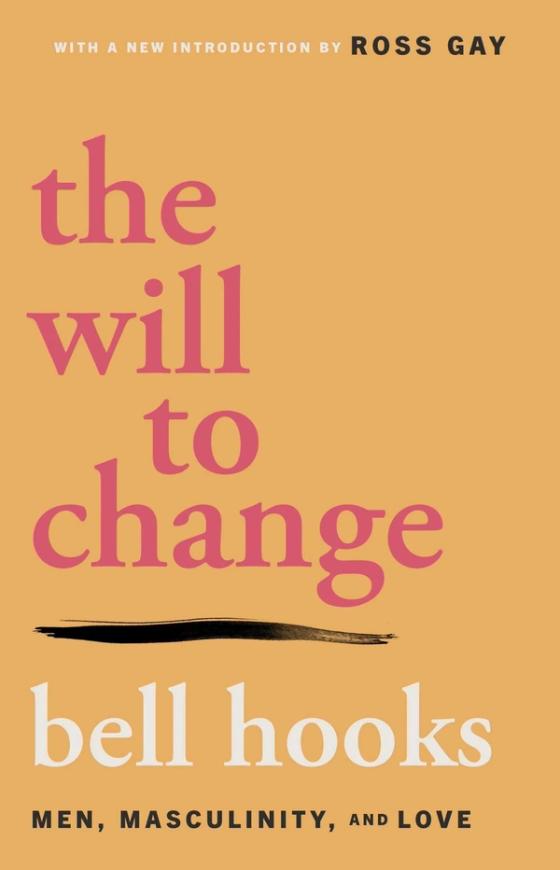
The Will to Change: Men, Masculinity, and Love
by bell hooks
Rewriting masculinity from the inside out.
For you if
you love a man who doesn't know how to let himself be loved
⚡ Choose Your Route ⚡
Not sold directly on this site. Support indie bookstores with a new copy, or go sustainable with a used one.
Buy New on Bookshop.orgSupports independent bookstores
— OR —
Find Used on Better World BooksSecondhand & sustainable
$13 MSRP
Reference price shown. Other editions may be available.
In The Will to Change, bell hooks dismantles the emotional cage of patriarchy — not just for women, but for men trapped inside its narrow scripts of toughness, silence, and domination. With her signature clarity and compassion, she argues that men are taught to fear vulnerability and sever themselves from love, creating generational cycles of harm. This is hooks at her most tender and revolutionary: calling for a reimagining of masculinity rooted in empathy, accountability, and the courage to feel.
Where This Book Lives
- Themes
- masculinitypatriarchy
Related Viewing
Shares a topic, theme, or setting with this book in the catalog.

Last Exit to Brooklyn(1989)
dir. Uli Edel
The American Dream's discarded people.
In 1950s Brooklyn, a closeted union organizer, a teenage sex worker, and a pregnant factory girl move through interlocking stories of poverty, violence, and desperation during a labor strike. Adapted from Hubert Selby Jr.'s novel.
Why it’s here: Punk in refusing any redemptive arc — this is 1950s Brooklyn stripped of nostalgia, populated by people crushed by poverty, homophobia, and violence with no way out. Pedagogical, with a real content warning, in showing what "the good old days" actually cost the people the myth left out.

Like Water for Chocolate(1992)
dir. Alfonso Arau
Forbidden love, served through food.
In early-1900s Mexico, Tita is forbidden by family tradition from marrying the man she loves, so she pours her longing into the food she cooks — food that carries her emotions, sometimes literally, into everyone who eats it. Adapted from Laura Esquivel's novel.
Why it’s here: Punk in making a kitchen the site of rebellion — Tita's cooking becomes the one language her mother can't control or silence. Pedagogical in showing how inherited "duty" polices women's desire generation after generation, and what it costs to break that chain.
Same pattern, different era
Different time, different place. The same thing keeps happening.
A Year of Biblical Womanhood
Rachel Held Evans

She followed the rules. The rules lost.
✦ READ – REFLECT → RESIST
Boys & Sex
Peggy Orenstein

Ask boys about sex. Then listen.
✦ READ – REFLECT → RESIST
Jesus and John Wayne
Kristin Kobes Du Mez

Cowboy Jesus and the cult of manhood.
✦ READ – REFLECT → RESIST
The Vegetarian
Han Kang

She stopped eating meat. Everyone decided it was their problem.
✦ READ – REFLECT → RESIST
For the family bookshelf
Same idea, written for a younger reader. Good for reading together.