
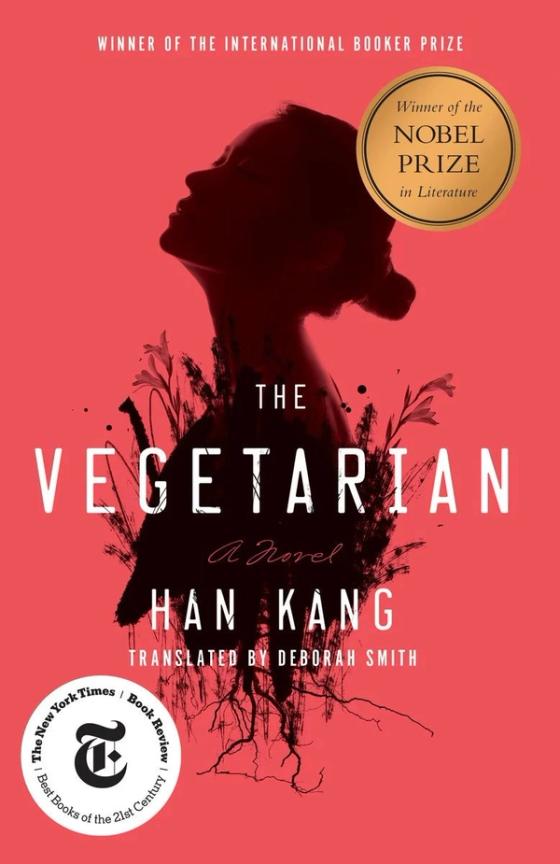
The Vegetarian
by Han Kang
She stopped eating meat. Everyone decided it was their problem.
For you if
you want to understand female bodily autonomy as a political act through its most extreme and quiet expression
⚡ Choose Your Route ⚡
Not sold directly on this site. Support indie bookstores with a new copy, or go sustainable with a used one.
Buy New on Bookshop.orgSupports independent bookstores
— OR —
Find Used on Better World BooksSecondhand & sustainable
$18 MSRP
Reference price shown. Other editions may be available.
Yeong-hye decides to stop eating meat after a violent dream. Her husband, her father, her brother-in-law — the men around her treat this as a crisis to be managed, a defiance to be corrected, a symptom to be treated. Han Kang uses a woman's refusal to eat as a dispatch from inside the female body as contested territory — what it means to assert ownership over the most basic physical act in a society that has decided women's bodies are not their own. Booker Prize winner. One of the most formally unsettling novels on this shelf.
Where This Book Lives
- Setting
- South Korea • East Asia
- Voice
- Written by a South Korean author
Related Viewing
Shares a topic, theme, or setting with this book in the catalog.

Like Water for Chocolate(1992)
dir. Alfonso Arau
Forbidden love, served through food.
In early-1900s Mexico, Tita is forbidden by family tradition from marrying the man she loves, so she pours her longing into the food she cooks — food that carries her emotions, sometimes literally, into everyone who eats it. Adapted from Laura Esquivel's novel.
Why it’s here: Punk in making a kitchen the site of rebellion — Tita's cooking becomes the one language her mother can't control or silence. Pedagogical in showing how inherited "duty" polices women's desire generation after generation, and what it costs to break that chain.

Miss Representation(2011)
dir. Jennifer Siebel Newsom
Media's role in shrinking what power looks like.
Interviews with journalists, politicians, and media figures examine how narrow media portrayals of women connect to their underrepresentation in positions of power.
Why it’s here: Assembles an unusually wide range of women across politics, journalism, and entertainment to make one plain argument: the narrowness of how women get shown is not incidental to how few end up in power. Direct and unfussy, built to be shown and discussed, not just watched.
Same pattern, different era
Different time, different place. The same thing keeps happening.
A Court of Thorns and Roses
Sarah J. Maas
Survival instincts don't stop at the Wall.
✦ READ – REFLECT → RESIST
A Year of Biblical Womanhood
Rachel Held Evans
She followed the rules. The rules lost.
✦ READ – REFLECT → RESIST
Breathless
Jennifer Niven

A teen girl writes her own story.
✦ READ – REFLECT → RESIST
Come As You Are
Emily Nagoski
The manual nobody handed you at fifteen.
✦ READ – REFLECT → RESIST
Flip the lens
Same country. Now hear it from the other side.
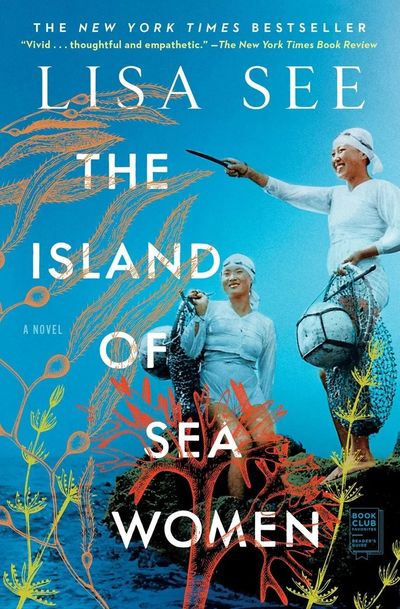
For the family bookshelf
Same idea, written for a younger reader. Good for reading together.
Consent (for Kids!): Boundaries, Respect, and Being in Charge of YOU
Rachel Brian
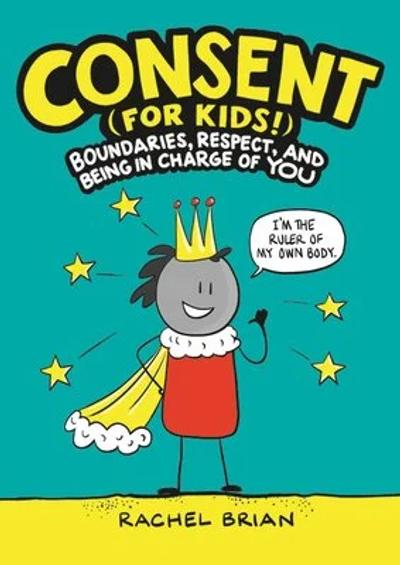
Consent as a skill, not a lecture.
✦ READ – REFLECT → RESIST
It's Perfectly Normal: Changing Bodies, Growing Up, Sex, Gender, and Sexual Health
Robie H. Harris
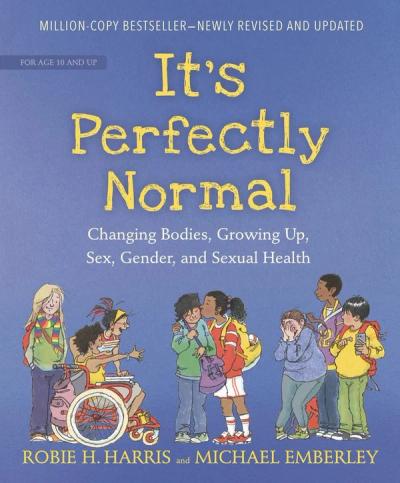
The sex ed book America keeps trying to ban.
✦ READ – REFLECT → RESIST
My Body! What I Say Goes! (2nd Edition)
Jayneen Sanders
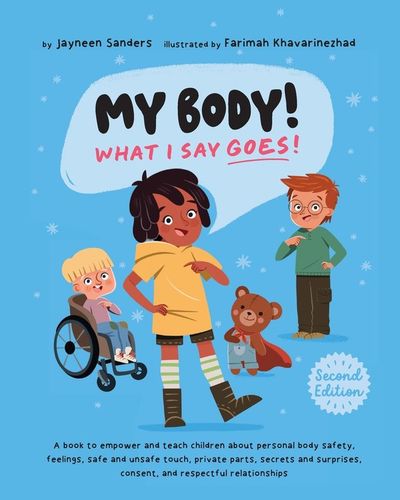
A no a four-year-old can say out loud.
✦ READ – REFLECT → RESIST
Down Girl
Kate Manne
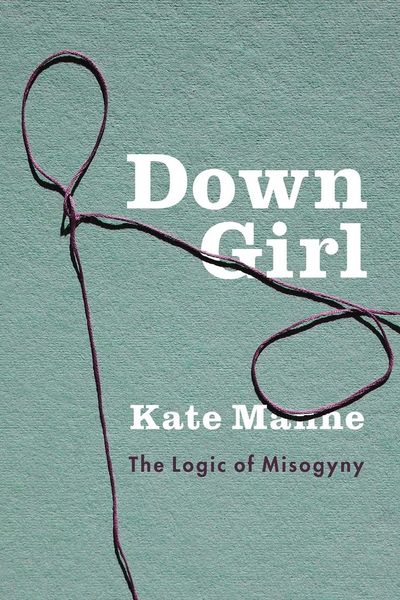
Misogyny is enforcement, not emotion.
✦ READ – REFLECT → RESIST