
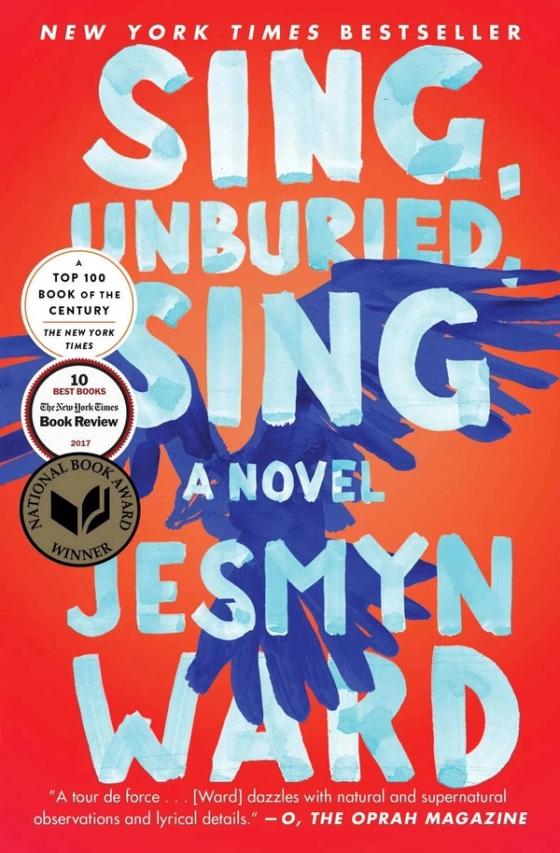
Sing, Unburied, Sing
by Jesmyn Ward
Mississippi road trip. The living and the dead, together.
For you if
you want to understand the American South as a place still haunted by what it did and refuses to fully name
⚡ Choose Your Route ⚡
Not sold directly on this site. Support indie bookstores with a new copy, or go sustainable with a used one.
Buy New on Bookshop.orgSupports independent bookstores
— OR —
Find Used on Better World BooksSecondhand & sustainable
$18 MSRP
Reference price shown. Other editions may be available.
Mississippi, present day. Jojo is thirteen, mixed-race, being raised by his Black grandparents while his mother Leonie — addicted, unreliable, beautiful — drives them across the state to pick up his white father from prison. The dead travel alongside the living. Ward writes the South as a haunted landscape where the violence of the past is not metaphor — it is present, insistent, and requires acknowledgment before it will let the living be. National Book Award winner.
Where This Book Lives
- Setting
- North America
- Voice
- Written by a North America author
Related Viewing
Shares a topic, theme, or setting with this book in the catalog.
Cry, the Beloved Country(1995)
dir. Darrell James Roodt
Two fathers, one tragedy, and an unlikely bond.
A Black rural Anglican priest travels to Johannesburg to find his estranged son, who has been swept up in a crime that will connect the priest to a wealthy white landowner grieving his own son. Adapted from Alan Paton's 1948 novel.
Why it’s here: Punk in imagining reconciliation across the apartheid color line decades before that reconciliation was politically fashionable — the novel predates Mandela's release by nearly fifty years. Pedagogical in showing how personal grief can crack open even entrenched racial hierarchy.
Disgrace(2008)
dir. Steve Jacobs
Reckoning with power, in a changing country.
A Cape Town professor's affair with a student ends his career and sends him to his daughter's isolated farm, where a brutal attack forces him to confront a post-apartheid South Africa that no longer works by his old rules. Adapted from J.M. Coetzee's novel.
Why it’s here: Punk in refusing David Lurie any easy redemption — his disgrace doesn't get neatly resolved by his daughter's choices or the new South Africa's politics. Pedagogical in showing how a personal reckoning with abused power looks nothing like an apology.
Same pattern, different era
Different time, different place. The same thing keeps happening.
milk and honey
Rupi Kaur
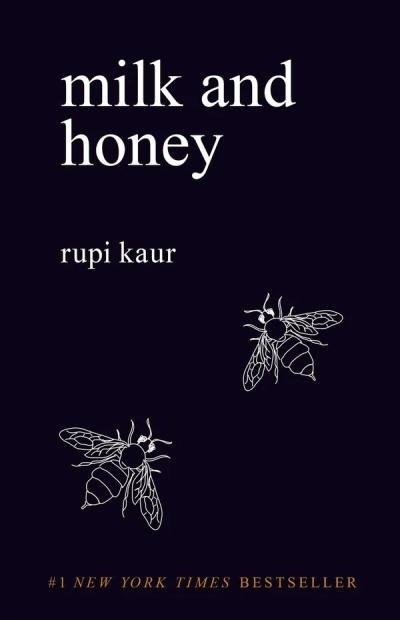
The poems that gave survivors their words.
✦ READ – REFLECT → RESIST
Nineteen Minutes
Jodi Picoult
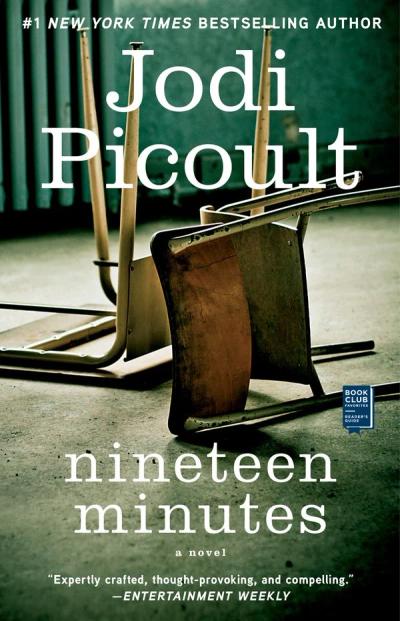
The novel that asks who made the shooter.
✦ READ – REFLECT → RESIST
We Are Not Yet Equal
Carol Anderson & Tonya Bolden
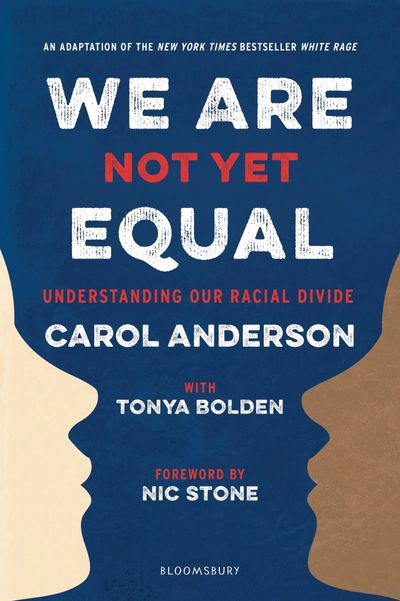
History’s receipts for injustice.
✦ READ – REFLECT → RESIST
I Must Say
Martin Short
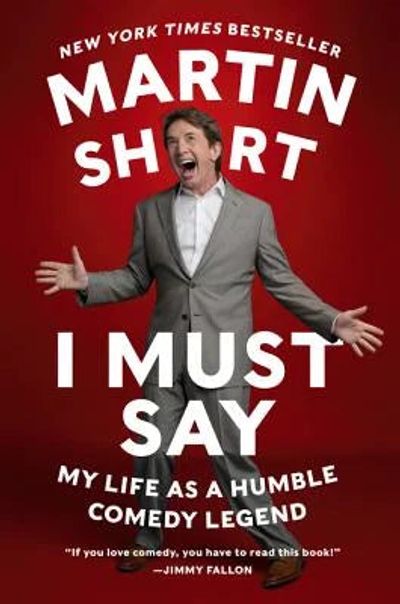
Martin Short: chaos in a bow tie.
✦ READ – REFLECT → RESIST
For the family bookshelf
Same idea, written for a younger reader. Good for reading together.
Each Little Bird That Sings
Deborah Wiles

She grew up in a funeral home. She thought she understood death.
✦ READ – REFLECT → RESIST
I'll Give You the Sun
Jandy Nelson
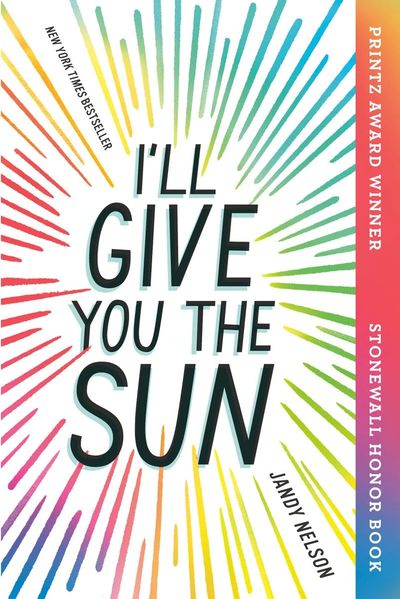
Twins. Three years. Something broke them apart. Both of them tell it.
✦ READ – REFLECT → RESIST
The Astonishing Color of After
Emily X.R. Pan
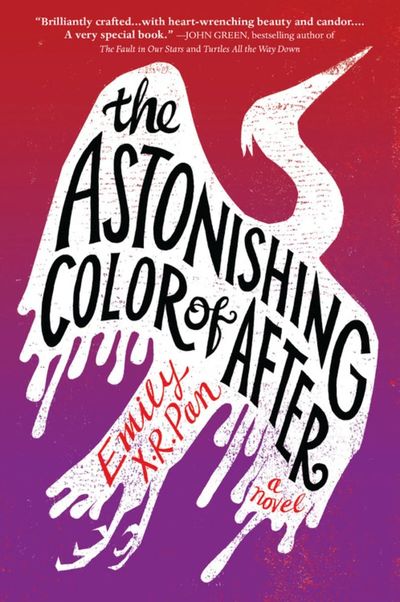
Her mother died. She became a bird. Leigh goes to Taiwan to find her.
✦ READ – REFLECT → RESIST
When Sadness Is at Your Door
Eva Eland
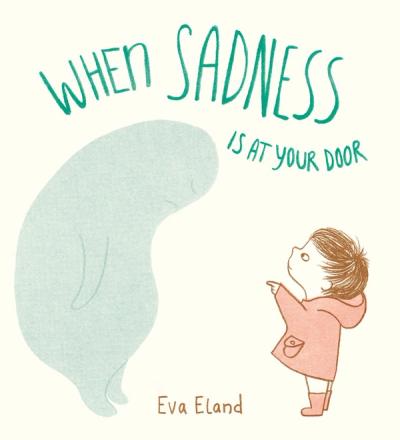
Sadness arrives at the door. You can let it in.
✦ READ – REFLECT → RESIST