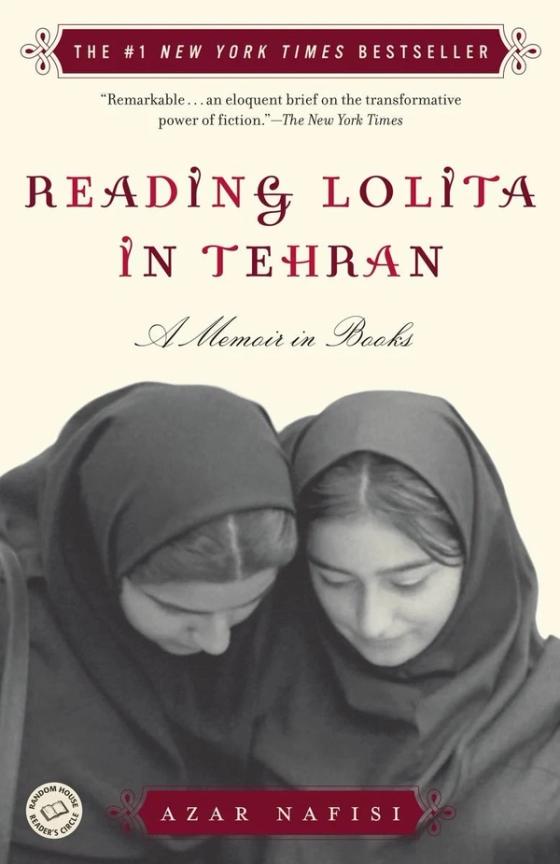
Reading Lolita in Tehran
by Azar Nafisi
Seven women. Forbidden books. The Republic outside.
For you if
you believe that literature is not a luxury but the thing that keeps people human under pressure
⚡ Choose Your Route ⚡
Not sold directly on this site. Support indie bookstores with a new copy, or go sustainable with a used one.
Buy New on Bookshop.orgSupports independent bookstores
— OR —
Find Used on Better World BooksSecondhand & sustainable
$22 MSRP
Reference price shown. Other editions may be available.
For two years after leaving her university position, Nafisi invited seven of her best female students to her home every Thursday morning to read forbidden Western literature — Nabokov, Fitzgerald, James, Austen. This is the memoir of those sessions. The books they read become a way of talking about Iran, about freedom, about the female body as contested territory. A dispatch about what literature does when the state decides it's dangerous.
Where This Book Lives
- Setting
- Iran • Middle East
- Voice
- Written by a Iranian author
- Topics
- iranian revolution
Related Viewing
Shares a topic, theme, or setting with this book in the catalog.
Fahrenheit 451(1966)
dir. François Truffaut
Burning books to keep everyone happy.
In a future where books are outlawed, fireman Guy Montag burns forbidden literature for a living until a young woman's curiosity about reading unsettles his loyalty to the system. Truffaut's only English-language film, adapted from Ray Bradbury's novel.
Why it’s here: Punk in imagining resistance as an act of memory — the "book people" who become the books they refuse to let die. Pedagogical in showing censorship dressed up as compassion, a government that burns literature "for everyone's peace of mind."
It Was Just an Accident(2025)
dir. Jafar Panahi
Is this the man who tortured him? He has to know.
A mechanic in Iran becomes convinced that a man he's crossed paths with is the blindfolded interrogator who once tortured him in prison — and enlists other former detainees to help him confirm it, with escalating and morally uncertain consequences.
Why it’s here: Punk in the literal sense that its own existence defies a state filmmaking ban — Panahi shot this clandestinely after his own imprisonment, and it's his most direct attack yet on Iran's security apparatus. Pedagogical in refusing easy catharsis: revenge here is morally murky, and the film makes you sit with that uncertainty rather than cheering a clean reckoning.
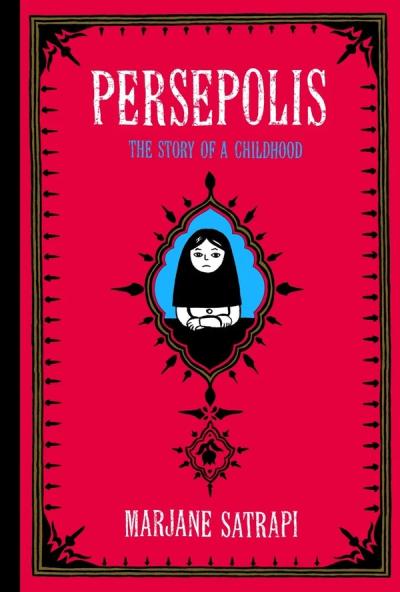
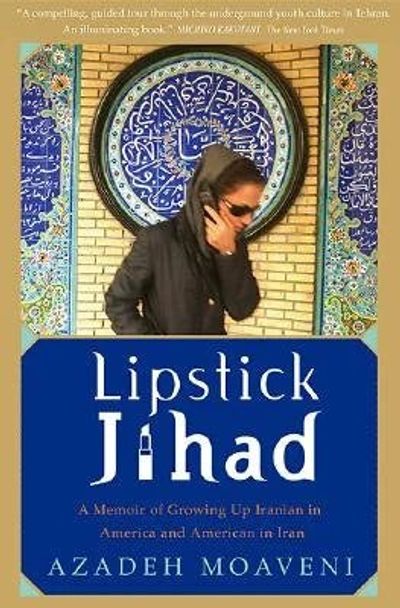
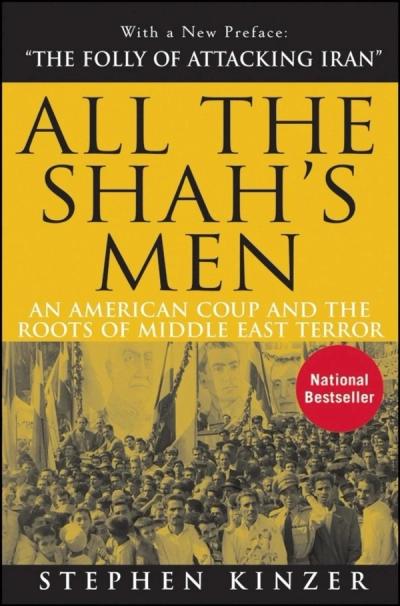
Same event, different angle
The same history — told by someone who saw it differently.
Same pattern, different era
Different time, different place. The same thing keeps happening.
Burning the Books: A History of Knowledge Under Attack
Richard Ovenden
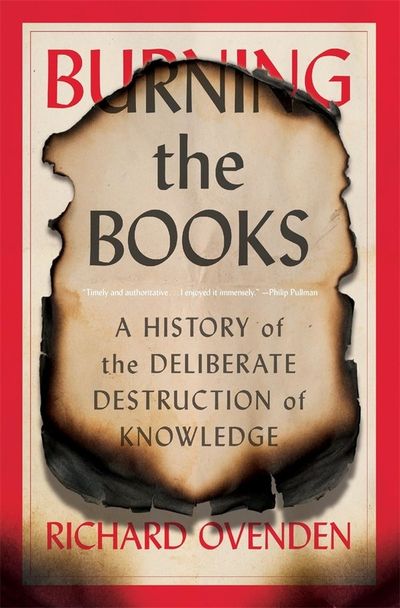
Knowledge was always the target.
✦ READ – REFLECT → RESIST
Forever...
Judy Blume
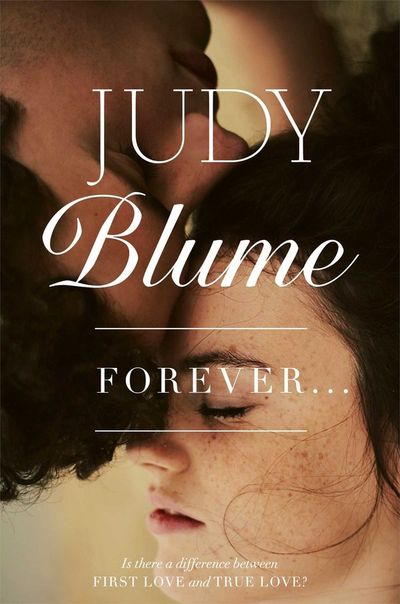
The teen novel they banned for telling the truth.
✦ READ – REFLECT → RESIST
milk and honey
Rupi Kaur
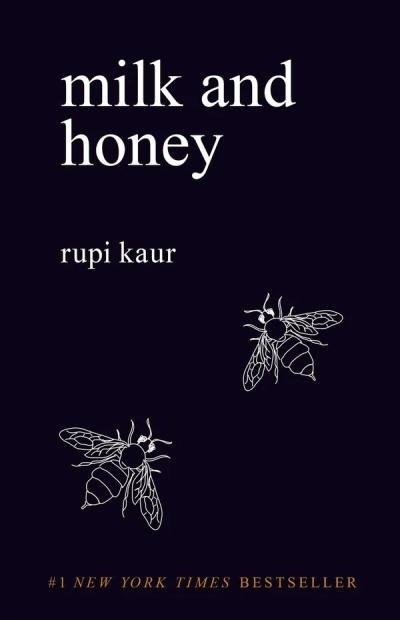
The poems that gave survivors their words.
✦ READ – REFLECT → RESIST
Nineteen Minutes
Jodi Picoult
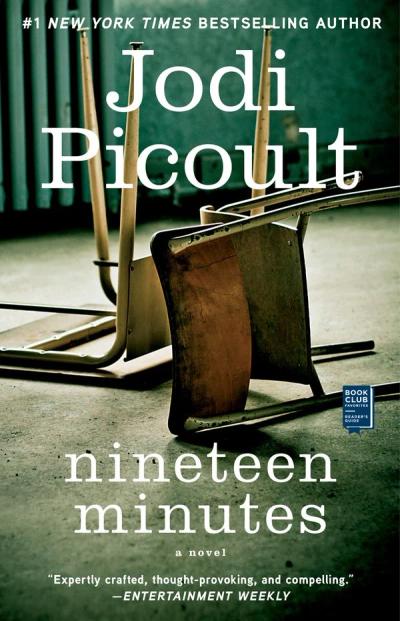
The novel that asks who made the shooter.
✦ READ – REFLECT → RESIST
Flip the lens
Same country. Now hear it from the other side.
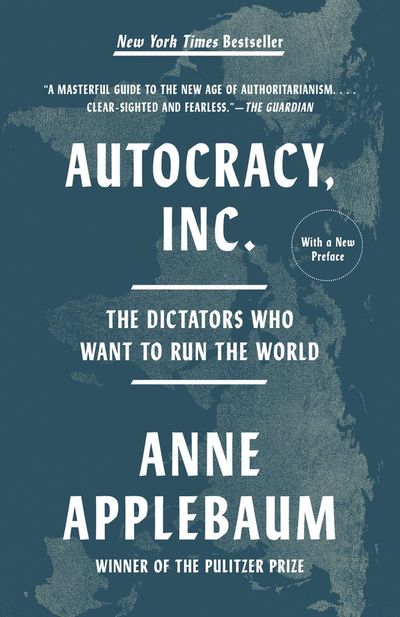
For the family bookshelf
Same idea, written for a younger reader. Good for reading together.
The Absolutely True Diary of a Part-Time Indian
Sherman Alexie
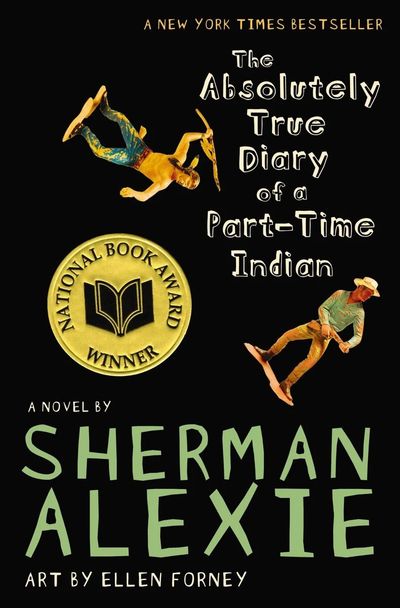
A reservation kid goes to the white school. Everyone loses.
✦ READ – REFLECT → RESIST
P is for Palestine
Golbarg Bashi
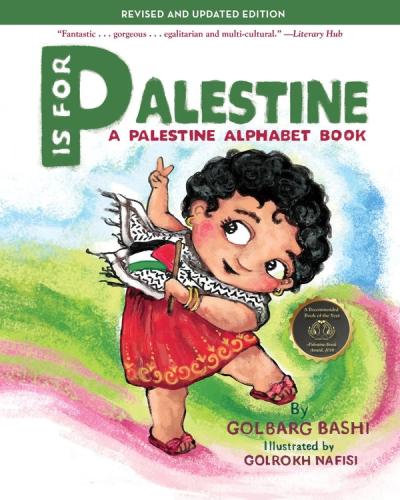
An alphabet book about Palestine. They tried to ban it.
✦ READ – REFLECT → RESIST
Last Exit to Brooklyn
Hubert Selby Jr.
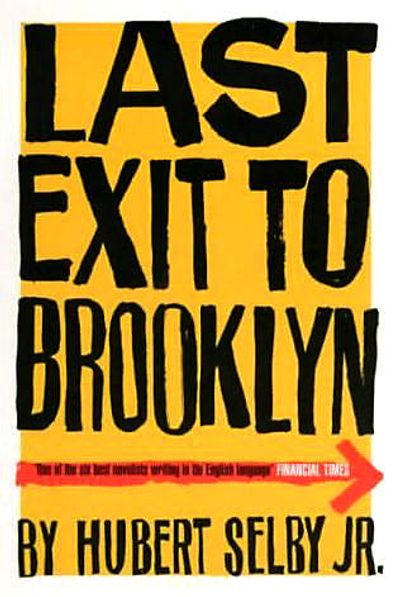
Brooklyn's underworld. No exits. No comfort. All true.
✦ READ – REFLECT → RESIST
This Book Is Banned
Raj Haldar
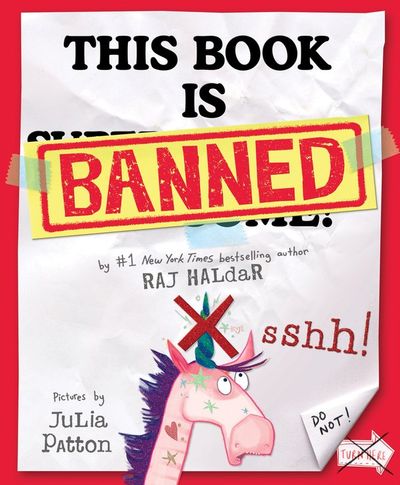
Banned? Perfect. Now they'll definitely read it.
✦ READ – REFLECT → RESIST