
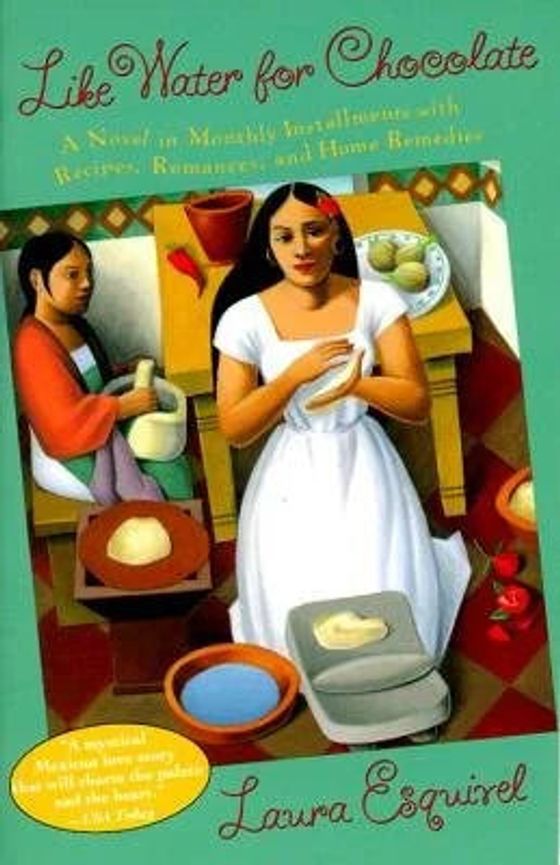
Like Water for Chocolate
by Laura Esquivel
Every dish is a feeling she couldn't say out loud.
For you if
you've ever expressed something through food that you couldn't say any other way
⚡ Choose Your Route ⚡
Not sold directly on this site. Support indie bookstores with a new copy, or go sustainable with a used one.
Buy New on Bookshop.orgSupports independent bookstores
— OR —
Find Used on Better World BooksSecondhand & sustainable
$18 MSRP
Reference price shown. Other editions may be available.
Tita is the youngest daughter in a Mexican family bound by tradition — she cannot marry because she must care for her mother until the mother dies. So she cooks. And everything she feels goes into the food and everyone who eats it feels it too. A novel about the female body as the site of both repression and revolution. Mexico as a place where desire and duty have been at war for centuries, mostly in the kitchen.
Where This Book Lives
- Setting
- Mexico • Latin America
- Voice
- Written by a Mexican author
- Topics
- mexican revolution
Related Viewing
Shares a topic, theme, or setting with this book in the catalog.

Is God Is(2026)
dir. Aleshea Harris
Two sisters. One mission from God: kill their father.
Twin sisters marked since childhood by disfiguring burn scars are contacted by the mother they believed dead, who reveals their father set the fire that scarred them — and sends her daughters on a cross-country mission to kill him. Adapted from Aleshea Harris's own award-winning play.
Why it’s here: Punk in framing righteous vengeance as a mission handed down by a mother rather than a moral failing to overcome — the film refuses to let "forgiveness" be the default answer to abuse. Pedagogical in tracing how violence passed down through a family can be interrupted, redirected, or repeated, letting the two sisters choose differently from each other.

Like Water for Chocolate(1992)
dir. Alfonso Arau
Forbidden love, served through food.
In early-1900s Mexico, Tita is forbidden by family tradition from marrying the man she loves, so she pours her longing into the food she cooks — food that carries her emotions, sometimes literally, into everyone who eats it. Adapted from Laura Esquivel's novel.
Why it’s here: Punk in making a kitchen the site of rebellion — Tita's cooking becomes the one language her mother can't control or silence. Pedagogical in showing how inherited "duty" polices women's desire generation after generation, and what it costs to break that chain.
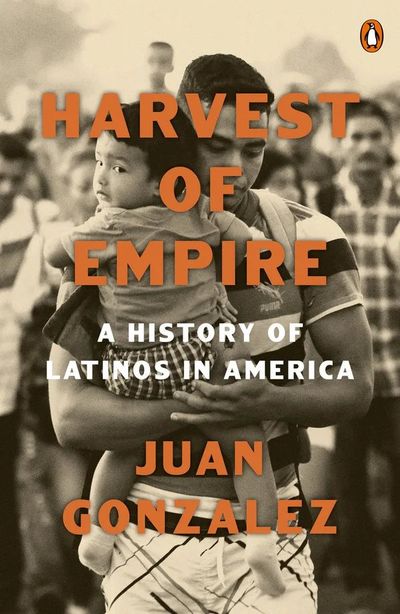
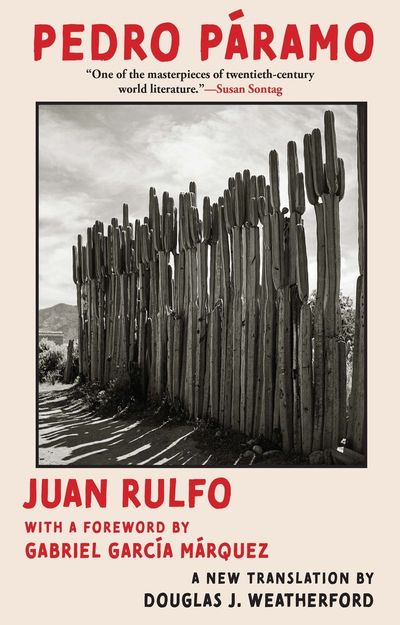
Same event, different angle
The same history — told by someone who saw it differently.
Flip the lens
Same country. Now hear it from the other side.
El Narco
Ioan Grillo
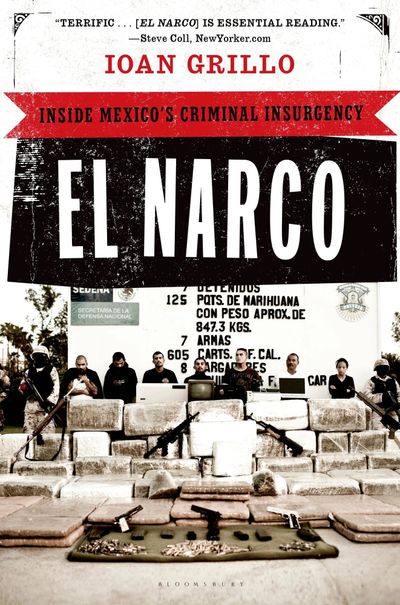
The drug war by someone who stayed long enough.
✦ READ – REFLECT → RESIST
My Mexico
Diana Kennedy
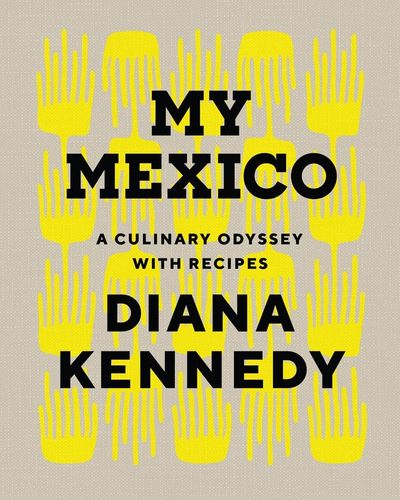
Fifty years of Mexican kitchens before they're gone.
✦ READ – REFLECT → RESIST
Prayers for the Stolen
Jennifer Clement
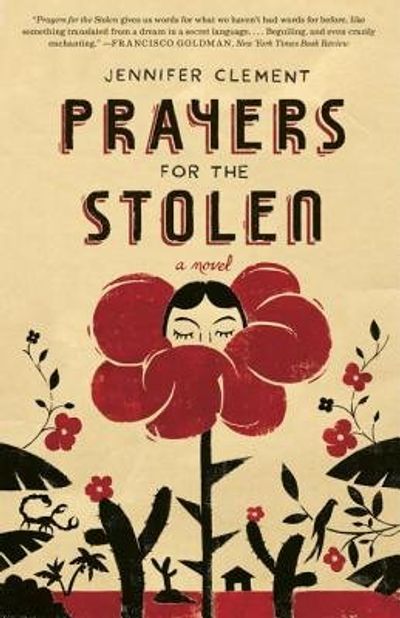
Girls raised to disappear before the cartel finds them.
✦ READ – REFLECT → RESIST
The Daughters of Juárez
Teresa Rodríguez
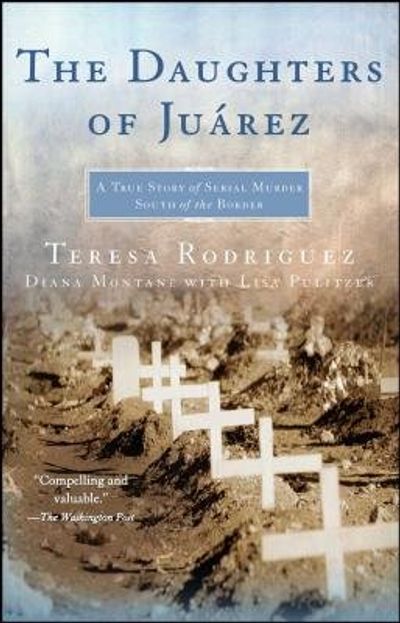
Mothers refusing to let their daughters be statistics.
✦ READ – REFLECT → RESIST