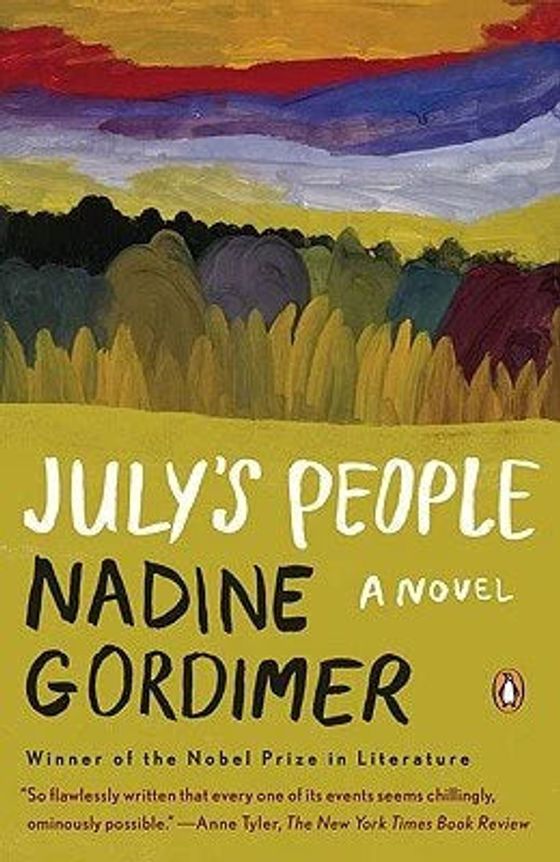
July's People
by Nadine Gordimer
A white family flees revolution and finds themselves.
For you if
you want the apartheid system examined through a hypothetical that reveals exactly what it was built on
⚡ Choose Your Route ⚡
Not sold directly on this site. Support indie bookstores with a new copy, or go sustainable with a used one.
Buy New on Bookshop.orgSupports independent bookstores
— OR —
Find Used on Better World BooksSecondhand & sustainable
$17 MSRP
Reference price shown. Other editions may be available.
Gordimer imagines a near-future South Africa where the Black liberation uprising has succeeded and a white liberal family has fled to the village of their servant July. The novel is a dispatch from inside a thought experiment about power — what happens when the structures that defined every relationship are stripped away? Who are the Smales family without their house, their car, their authority? Who is July without his deference? Published in 1981, it remains the most searching fictional interrogation of what white South African liberalism actually was.
Where This Book Lives
- Setting
- South Africa • Southern Africa
- Voice
- Written by a South African author
- Topics
- apartheid
Related Viewing
Shares a topic, theme, or setting with this book in the catalog.
Cry, the Beloved Country(1995)
dir. Darrell James Roodt
Two fathers, one tragedy, and an unlikely bond.
A Black rural Anglican priest travels to Johannesburg to find his estranged son, who has been swept up in a crime that will connect the priest to a wealthy white landowner grieving his own son. Adapted from Alan Paton's 1948 novel.
Why it’s here: Punk in imagining reconciliation across the apartheid color line decades before that reconciliation was politically fashionable — the novel predates Mandela's release by nearly fifty years. Pedagogical in showing how personal grief can crack open even entrenched racial hierarchy.
Mandela: Long Walk to Freedom(2013)
dir. Justin Chadwick
27 years in prison. A lifetime of forgiveness.
From a rural Xhosa childhood through 27 years of imprisonment to his election as South Africa's first Black president, this biopic traces how Nelson Mandela's politics shifted from armed resistance to strategic reconciliation. Adapted from Mandela's autobiography.
Why it’s here: Punk in centering the discipline of forgiveness as itself a radical act — Mandela's reconciliation politics reads as harder, not softer, than vengeance would have been. Pedagogical in tracing how decades of imprisonment shaped, rather than broke, his strategic patience.
Same event, different angle
The same history — told by someone who saw it differently.
Long Walk to Freedom
Nelson Mandela
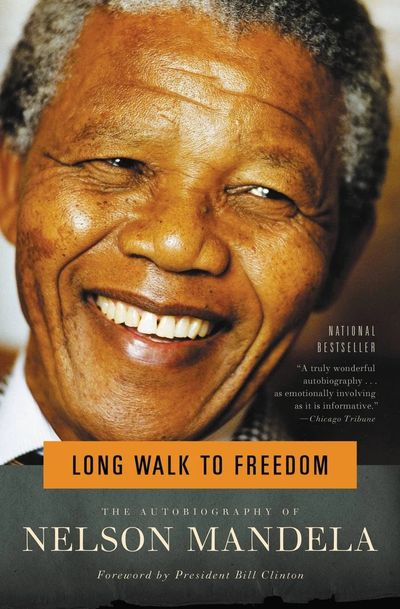
Twenty-seven years inside. Then: reconciliation.
✦ READ – REFLECT → RESIST
Born a Crime
Trevor Noah
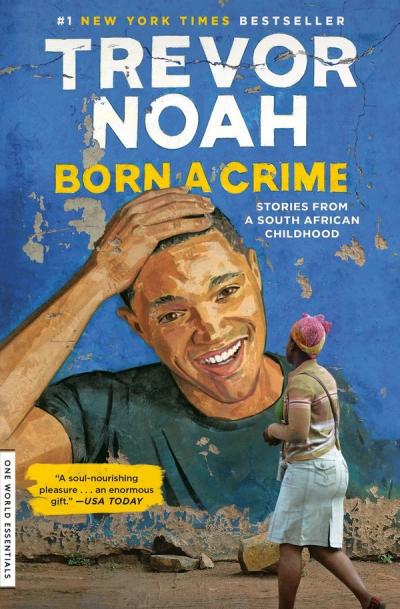
Mixed-race under apartheid. Illegal. Somehow funny.
✦ READ – REFLECT → RESIST
Cry, the Beloved Country
Alan Paton
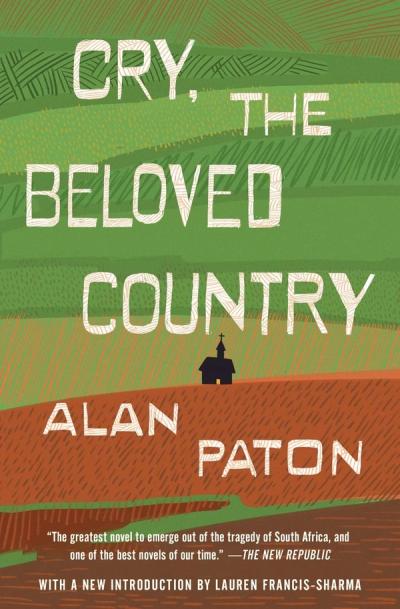
Two fathers. One act of violence. No winners.
✦ READ – REFLECT → RESIST
Burger's Daughter
Nadine Gordimer
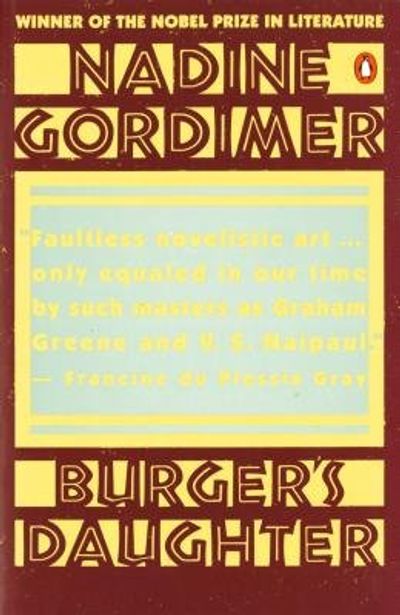
What does a daughter owe a father's cause?
✦ READ – REFLECT → RESIST
Same pattern, different era
Different time, different place. The same thing keeps happening.