
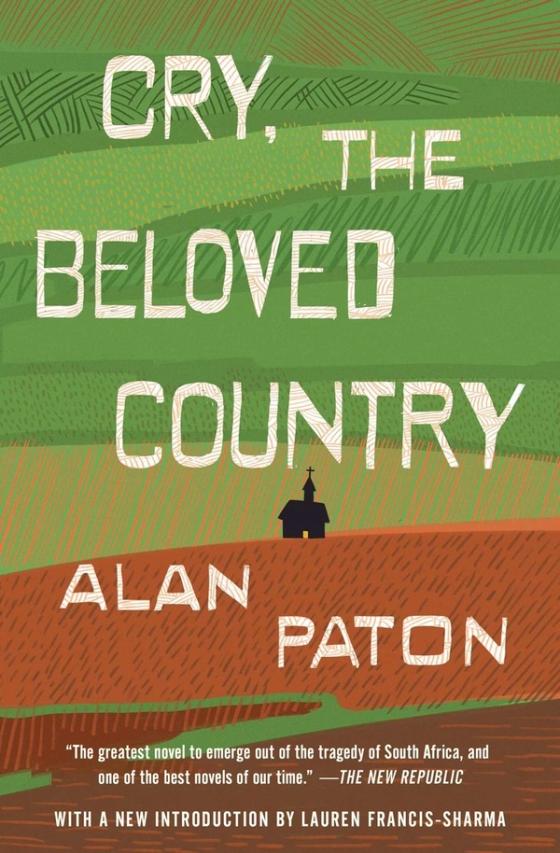
Cry, the Beloved Country
by Alan Paton
Two fathers. One act of violence. No winners.
For you if
you want to understand apartheid South Africa through grief rather than argument
⚡ Choose Your Route ⚡
Not sold directly on this site. Support indie bookstores with a new copy, or go sustainable with a used one.
Buy New on Bookshop.orgSupports independent bookstores
— OR —
Find Used on Better World BooksSecondhand & sustainable
$19 MSRP
Reference price shown. Other editions may be available.
Published in 1948 — the same year the National Party came to power and implemented apartheid — Paton's novel follows a Zulu pastor traveling to Johannesburg to find his son, and a white farmer whose son has been killed. Written by a white South African who opposed apartheid from within, it is flawed in ways that belong to its era and essential in ways that transcend it. The first South African novel to reach global audiences and make the world see Black South Africans as fully human. The dispatch that opened the door.
Where This Book Lives
- Setting
- South Africa • Southern Africa
- Voice
- Written by a South African author
- Topics
- apartheid
Related Viewing
Shares a topic, theme, or setting with this book in the catalog.
Cry, the Beloved Country(1995)
dir. Darrell James Roodt
Two fathers, one tragedy, and an unlikely bond.
A Black rural Anglican priest travels to Johannesburg to find his estranged son, who has been swept up in a crime that will connect the priest to a wealthy white landowner grieving his own son. Adapted from Alan Paton's 1948 novel.
Why it’s here: Punk in imagining reconciliation across the apartheid color line decades before that reconciliation was politically fashionable — the novel predates Mandela's release by nearly fifty years. Pedagogical in showing how personal grief can crack open even entrenched racial hierarchy.
Mandela: Long Walk to Freedom(2013)
dir. Justin Chadwick
27 years in prison. A lifetime of forgiveness.
From a rural Xhosa childhood through 27 years of imprisonment to his election as South Africa's first Black president, this biopic traces how Nelson Mandela's politics shifted from armed resistance to strategic reconciliation. Adapted from Mandela's autobiography.
Why it’s here: Punk in centering the discipline of forgiveness as itself a radical act — Mandela's reconciliation politics reads as harder, not softer, than vengeance would have been. Pedagogical in tracing how decades of imprisonment shaped, rather than broke, his strategic patience.
Same event, different angle
The same history — told by someone who saw it differently.
Long Walk to Freedom
Nelson Mandela
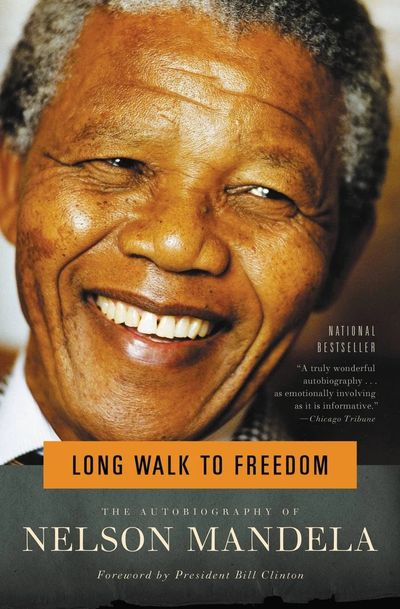
Twenty-seven years inside. Then: reconciliation.
✦ READ – REFLECT → RESIST
Burger's Daughter
Nadine Gordimer
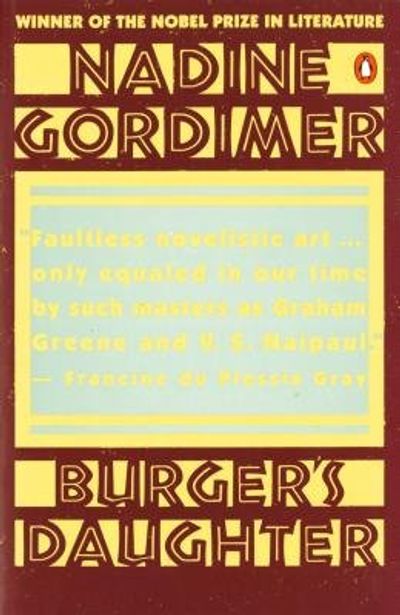
What does a daughter owe a father's cause?
✦ READ – REFLECT → RESIST
I Write What I Like
Steve Biko
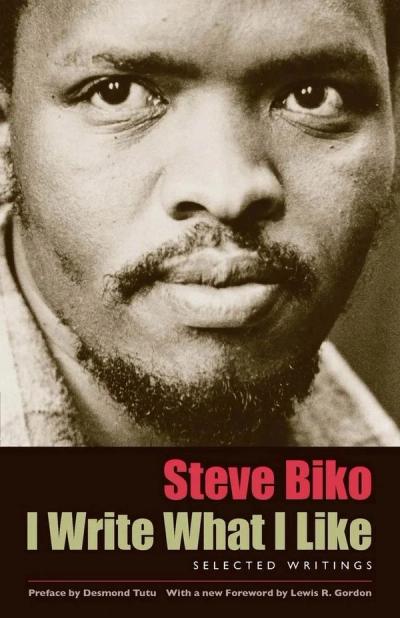
Black Consciousness defined by the man who died for it.
✦ READ – REFLECT → RESIST
My Traitor's Heart
Rian Malan
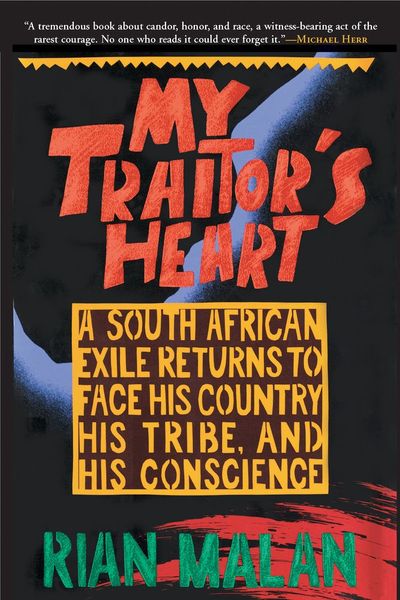
An Afrikaner confronts what his family built.
✦ READ – REFLECT → RESIST
Same pattern, different era
Different time, different place. The same thing keeps happening.
milk and honey
Rupi Kaur
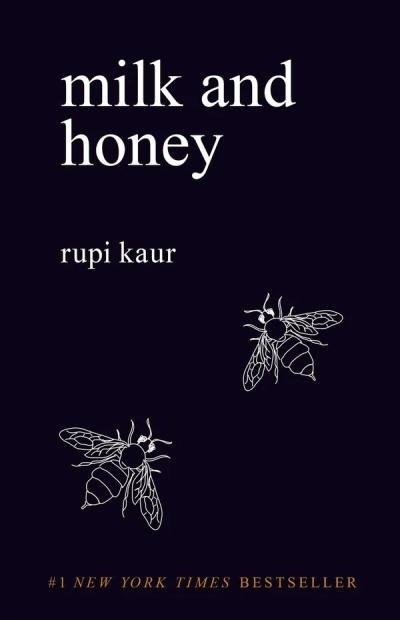
The poems that gave survivors their words.
✦ READ – REFLECT → RESIST
Nineteen Minutes
Jodi Picoult
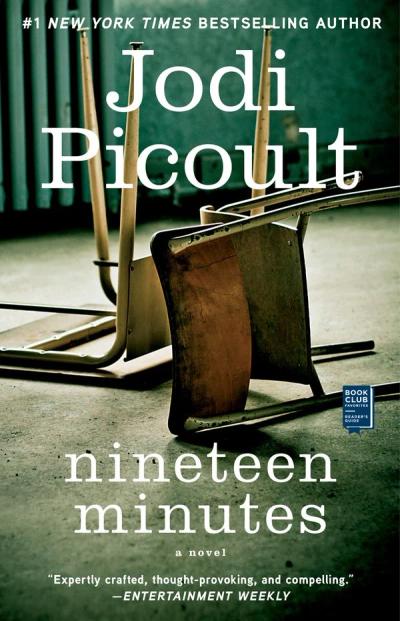
The novel that asks who made the shooter.
✦ READ – REFLECT → RESIST
Roll of Thunder, Hear My Cry
Mildred D. Taylor
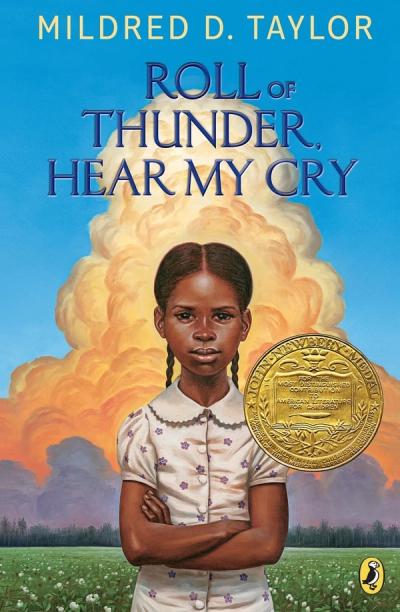
Family, fury, and Mississippi mud.
✦ READ – REFLECT → RESIST
The 1619 Project
Nikole Hannah-Jones
The remix that shook America’s timeline.
✦ READ – REFLECT → RESIST
For the family bookshelf
Same idea, written for a younger reader. Good for reading together.
Antiracist Baby
Ibram X. Kendi

Woke from day one.
✦ READ – REFLECT → RESIST
Stamped (for Kids)
Jason Reynolds & Ibram X. Kendi
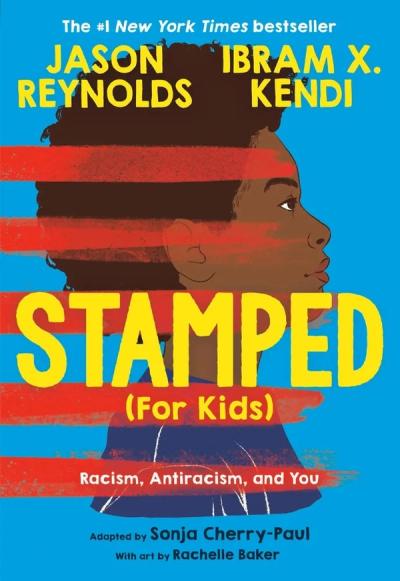
Unlearning racism, one page at a time.
✦ READ – REFLECT → RESIST
Each Little Bird That Sings
Deborah Wiles

She grew up in a funeral home. She thought she understood death.
✦ READ – REFLECT → RESIST
I'll Give You the Sun
Jandy Nelson
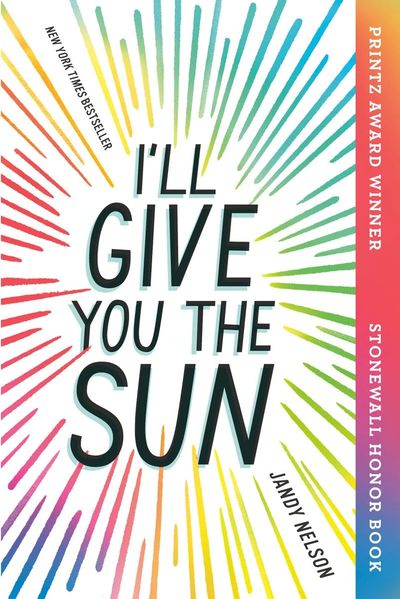
Twins. Three years. Something broke them apart. Both of them tell it.
✦ READ – REFLECT → RESIST