
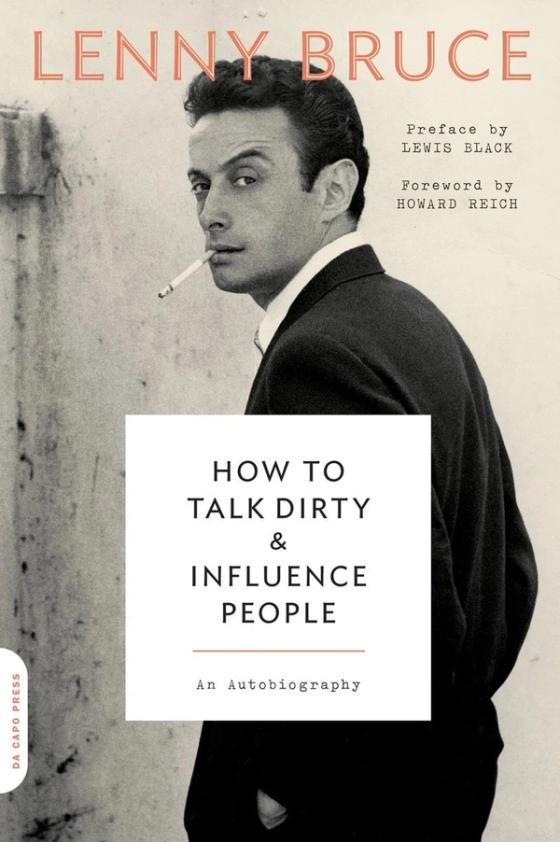
How to Talk Dirty and Influence People
by Lenny Bruce
Arrested for saying true things onstage. They won. He didn't stop.
For you if
you want to understand where the tradition of political stand-up comedy in America actually begins — and what the state did to the man who started it
⚡ Choose Your Route ⚡
Not sold directly on this site. Support indie bookstores with a new copy, or go sustainable with a used one.
Buy New on Bookshop.orgSupports independent bookstores
— OR —
Find Used on Better World BooksSecondhand & sustainable
$19 MSRP
Reference price shown. Other editions may be available.
Bruce was arrested more than a dozen times for obscenity, banned from performing in New York and other major cities, had his venues shut down, his liquor licenses pulled, and was prosecuted by the state of New York in a trial that became a landmark free speech case. He died of a morphine overdose in 1966 at 40, still awaiting the verdict. His crime was saying true things in public — about race, religion, sex, drugs, and the hypocrisy of American institutional life — in language that courts decided was criminal and audiences decided was the most honest thing they had ever heard from a stage. This autobiography, written with Paul Krassner, is the primary source document for understanding comedy as a political act in America — the origin story of everything from Richard Pryor to George Carlin to the Daily Show tradition to every comedian on this shelf who uses laughter to say what earnestness cannot. The state destroyed him for doing exactly what P&P was built to do: tell the truth without permission, without apology, and without softening it for the people it makes uncomfortable.
Where This Book Lives
- Setting
- North America
- Voice
- Written by a North America author
- Themes
- censorshipfree speech
- Topics
- the daily show
Part of a Reading Journey

Related Viewing
Shares a topic, theme, or setting with this book in the catalog.
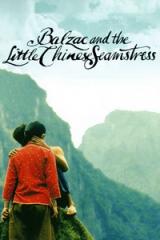
Balzac and the Little Chinese Seamstress(2002)
dir. Dai Sijie
Banned books, secret readings, and one crush.
Two city students sent to a remote mountain village for Maoist "re-education" during the Cultural Revolution discover a hidden suitcase of banned Western novels — and use them to woo the local tailor's granddaughter. Adapted from Dai Sijie's own novel.
Why it’s here: Punk in treating banned Western novels as genuinely dangerous contraband — literature here isn't decoration, it's the thing state re-education is specifically designed to purge. Pedagogical in showing how forbidden art still gets in, and still changes people, even under total surveillance.
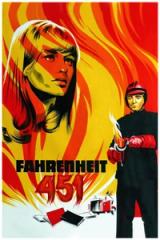
Fahrenheit 451(1966)
dir. François Truffaut
Burning books to keep everyone happy.
In a future where books are outlawed, fireman Guy Montag burns forbidden literature for a living until a young woman's curiosity about reading unsettles his loyalty to the system. Truffaut's only English-language film, adapted from Ray Bradbury's novel.
Why it’s here: Punk in imagining resistance as an act of memory — the "book people" who become the books they refuse to let die. Pedagogical in showing censorship dressed up as compassion, a government that burns literature "for everyone's peace of mind."
Same event, different angle
The same history — told by someone who saw it differently.
Same pattern, different era
Different time, different place. The same thing keeps happening.
A Court of Thorns and Roses
Sarah J. Maas
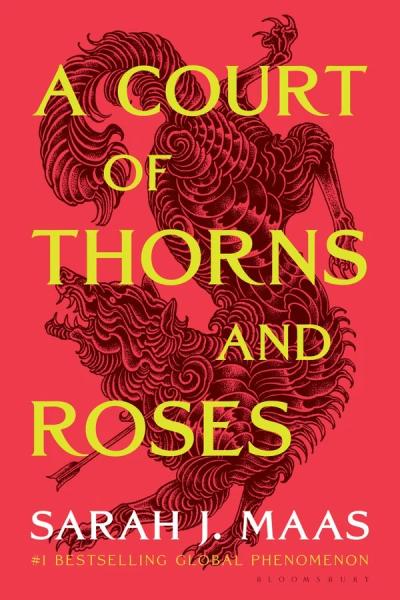
Survival instincts don't stop at the Wall.
✦ READ – REFLECT → RESIST
Blankets
Craig Thompson
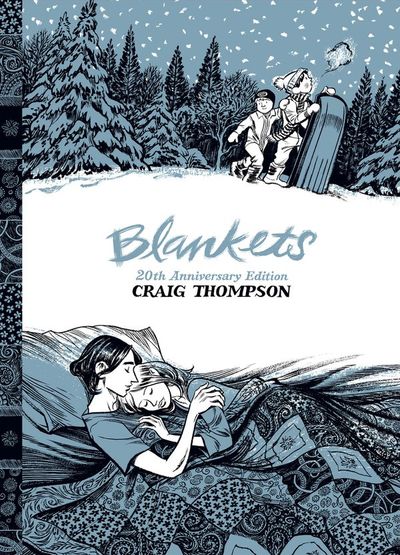
The memoir that proved comics could break your heart.
✦ READ – REFLECT → RESIST
Breathless
Jennifer Niven
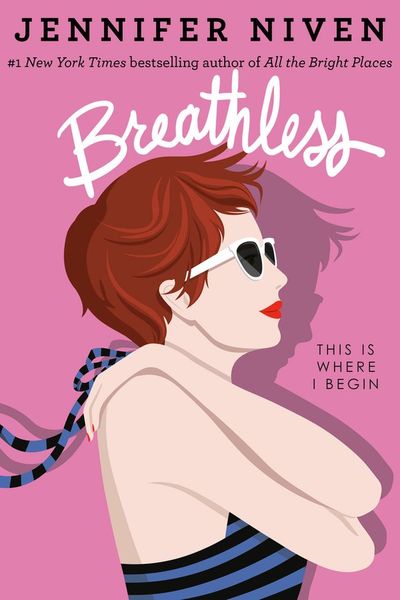
A teen girl writes her own story.
✦ READ – REFLECT → RESIST
Burning the Books: A History of Knowledge Under Attack
Richard Ovenden
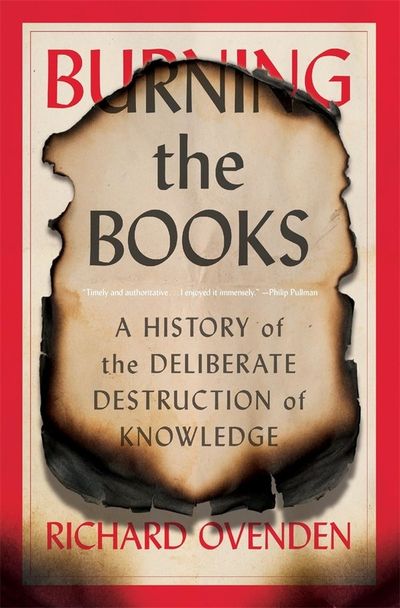
Knowledge was always the target.
✦ READ – REFLECT → RESIST
For the family bookshelf
Same idea, written for a younger reader. Good for reading together.
The Giver
Lois Lowry
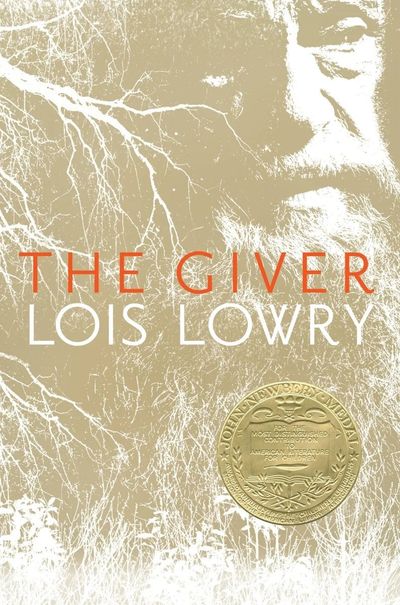
Memory is what they banned. He got it anyway.
✦ READ – REFLECT → RESIST
Last Night at the Telegraph Club
Malinda Lo
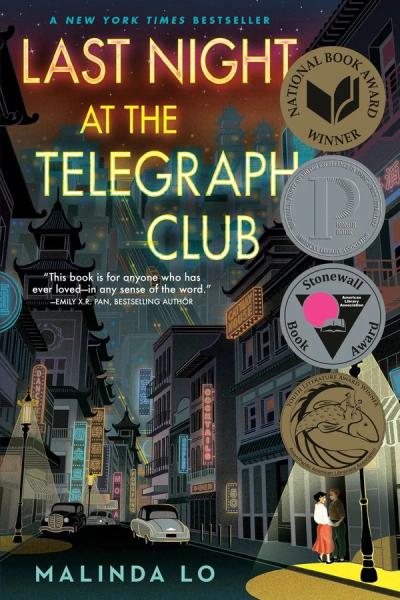
1954. Chinatown. A lesbian bar. Everything to lose.
✦ READ – REFLECT → RESIST
The Rooster Who Would Not Be Quiet!
Carmen Agra Deedy, illustrated by Eugene Yelchin
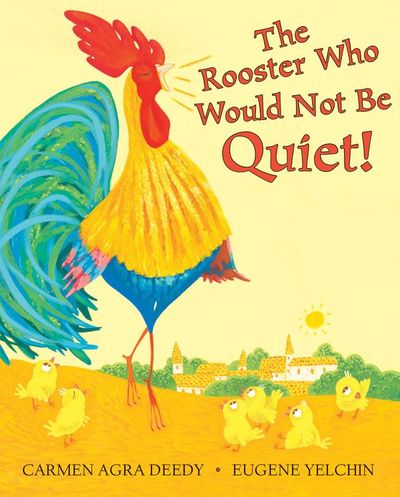
The law said be quiet. The rooster disagreed.
✦ READ – REFLECT → RESIST
This Book Is Banned
Raj Haldar
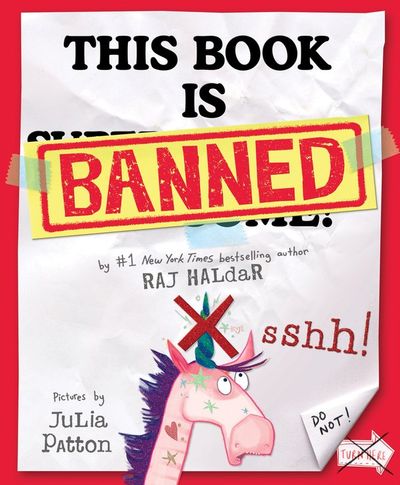
Banned? Perfect. Now they'll definitely read it.
✦ READ – REFLECT → RESIST