
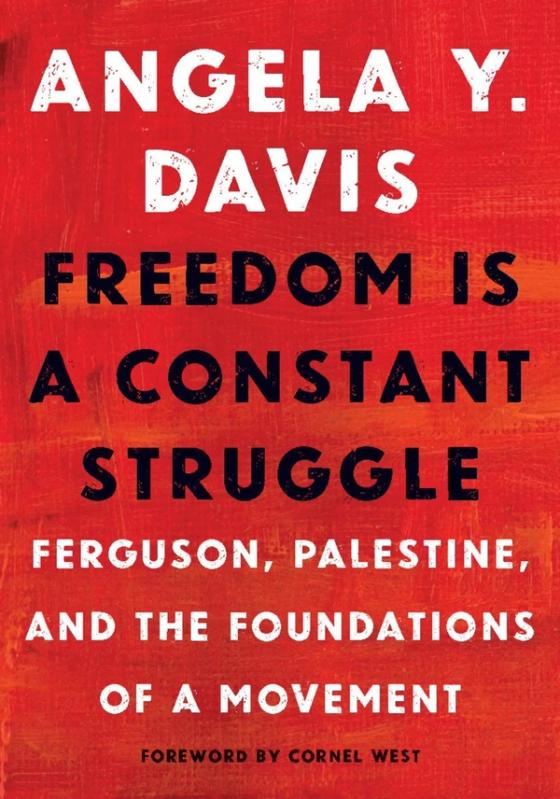
Freedom Is a Constant Struggle
by Angela Davis
Palestine. Ferguson. Prison. One struggle, many fronts.
For you if
you believe in multiple causes and want someone to show you why they are actually one
⚡ Choose Your Route ⚡
Not sold directly on this site. Support indie bookstores with a new copy, or go sustainable with a used one.
Buy New on Bookshop.orgSupports independent bookstores
— OR —
Find Used on Better World BooksSecondhand & sustainable
$16 MSRP
Reference price shown. Other editions may be available.
Davis draws explicit connections between the Black liberation movement in the United States, the Palestinian struggle, the movement against mass incarceration, and feminist organizing globally — arguing that these are not separate causes but the same struggle in different geographies. These essays and interviews were assembled in 2015 but the arguments feel essential to every year since. Davis is one of the clearest political thinkers alive and this is her most accessible and most urgent collection. The dispatch that insists on solidarity as a political practice rather than a sentiment.
Where This Book Lives
- Setting
- Palestine • Middle East
- Voice
- Written by a Palestinian author
Part of a Reading Journey


Related Viewing
Shares a topic, theme, or setting with this book in the catalog.
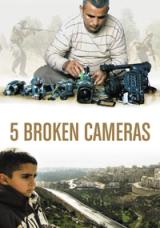
5 Broken Cameras(2011)
dir. Emad Burnat & Guy Davidi
Five cameras destroyed. Every one kept filming.
A Palestinian farmer in Bil'in documents his village's nonviolent resistance to encroaching Israeli settlements over five years, structured around each of his cameras' destruction.
Why it’s here: Shot almost entirely by a Palestinian farmer with no filmmaking background, on cameras that kept getting destroyed and kept getting replaced — testimony in the most literal sense, edited (not directed) into shape by an Israeli co-director after the fact.

Malcolm X(1992)
dir. Spike Lee
One man, three names, one refusal to stay quiet.
Spike Lee's biopic follows Malcolm Little from a troubled Detroit childhood through prison, his conversion within the Nation of Islam, his break from Elijah Muhammad, and his post-Mecca reorientation toward a wider human-rights politics, ending with his 1965 assassination.
Why it’s here: Punk in showing radicalization as a rational response to real conditions, not a character flaw. Pedagogical in tracking a person's ideas actually changing on camera — Malcolm's break from Elijah Muhammad and his post-Mecca reckoning model intellectual honesty most biopics flatten out.
Same event, different angle
The same history — told by someone who saw it differently.
Anti-Zionism: A Jewish History
Benjamin Moser

The Jewish tradition they tried to bury.
✦ READ – REFLECT → RESIST
Mornings in Jenin
Susan Abulhawa
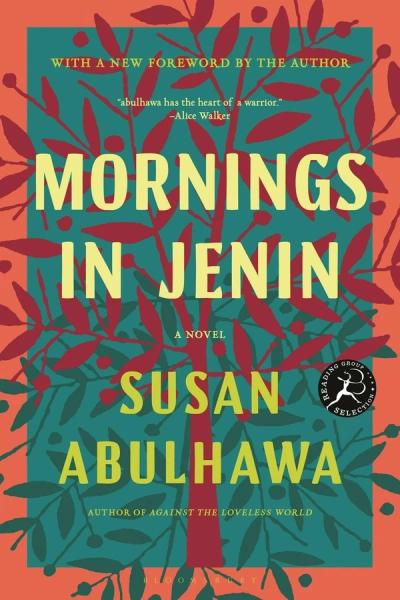
A Palestinian family. Four generations of loss.
✦ READ – REFLECT → RESIST
The Cauldron: The Making of the Modern Middle East
Simon Sebag Montefiore
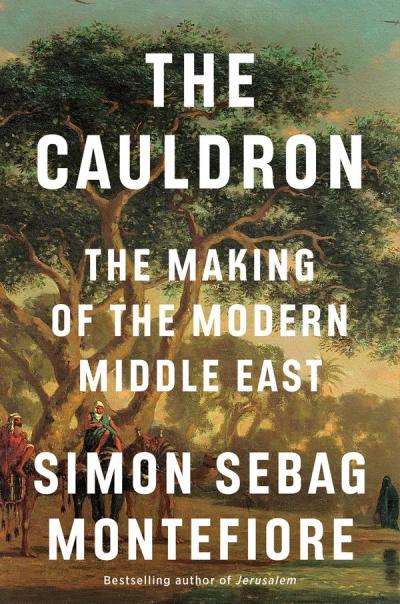
125 years that explain what you're watching now.
✦ READ – REFLECT → RESIST
They Told Me Back Home Would Be Beautiful: A Palestinian Memoir
Elena Dudum
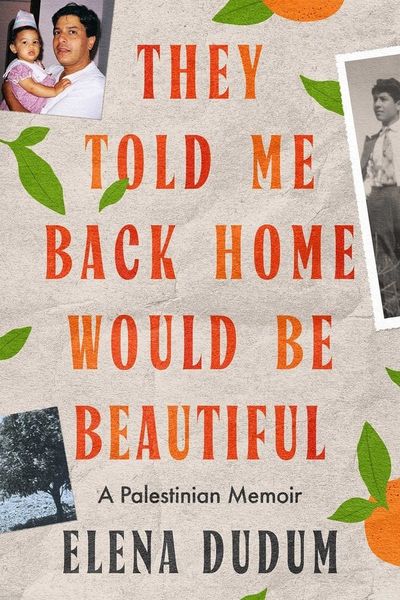
The inheritance she spent years running from.
✦ READ – REFLECT → RESIST
Same pattern, different era
Different time, different place. The same thing keeps happening.
A Young People’s History of the United States
Howard Zinn
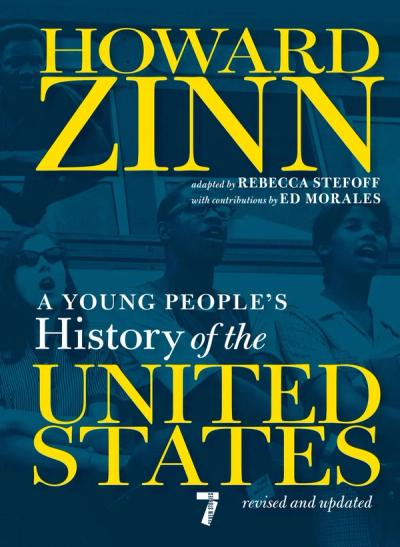
Zinn, but sized for rebellion.
✦ READ – REFLECT → RESIST
I Am Malala
Malala Yousafzai
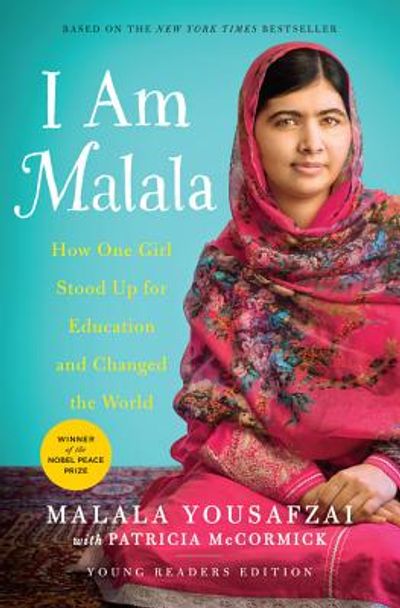
Bravery looks like a schoolgirl with a book.
✦ READ – REFLECT → RESIST
A Black Women’s History of the United States
Daina Ramey Berry & Kali Nicole Gross

America seen through eyes that built it.
✦ READ – REFLECT → RESIST
A People’s History of the United States
Howard Zinn

The underdogs get the mic.
✦ READ – REFLECT → RESIST
For the family bookshelf
Same idea, written for a younger reader. Good for reading together.
Milo Imagines the World
Matt de la Peña
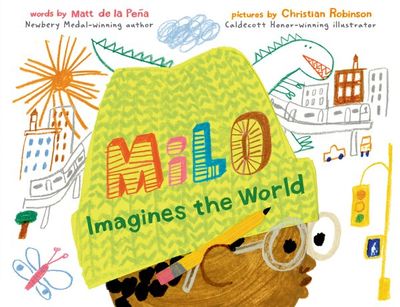
The kid you imagine, and the one who's real.
✦ READ – REFLECT → RESIST
Sister Outsider
Audre Lorde
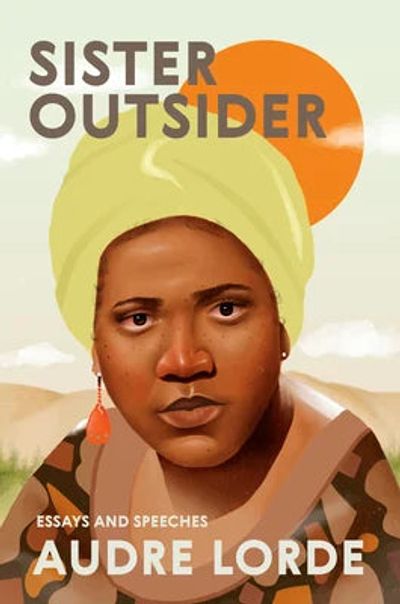
Poetry with teeth and a megaphone.
✦ READ – REFLECT → RESIST
Freedom Dreams
Robin D. G. Kelley
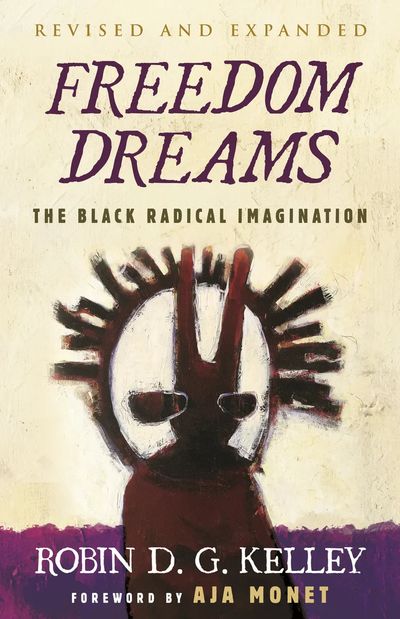
Radical hope as resistance strategy.
✦ READ – REFLECT → RESIST
Change Sings
Amanda Gorman
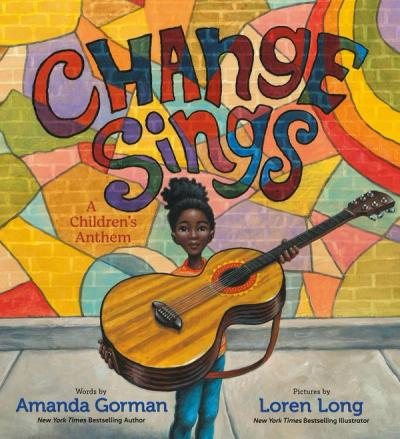
Kids, courage, and the sound of change.
✦ READ – REFLECT → RESIST