
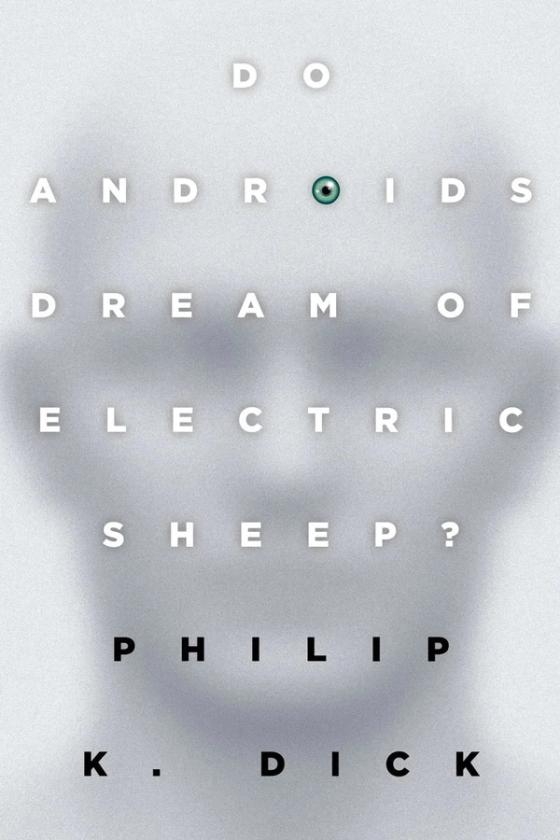
Do Androids Dream of Electric Sheep?
by Philip K. Dick
If empathy can be faked, what is it measuring?
For you if
you want to understand what empathy actually is — as a political and economic construct rather than a natural human condition — through a novel that makes the question impossible to avoid
⚡ Choose Your Route ⚡
Not sold directly on this site. Support indie bookstores with a new copy, or go sustainable with a used one.
Buy New on Bookshop.orgSupports independent bookstores
— OR —
Find Used on Better World BooksSecondhand & sustainable
$18 MSRP
Reference price shown. Other editions may be available.
Earth after nuclear war. Most animals are extinct. Rick Deckard is a bounty hunter whose job is to identify and retire androids — biological machines indistinguishable from humans except by a test that measures empathy. The question the novel will not let go of: if empathy can be perfectly simulated, what is it actually measuring? If an android passes as human in every observable way, what does human mean? Dick published this in 1968 — the same year Debord published Society of the Spectacle — and both books are asking the same question from different directions: what remains of authentic experience when everything can be manufactured? The FBI had a file on Dick. His paranoia about simulated reality turned out to be partly justified. The most important science fiction novel for the P&P catalog that isn't Le Guin — the book that most precisely asks what it means to be human in a world that has decided humanity is a product, and refuses to give a comfortable answer.
Where This Book Lives
Related Viewing
Shares a topic, theme, or setting with this book in the catalog.
Blade Runner(1982)
dir. Ridley Scott
What makes one human when the answer keeps changing?
A burnt-out cop is pulled back into hunting fugitive "replicants" — bioengineered humans who have escaped off-world servitude and returned to Earth seeking their maker and a longer life. Adapted from Philip K. Dick's Do Androids Dream of Electric Sheep?
Why it’s here: Punk in its refusal to give the replicants a clean villain arc — Roy Batty's dying monologue is the film arguing that manufactured life grieves like real life. Pedagogical in how it trains you to distrust the neat categories — human/replicant, real/false memory — that power uses to sort who deserves rights.
Same pattern, different era
Different time, different place. The same thing keeps happening.
Deep Unlearning: The Rise of AI and the Radicalization of a Tech Idealist
Timnit Gebru
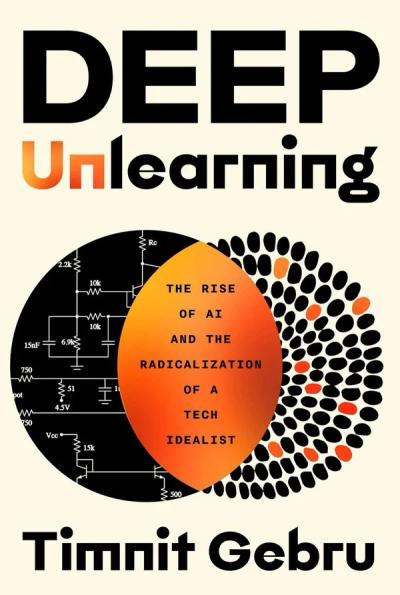
What the AI boom chose not to tell you.
✦ READ – REFLECT → RESIST
Oryx and Crake
Margaret Atwood

The end of the world, engineered.
✦ READ – REFLECT → RESIST
Wicked: The Life and Times of the Wicked Witch of the West
Gregory Maguire
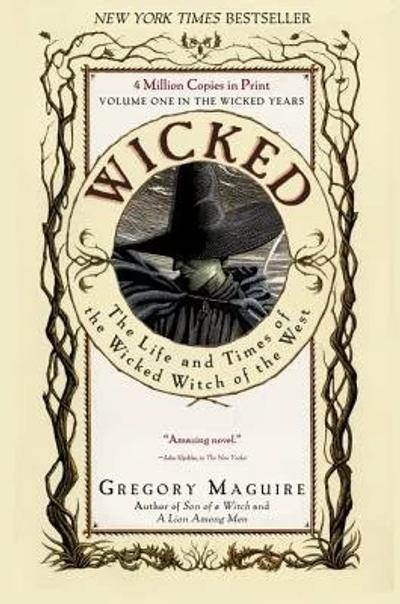
The villain was just the one who saw through it.
✦ READ – REFLECT → RESIST