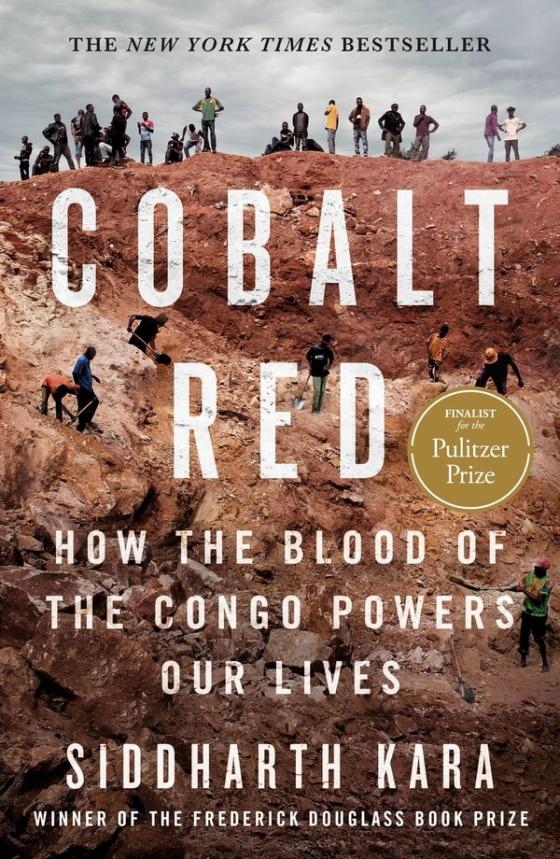
Cobalt Red: How the Blood of the Congo Powers Our Lives
by Siddharth Kara
The true cost hiding in your pocket.
For you if
you want to look at what your lifestyle actually costs — even when the answer is brutal
⚡ Choose Your Route ⚡
Not sold directly on this site. Support indie bookstores with a new copy, or go sustainable with a used one.
Buy New on Bookshop.orgSupports independent bookstores
— OR —
Find Used on Better World BooksSecondhand & sustainable
$19 MSRP
Reference price shown. Other editions may be available.
Cobalt Red is a devastating exposé of the human cost hiding inside every smartphone, laptop, and electric car. Kara documents the brutal, often deadly labor endured by Congolese miners — including children — who extract the cobalt that fuels the global tech economy. Through meticulous reporting and firsthand testimony, he reveals a supply chain built on exploitation, environmental ruin, and the quiet complicity of corporations that profit from both. It’s a morally urgent book that forces readers to confront the hidden violence powering modern convenience.
Where This Book Lives
- Setting
- Congo • Central Africa
- Voice
- An outside perspective on Congo
Related Viewing
Shares a topic, theme, or setting with this book in the catalog.
Harlan County, U.S.A.(1976)
dir. Barbara Kopple
Shot from inside the picket line, not above it.
Cinema-verité account of a 13-month Kentucky coal miners' strike against Eastover Mining, filmed from inside the picket line as violence escalates on both sides.
Why it’s here: No talking-head remove — Kopple lived with the strikers for over a year, and the film's authority comes from proximity, not narration. A founding text for what labor documentary can look like when the filmmaker picks a side and stays there.

Sorry to Bother You(2018)
dir. Boots Riley
A satire sharp enough to double as a labor argument.
A Black telemarketer in an alternate-present Oakland discovers his 'white voice' can sell anything, and rides it straight into a company that's selling something much worse.
Why it’s here: Boots Riley is a labor organizer's kid making an organizer's film wearing surrealist-comedy clothes — the 'white voice' gag is funny right up until it isn't, and the film never lets you forget which one it actually is.
Same pattern, different era
Different time, different place. The same thing keeps happening.