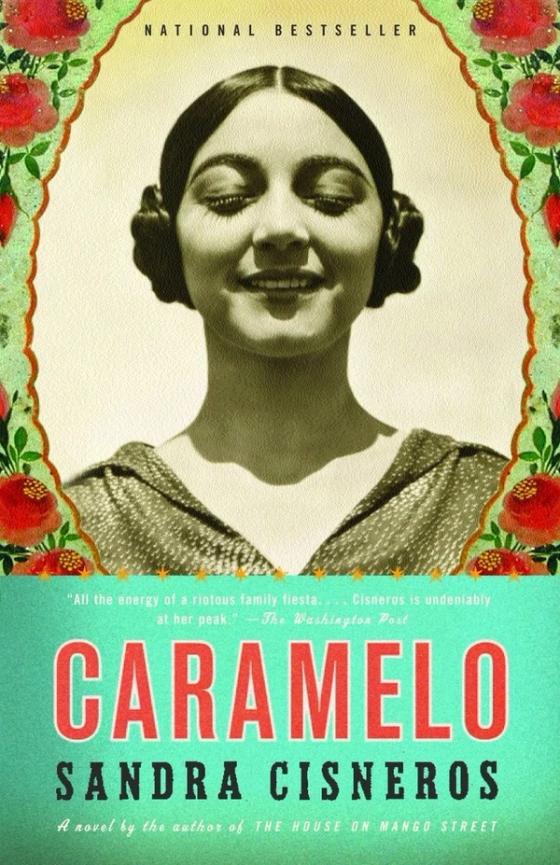
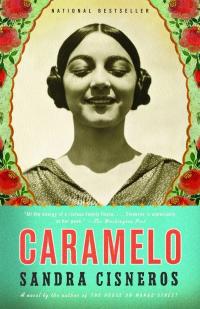
Caramelo
by Sandra Cisneros
Every summer to Mexico. They always bring the past.
For you if
you carry a country inside you that you've never fully lived in
⚡ Choose Your Route ⚡
Not sold directly on this site. Support indie bookstores with a new copy, or go sustainable with a used one.
Buy New on Bookshop.orgSupports independent bookstores
— OR —
Find Used on Better World BooksSecondhand & sustainable
$18 MSRP
Reference price shown. Other editions may be available.
The Reyes family drives between Chicago and Mexico City every summer, the whole extended clan packed into cars, and Celaya (Lala) is watching everything and telling it slant. The Awful Grandmother — dead by chapter two — keeps interrupting the narrative to argue with Lala's version of history. Cisneros structures Caramelo as a family argument across generations and borders: gossip and rebuttal as the form of the thing, because the family story is always contested, always told wrong by somebody, always weighted with what doesn't get said. The laugh is survival. The argument is about who gets to own the past.
Where This Book Lives
- Setting
- Mexico • Latin America
- Voice
- Written by a Mexican author
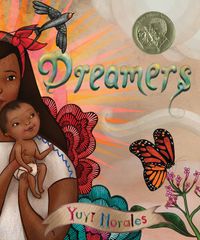
Related Viewing
Shares a topic, theme, or setting with this book in the catalog.
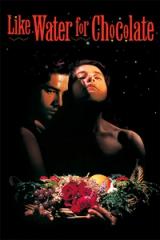
Like Water for Chocolate(1992)
dir. Alfonso Arau
Forbidden love, served through food.
In early-1900s Mexico, Tita is forbidden by family tradition from marrying the man she loves, so she pours her longing into the food she cooks — food that carries her emotions, sometimes literally, into everyone who eats it. Adapted from Laura Esquivel's novel.
Why it’s here: Punk in making a kitchen the site of rebellion — Tita's cooking becomes the one language her mother can't control or silence. Pedagogical in showing how inherited "duty" polices women's desire generation after generation, and what it costs to break that chain.
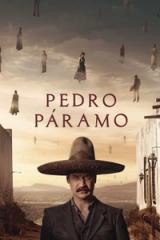
Pedro Páramo(2024)
dir. Rodrigo Prieto
A ghost town where the dead won't stop talking.
A man travels to his late mother's hometown to find the father he never knew, only to discover Comala is a ghost town in the most literal sense — populated by the dead, still narrating the tyranny of the cacique who once ruled it. Adapted from Juan Rulfo's novel.
Why it’s here: Punk in blurring the line between the living and the dead until power and guilt outlast the man who held them — Pedro Páramo's tyranny haunts Comala long after his death. Pedagogical in showing how one man's greed can hollow out an entire town's future.
Same pattern, different era
Different time, different place. The same thing keeps happening.
The People of Paper
Salvador Plascencia
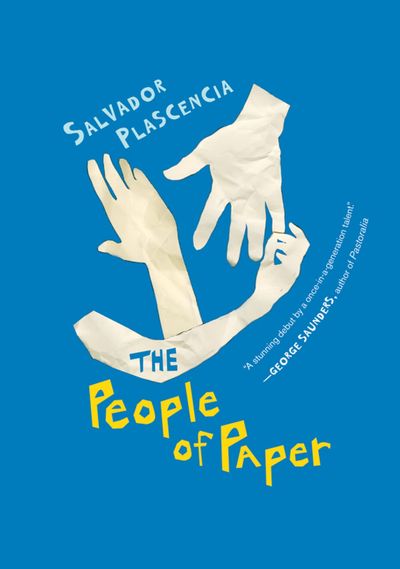
Characters who know they're in a novel. They revolt.
✦ READ – REFLECT → RESIST
Mornings in Jenin
Susan Abulhawa
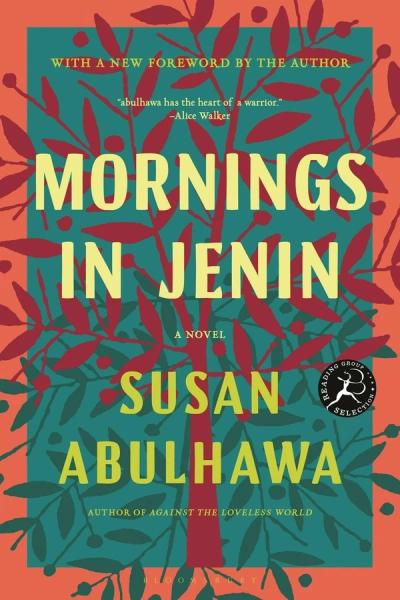
A Palestinian family. Four generations of loss.
✦ READ – REFLECT → RESIST
The House on the Lagoon
Rosario Ferré
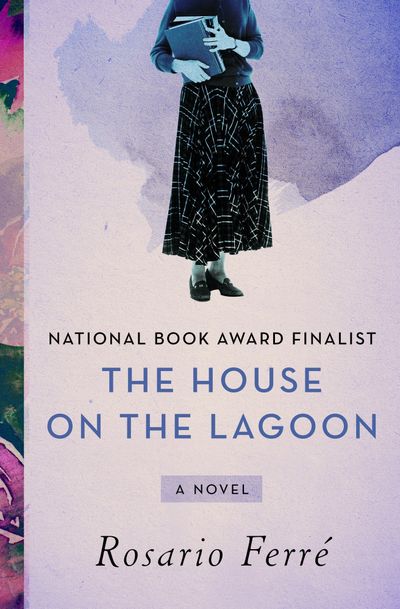
A Puerto Rican family saga and the woman writing it down.
✦ READ – REFLECT → RESIST
Wild Swans
Jung Chang
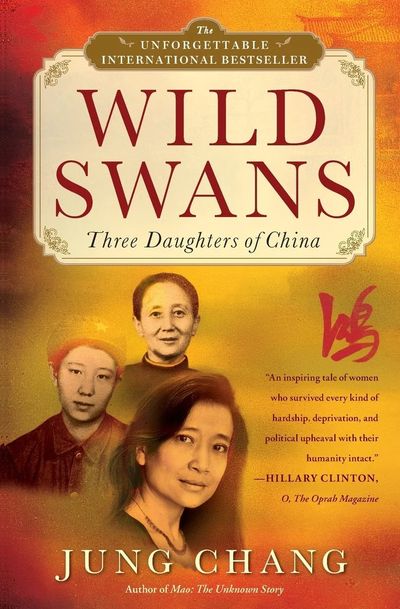
Three Chinese women. One hundred years of upheaval.
✦ READ – REFLECT → RESIST
Flip the lens
Same country. Now hear it from the other side.
El Narco
Ioan Grillo
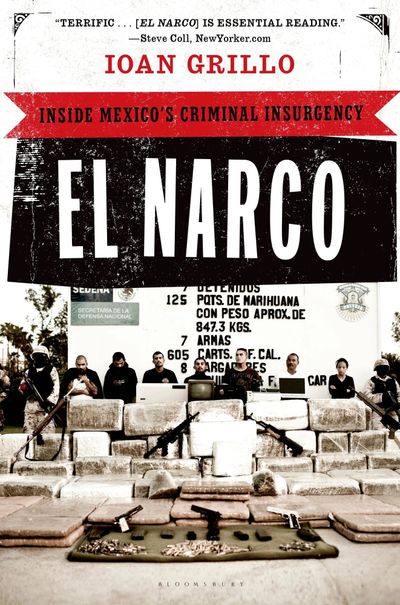
The drug war by someone who stayed long enough.
✦ READ – REFLECT → RESIST
My Mexico
Diana Kennedy
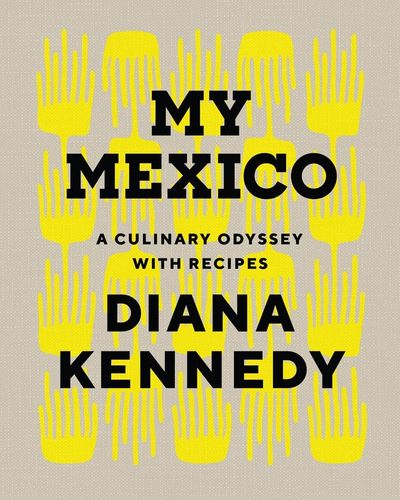
Fifty years of Mexican kitchens before they're gone.
✦ READ – REFLECT → RESIST
Prayers for the Stolen
Jennifer Clement
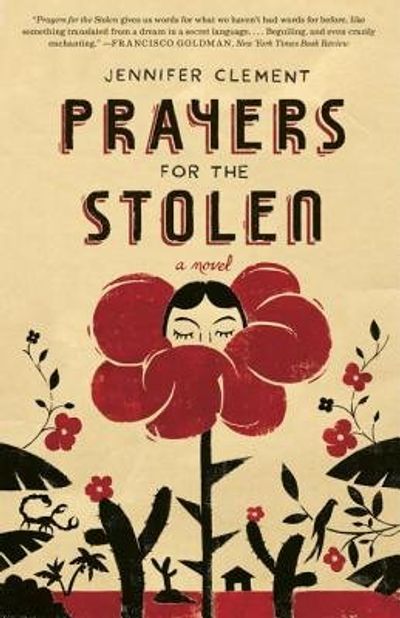
Girls raised to disappear before the cartel finds them.
✦ READ – REFLECT → RESIST
The Daughters of Juárez
Teresa Rodríguez
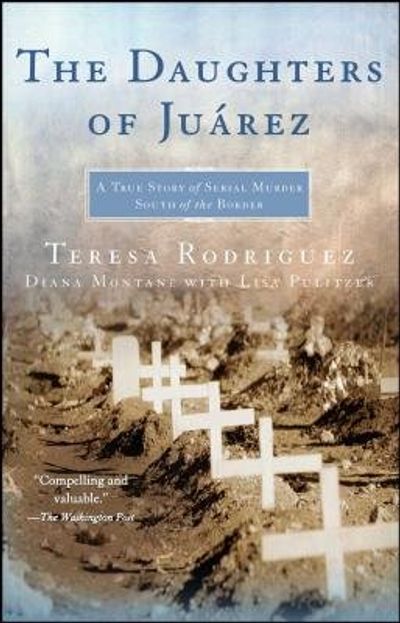
Mothers refusing to let their daughters be statistics.
✦ READ – REFLECT → RESIST
For the family bookshelf
Same idea, written for a younger reader. Good for reading together.