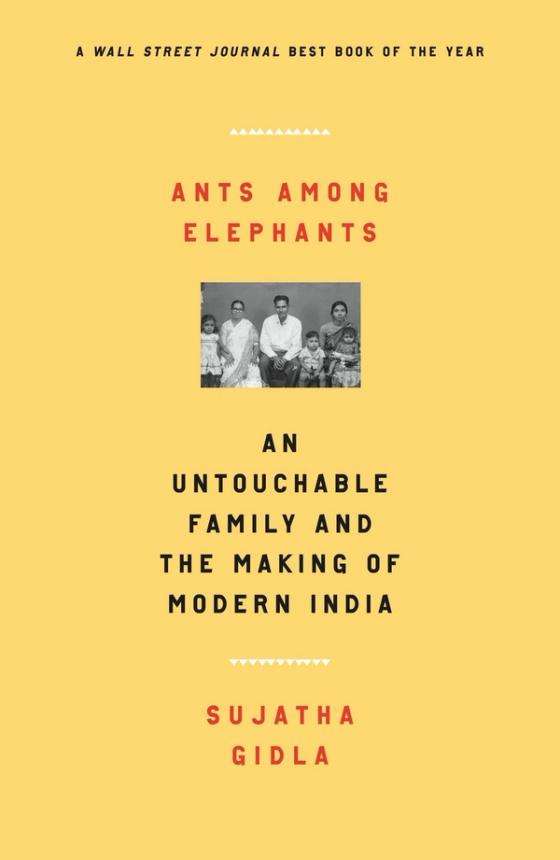
Ants Among Elephants
by Sujatha Gidla
An untouchable family. Christianity didn't help. Communism didn't either.
For you if
you want to understand caste as a lived daily experience rather than an ancient tradition that modern India has moved beyond
⚡ Choose Your Route ⚡
Not sold directly on this site. Support indie bookstores with a new copy, or go sustainable with a used one.
Buy New on Bookshop.orgSupports independent bookstores
— OR —
Find Used on Better World BooksSecondhand & sustainable
$24 MSRP
Reference price shown. Other editions may be available.
Gidla is an untouchable — a Dalit — from Andhra Pradesh whose family converted to Christianity generations ago and found that conversion changed nothing about how they were treated. This memoir moves between her uncle's life as a Naxalite communist revolutionary and her own experience growing up Dalit, moving to Delhi, eventually emigrating to New York where she became a subway conductor. The most recent and most readable Dalit memoir in English. A dispatch about caste as something that follows you across continents and that no amount of education, conversion, or emigration fully removes.
Where This Book Lives
- Setting
- India • South Asia
- Voice
- Written by a Indian author
- Themes
- immigrant experience
Related Viewing
Shares a topic, theme, or setting with this book in the catalog.

Origin(2023)
dir. Ava DuVernay
Racism is the symptom. Caste is the disease.
While grappling with personal loss, Pulitzer-winning writer Isabel Wilkerson traces a hidden architecture connecting racial hierarchy in America, the caste system in India, and the machinery of Nazi Germany. Adapted from Wilkerson's book Caste: The Origins of Our Discontents.
Why it’s here: Punk in daring to name America's racial order as a caste system, kin to India's and Nazi Germany's, rather than a uniquely American aberration. Pedagogical in dramatizing how a writer's own grief becomes the engine of rigorous, world-spanning research.

The White Tiger(2021)
dir. Ramin Bahrani
The rooster coop only holds you if you believe in it.
A poor village driver in modern India schemes and claws his way out of servitude to a wealthy family, narrating his own rise with a wit that never quite lets you cheer for him cleanly. Adapted from Aravind Adiga's Booker Prize-winning novel.
Why it’s here: Punk in refusing to make its narrator's rise redemptive — Balram escapes servitude through the same corruption that trapped him, and the film doesn't pretend that's a clean victory. Pedagogical in naming the psychological mechanisms — the "rooster coop" — that keep servants complicit in their own subjugation.
Same event, different angle
The same history — told by someone who saw it differently.
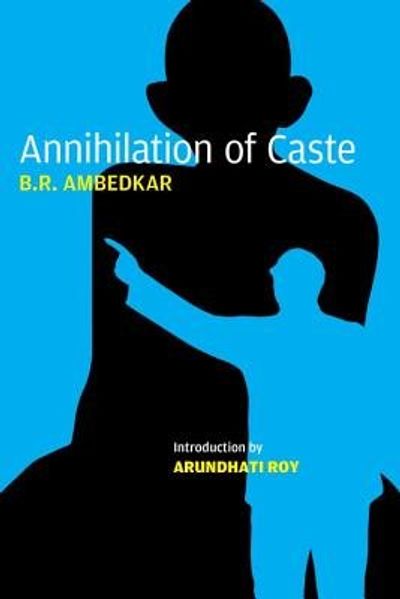
Same pattern, different era
Different time, different place. The same thing keeps happening.
The People of Paper
Salvador Plascencia
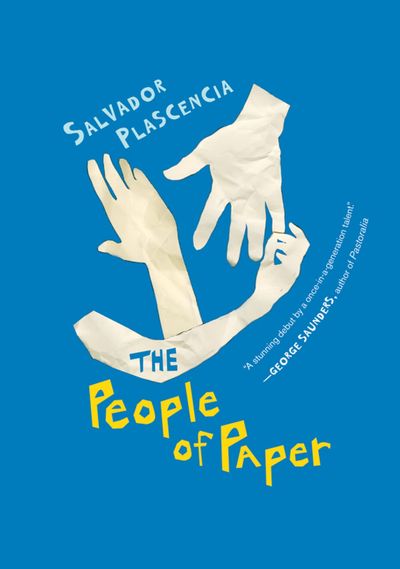
Characters who know they're in a novel. They revolt.
✦ READ – REFLECT → RESIST
Funny in Farsi
Firoozeh Dumas
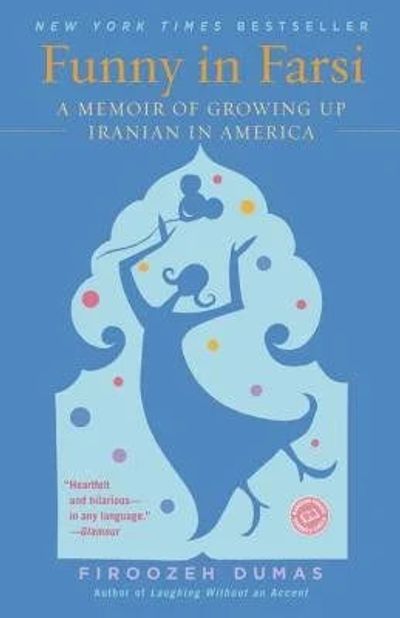
An Iranian family in California. Dad is an eternal optimist.
✦ READ – REFLECT → RESIST
The Woman Warrior
Maxine Hong Kingston

Chinese myths. California childhood. The silences in between.
✦ READ – REFLECT → RESIST
Teacher Man
Frank McCourt
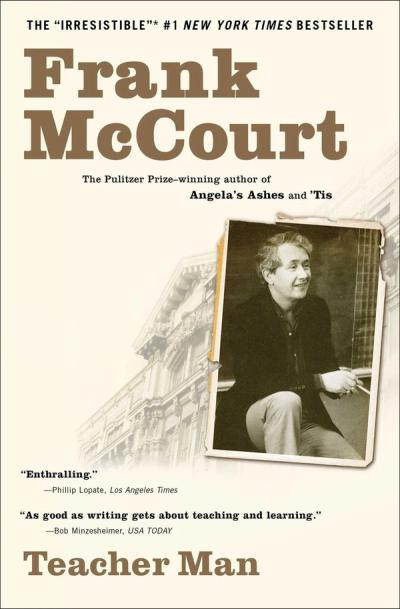
Thirty years teaching New York kids. He survived by storytelling.
✦ READ – REFLECT → RESIST
Flip the lens
Same country. Now hear it from the other side.
Sold
Patricia McCormick
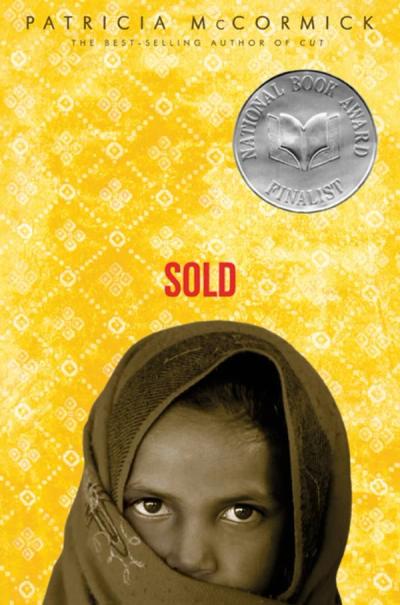
How trafficking actually works. In verse.
✦ READ – REFLECT → RESIST
Behind the Beautiful Forevers
Katherine Boo
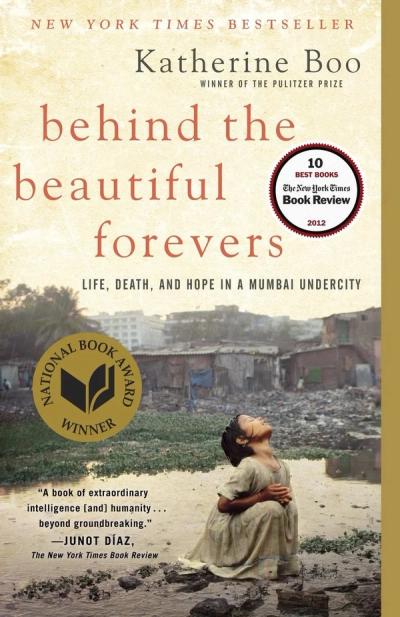
A Mumbai slum in the shadow of luxury hotels. Three years inside.
✦ READ – REFLECT → RESIST
Caste
Isabel Wilkerson
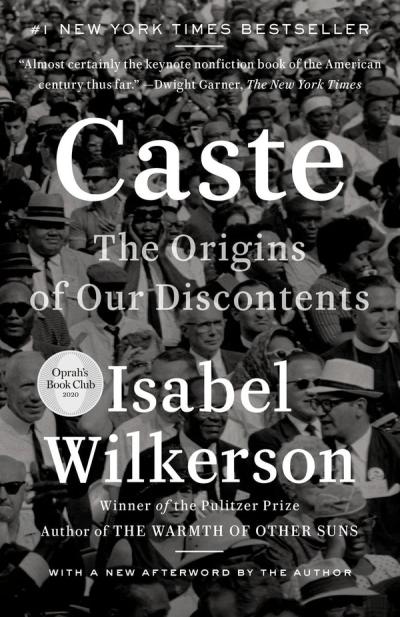
India, America, Nazi Germany. Three caste systems. One logic.
✦ READ – REFLECT → RESIST
For the family bookshelf
Same idea, written for a younger reader. Good for reading together.